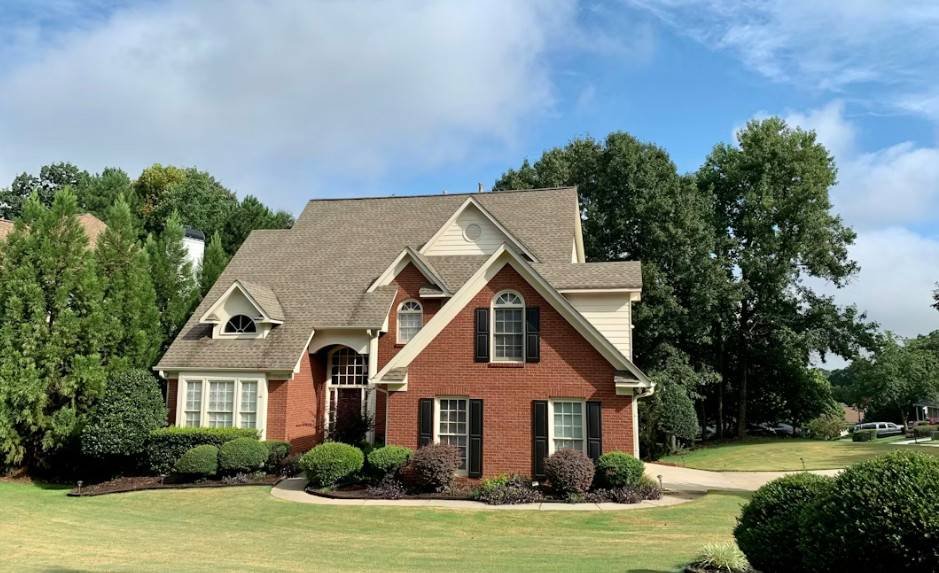
Oregon’s climate presents persistent challenges for homeowners who want their properties to remain durable and well protected. With frequent rainfall, seasonal storms, high humidity, and occasional snow in certain regions, homes across the state must withstand a wide range of weather conditions. These environmental pressures can affect siding, roofing, windows, outdoor structures, and foundational elements. Strengthening a home’s exterior begins with understanding how moisture, temperature changes, and prolonged exposure influence long term performance. With thoughtful planning and climate responsive materials, homeowners can build exteriors that remain resilient despite demanding conditions.
Choosing Siding That Performs in a Wet Climate
Siding is a home’s first layer of defense, and in Oregon’s damp environment, the right choice can significantly extend the life of the structure. Fiber cement siding is highly valued for its resistance to moisture, mold, and warping. It maintains stability through constant rain and temperature shifts, making it a reliable choice for the western regions of the state. Engineered wood siding offers the appearance of traditional wood while providing stronger protection against decay and pests. Many homeowners rely on professionals who offer Oregon home exterior services to help determine which siding material best suits their microclimate, whether they reside near the coast, in the valley, or in the drier central regions. Proper installation is essential, as even the most durable materials rely on correct fastening, sealing, and moisture barrier integration to perform effectively.
Reinforcing Roofing to Withstand Oregon’s Weather Patterns
Roofing must endure heavy rainfall, potential snow accumulation, and seasonal winds. Architectural asphalt shingles remain a widely used option due to their improved thickness, durability, and water resistance. Modern synthetic underlayment materials provide additional moisture protection, reducing the likelihood of leaks during storm seasons. Metal roofing has gained popularity for its long lifespan, ability to shed precipitation efficiently, and strong performance in high wind areas. Homeowners who prioritize sustainability sometimes choose recycled composite shingles, which offer enhanced weather resistance. Regular roof inspections allow homeowners to identify early signs of deterioration, such as worn shingles, cracked flashing, or gutter blockages, before they evolve into more expensive problems.
Strengthening Windows and Doors for Energy Control
Windows and doors play an essential role in regulating indoor comfort while protecting the home from rain and drafts. Double pane vinyl windows are common in Oregon because they resist condensation and offer strong insulation. Fiberglass windows and doors provide higher durability and maintain their structural integrity through seasonal temperature changes. Homeowners should regularly check caulking and weatherstripping to ensure seals remain intact and capable of keeping moisture out. Replacing worn or damaged seals can make a significant difference in preventing drafts and reducing the workload on heating systems during colder months. Upgrading to insulated glass packages also helps maintain stable indoor temperatures and reduces energy costs.
Improving Outdoor Structures and Surfaces
Outdoor features such as decks, porches, stairs, and railings require materials that perform well in consistently damp conditions. Wood decks remain attractive but require frequent sealing to prevent rot and fading. Composite decking offers a durable alternative that resists moisture, warping, and color loss. PVC decking provides even stronger water resistance, making it ideal for shaded or coastal environments where surfaces stay damp for long periods. Railings made from aluminum or powder coated steel maintain their appearance with minimal maintenance and hold up well in wet or windy areas. Covered outdoor spaces, such as pergolas or patio roofs, help reduce the exposure of building materials to rain and extend their lifespan.
Enhancing Drainage and Moisture Management
Oregon homes benefit greatly from proper drainage systems designed to move water away from the foundation and reduce long term moisture exposure. Gutters must be kept clear to prevent overflow, which can damage siding and landscaping. Downspouts should direct water several feet away from the home to prevent pooling and erosion. In areas where water consistently collects, homeowners can install French drains, surface channels, or sump pumps to maintain proper groundwater control. Sealing foundation walls, applying waterproof coatings, and ensuring adequate ventilation in crawl spaces can significantly reduce moisture intrusion. Strong drainage strategies help preserve structural integrity and prevent issues such as mold, wood rot, and soil shifting.
Conclusion
Strengthening a home’s exterior against Oregon’s harsh weather requires careful selection of siding, roofing, windows, decking, and drainage systems built specifically to handle moisture and temperature fluctuations. When homeowners choose durable materials and invest in proper installation and maintenance, their homes can endure seasonal challenges more effectively. With consistent care and weather conscious planning, Oregon homes can remain secure, efficient, and resilient year after year.