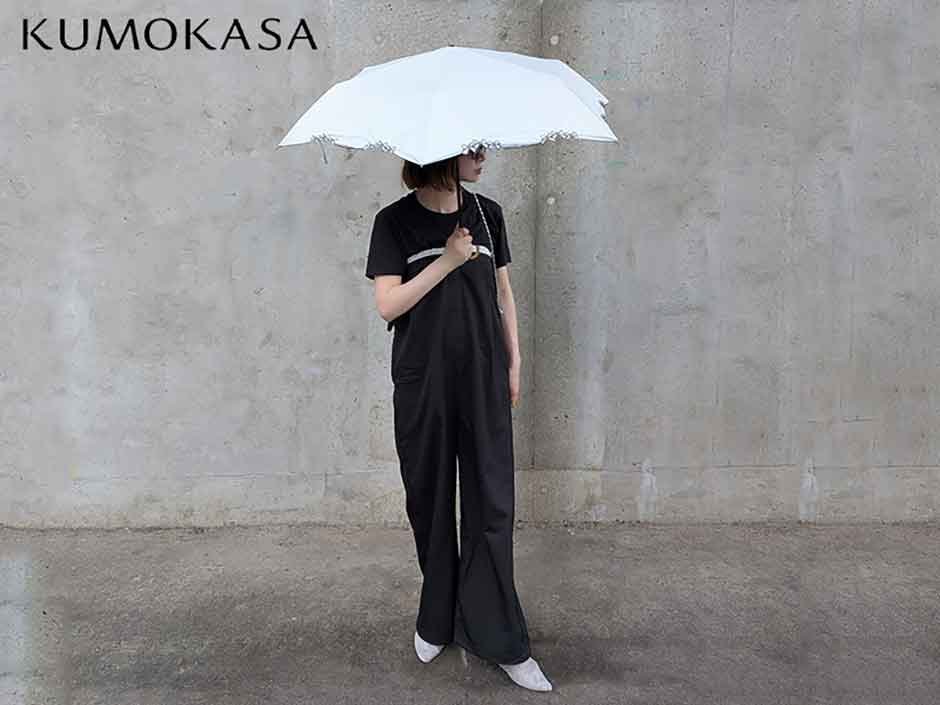
In Japan, the change of seasons is more than just a shift in weather—it’s a shift in lifestyle, wardrobe, and daily habits. As the cherry blossoms fade and humid summer days arrive, wardrobes evolve to match the climate’s demands. Linen fabrics replace heavier knits, breathable layers take over, and accessories once stored away re-emerge. Among these, one stands out not only for its elegance but also for its practical importance: the parasol.
Known in Japanese as higasa, the parasol is not simply a nostalgic nod to tradition—it’s a contemporary, fashionable, and functional summer companion. While parasols may be considered vintage or even unnecessary in other parts of the world, in Japan they have remained relevant and respected, especially among those who care deeply about skincare, UV protection, and refined seasonal style.
In this article, we’ll explore why parasols are not only a practical solution to Japan’s summer climate but also a must-have fashion item that is shaping seasonal trends in 2025.
The Cultural Significance of Parasols in Japan
Parasols are deeply rooted in Japan’s cultural and aesthetic history. Used by aristocrats, geishas, and performers for centuries, they have long symbolized grace, femininity, and attention to seasonal detail. The Japanese sensitivity to the changing seasons is embedded in everything from cuisine to fashion, and parasols fit naturally within this rhythm.
Today, they remain widely accepted and respected, particularly during Japan’s long, humid summer months. It is not uncommon to see a mix of young professionals, elderly women, and fashionable students walking the streets of Tokyo or Kyoto under the shade of beautifully designed parasols. Rather than being seen as outdated, they are viewed as a thoughtful, seasonal item—practical yet elegant, humble yet expressive.
Why Parasols Matter More Than Ever in Modern Japanese Life
In recent years, the 日傘 has seen a resurgence, not as a relic of the past but as a smart, stylish answer to modern environmental concerns and beauty habits. Japan’s summers have become increasingly intense, with higher UV indexes and frequent heatwaves, especially in densely populated urban areas. This has fueled a renewed interest in sun protection—not just through skincare products, but through lifestyle choices.
Japanese consumers are known for their dedication to skincare and sun avoidance. In a society where smooth, even-toned skin is often seen as a sign of health and youth, the parasol has become an everyday necessity. It provides physical sun protection in a way that complements sunscreen, which needs to be reapplied and can lose effectiveness throughout the day. Unlike lotions or sprays, a parasol creates instant shade, cooling the body and reducing the need for frequent skincare touch-ups.
Additionally, Japan’s aging population—many of whom have spent years caring for their skin—continues to influence market trends. Many older consumers swear by the parasol, and younger generations are following suit, particularly as beauty culture emphasizes prevention over correction.
The Intersection of Style and Function
What makes the parasol particularly appealing this season is how well it fits with current fashion aesthetics in Japan. From soft pastel streetwear to minimalist monochrome office outfits, today’s parasols come in designs that blend seamlessly into any wardrobe. This is not merely about utility; it’s about styling with intent.
Modern parasols are available in a range of finishes: lace-trimmed edges for romantic summer dates, UV-cut coated black interiors for maximum protection, compact foldable versions for commuters, and dual-use 晴雨兼用傘 for unpredictable weather. Whether one is headed to work in Marunouchi, shopping in Shibuya, or taking a walk in a Kyoto garden, there is a parasol to match both the outfit and the mood.
The practicality of parasols is further supported by the fact that they are often considered polite in crowded public spaces—providing shade without the scent or spread of sprays or creams that may bother others. In this way, parasols also reflect a strong sense of social harmony (wa), which is central to Japanese cultural values.
Everyday Scenarios: How Japanese People Use Parasols
Parasols are an everyday sight in Japan, especially from May to September. During the early summer, as UV levels rise even before the full heat hits, parasols become part of the daily routine for many.
Morning commutes are a prime example. Office workers dressed in formal wear often rely on parasols to protect themselves from both the sun’s harsh rays and the early humidity. Even short walks from the station to the office can be enough to trigger sweating, skin irritation, and fatigue without adequate protection.
On weekends, leisure walks or cafe visits see an uptick in parasol use, particularly among young women who dress with care and coordination. A parasol becomes part of the outfit, completing the look while serving a clear purpose.
During outdoor festivals and seasonal events, such as summer fireworks (hanabi) or traditional yukata outings, parasols play an aesthetic and functional role. Coordinated with light cotton kimonos, parasols contribute to a nostalgic, picturesque silhouette that feels perfectly in tune with summer in Japan.
Finally, domestic travel during the Obon season or summer holidays often includes visits to temples, coastal towns, and rural regions—places where shelter from the sun may be scarce. A lightweight, foldable parasol becomes a travel essential, offering quick shade wherever one goes.
Men and Parasols: Breaking the Stereotype
While parasols have long been associated with femininity, more Japanese men are now adopting them as part of their summer gear. With growing awareness about heatstroke, sun damage, and personal wellness, practical-minded men are choosing functionality over gender norms. In response, parasol manufacturers have started producing sleek, unisex, or masculine designs, featuring dark colors, minimal branding, and straight, simple frames.
This shift reflects a broader cultural move toward gender-neutral fashion in Japan, especially among younger generations. For men who spend long hours outdoors—whether for work, sport, or leisure—the parasol is no longer a novelty but a smart, respectable choice.
What to Look for in a Parasol This Season
Choosing the right parasol in Japan is as much about lifestyle fit as it is about aesthetics. Here are key considerations for 2025:
UV Protection: Always look for labels that indicate high UV cut rates (95–100%). Most Japanese brands clearly indicate this on tags or packaging.
Size and Coverage: A larger canopy offers better shade, especially for those who walk long distances or have sun-sensitive skin.
Portability: Foldable models are ideal for commuters or travelers, while sturdier fixed-handle models may be better for regular use.
Design and Materials: Choose fabric, color, and trim to match your fashion personality—subtle neutrals for work, fun prints for casual days.
Rain and Shine Features: Many parasols are now made to withstand both sun and rain, which is perfect for Japan’s unpredictable weather patterns during the rainy season.
A Reflection of Japanese Seasonal Grace
Ultimately, the parasol is not just an accessory—it is a reflection of how Japanese culture seamlessly blends beauty, function, and seasonality. It shows respect for the self and others, a quiet awareness of nature’s power, and an appreciation for thoughtful living. In Japan, staying protected from the sun is not only practical but also a mark of elegance, preparedness, and self-respect.
This summer, whether you’re navigating busy streets in Tokyo, exploring seaside towns in Shikoku, or simply enjoying an iced coffee on a shaded bench, the parasol will prove itself once again to be more than just a trend. It is a trusted companion, a style statement, and a cultural icon—reinvented, refined, and completely relevant.
So before you step out into the sunshine, don’t forget your parasol. It might just be the most beautiful decision you make all season.