Emergencies can happen anytime-storms, accidents, power outages, or health crises. Communities that are ready can handle these situations better. When people know important life skills, they not only help themselves but also help their neighbors.
Learning these skills can make your community stronger, safer, and more confident during emergencies. Read on.
Learn Basic First Aid
Knowing first aid can save lives. You should learn how to treat cuts, burns, and minor injuries. It is important to know how to perform CPR and help someone who is choking.
You should also know how to stop bleeding and stabilize injuries until help arrives. Attending community first aid classes is very helpful. Practicing first aid often helps you remember what to do.
The more people trained, the safer your neighborhood becomes. Check out https://cprcertificationnow.com/pages/group-discounts for more information.
Communicate Clearly
Good communication is key in emergencies. You need to stay calm and speak clearly. Sharing accurate information with others helps everyone understand what is happening.
It is useful to make a communication plan that includes phone trees, meeting points, or radios. During emergencies, confusion spreads quickly, so clear communication keeps everyone informed and organized.
Manage Resources and Survival Skills
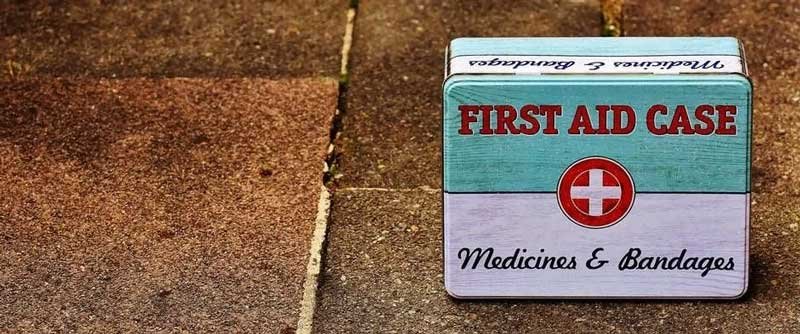
Being prepared means having essentials ready. You should store clean water and non-perishable food. Creating an emergency kit with first aid supplies, flashlights, batteries, and blankets is important.
You should also know how to purify water and cook safely without electricity. Learning simple ways to stay warm or cool depending on the weather can help everyone stay safe.
Practicing with your emergency kit ensures you know where everything is. Small things, like knowing how to open a water container or start a flashlight, can save valuable time during an emergency.
Solve Problems and Adapt
Emergencies do not always go as planned. You should learn simple repairs and basic tool use. Thinking of creative solutions when resources are limited helps you handle unexpected problems.
Working together with neighbors to solve bigger issues is very effective. Being flexible makes your community stronger. Even small ideas, like using a tarp for shelter or creating shade with cloth, can help everyone stay safe.
Support Your Neighbors
Preparedness is not just about you. You should check on elderly neighbors or people with disabilities. Knowing who might need extra help during a crisis is very important.
Building relationships before an emergency happens helps communities respond faster. Communities that care for each other recover faster. Helping even one person can make a big difference.
Practice with Drills
Training helps turn knowledge into action. You should join community drills or simulation exercises. Practicing evacuation routes or emergency procedures helps you be ready.
Learning from mistakes and improving your plan makes your community stronger. Regular practice helps everyone respond confidently in real emergencies. Even small drills, like a fire escape drill at home, can save lives.
Stronger Together
Mastering life skills creates a safer community. You should learn first aid, communication, survival skills, and problem-solving. Helping neighbors and working together during crises makes everyone safer.
Practicing drills and staying prepared builds trust, unity, and resilience. When a community is ready, everyone can face emergencies with confidence.
If you want to read more articles, visit our blog.