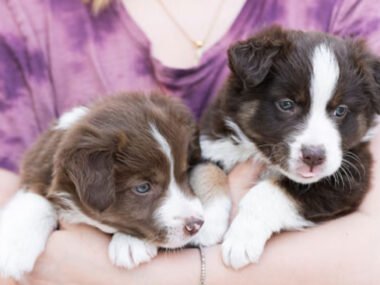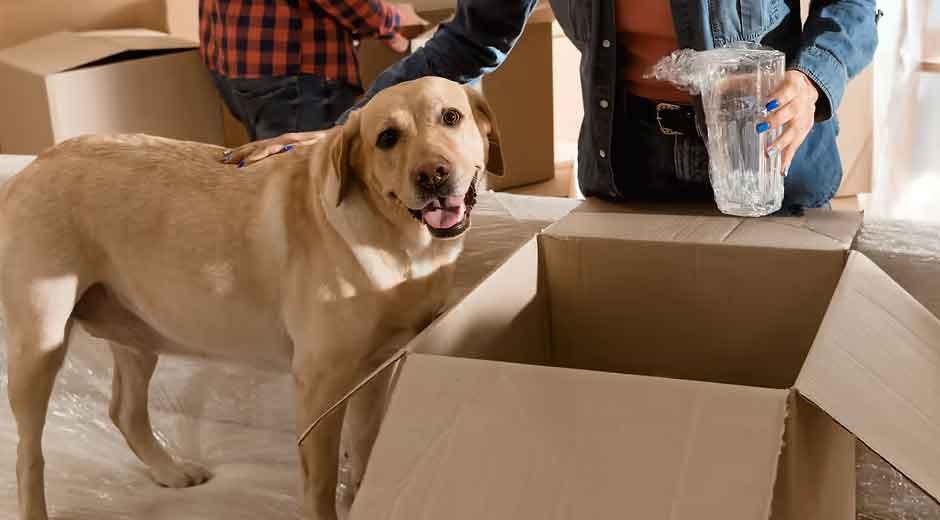
Bringing a dog into a new home is a moment filled with joy, anticipation, and hope, but it can also be overwhelming for the animal. Dogs often feel disoriented when their environment changes, as they lose familiar smells, sights, and routines that previously gave them comfort. This adjustment period can lead to stress-related behaviors such as pacing, barking, or accidents indoors. Training plays a crucial role in helping dogs adapt by providing them with structure, guidance, and reassurance. It provides a way for owners to establish routines, build trust, and create an environment where the dog feels secure and at ease. When handled thoughtfully, training not only shortens the adjustment phase but also lays the groundwork for a healthier bond between pet and owner. By incorporating patience and consistency, families can transform a challenging transition into a rewarding journey of growth and connection.
Creating Structure and Familiarity
One of the most effective ways training helps dogs settle into new surroundings is by providing structure. Dogs thrive on consistency, and when they move into an unfamiliar home, the absence of familiar patterns can cause anxiety. Training reintroduces that stability by teaching the dog what to expect and where boundaries lie. For instance, establishing set times for meals, walks, and rest allows the dog to adapt to a predictable schedule. Commands such as “sit,” “stay,” or “come” reinforce trust between the owner and the pet, helping the animal recognize that guidance is available even in this unfamiliar space. Training also encourages calm behavior, which eases the stress of adjusting to new sights and sounds within the home. Over time, these consistent cues help transform an overwhelming environment into one that feels safe and familiar, reducing uncertainty and building the dog’s confidence in its new setting.
Reducing Anxiety Through Positive Reinforcement
Another way training supports adjustment is by reducing anxiety and replacing stress with reassurance. Positive reinforcement techniques—such as praising good behavior, offering treats, or giving affection—help dogs associate their new environment with comfort rather than fear. When training is used to redirect unwanted behaviors, such as excessive chewing or barking, dogs learn appropriate responses and begin to feel calmer in their surroundings. This approach prevents negative habits from forming while building trust and cooperation. Families often find that engaging in training sessions strengthens their bond with their pet, as the dog looks to them for direction and security. For those seeking additional support, services like dog training in Spanish Fork, UT, can provide valuable guidance in creating effective routines tailored to individual pets. With training rooted in encouragement and consistency, dogs transition into new homes more smoothly and with far less anxiety, making the adjustment period more positive for both the pet and the family.
Building Confidence and Social Skills
Beyond managing stress, training also builds confidence and social skills that are essential for a dog’s long-term well-being. New homes often come with new people, other pets, and different environments that can feel intimidating at first. Training offers controlled opportunities for dogs to gradually adjust to these changes. Learning to follow commands in different settings teaches adaptability, while controlled exposure to new people and pets encourages healthier social interactions. Confidence grows as the dog masters these small steps, turning fearful reactions into positive experiences. This not only improves life inside the home but also strengthens the dog’s ability to handle outdoor situations, such as visits to the park or walks in busy neighborhoods. The combination of consistency, reassurance, and structured guidance helps the dog become more secure in its place within the family, ensuring the new home feels like a safe and welcoming environment.
Training is an essential part of helping dogs adjust when moving into a new home. By creating structure, easing anxiety, and building confidence, it transforms an overwhelming transition into a manageable and even rewarding process. Dogs rely on guidance to understand what is expected of them, and consistent training provides the clarity they need to feel safe. Families who invest time and patience into this process often find that their bond with their pet strengthens, setting the stage for years of companionship built on trust. With thoughtful training, the transition into a new home becomes not only smoother but also the beginning of a stronger, more balanced relationship between the dog and its owner.