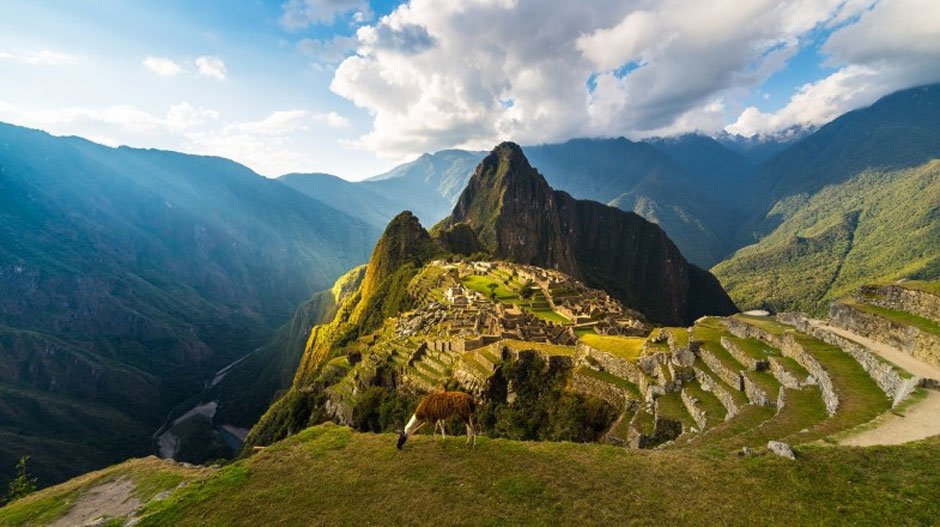
Peru’s got this incredible mix of ancient ruins, stunning landscapes, and vibrant culture that draws millions of visitors every year.
But here’s what stops a lot of people – they think it’s going to cost them a fortune.
The truth is, you can experience Peru whether you’ve got $50 a day or $200+ to spend.
It just comes down to knowing where to put your money and where you can save without missing out on the good stuff.
Figuring Out Your Peru Travel Budget
Your daily budget in Peru really depends on your travel style and what matters most to you. Budget travelers can get by on $30-50 per day if they’re staying in hostels, eating local food, and using public transport.
Mid-range travelers usually spend around $80-120 daily, while luxury travelers might spend $200+ without blinking.
Food’s actually pretty affordable across the board. A meal at a local restaurant might cost $3-8, while tourist restaurants charge $15-25.
Accommodation varies wildly though – hostel beds go for $8-15, decent hotels run $40-80, and luxury places can hit $300+ per night.
Transport costs add up fast if you’re not careful. Domestic flights between major cities cost $80-200, but buses are way cheaper at $10-30 for long routes.
The thing is, some bus rides take 10-12 hours, so sometimes that flight makes sense.
When to Visit for the Best Deals
The dry season from May to September is when everyone wants to visit, especially for Machu Picchu. Prices are highest then, but the weather’s reliable.
If you can handle some rain and don’t mind bringing a good jacket, shoulder seasons (April and October) offer better deals with decent weather.
Wet season (November to March) gets you the cheapest prices, but it’s risky for hiking. Some trails close completely, and mountain weather gets unpredictable.
That said, the coast and jungle regions are still accessible, and you’ll have popular spots more to yourself.
For the best balance of weather and cost, late April or early May works well. You miss the peak season crowds but still get mostly dry days. October can be good too, though weather becomes less predictable.
Smart Ways to Book Flights and Hotels
International flights to Lima vary hugely depending on when you book and travel. Generally, booking 2-3 months ahead gets decent prices. Tuesday and Wednesday departures often cost less than weekend flights.
For hotels, booking platforms like Booking.com or Agoda work fine, but sometimes calling directly gets you better rates, especially at smaller places. Many Peruvian hotels offer discounts for cash payments too.
Hostels are everywhere in tourist areas. Dorms range from basic to pretty nice, and many include breakfast. Private rooms in hostels often beat budget hotel prices while giving you access to common areas where you can meet other travelers.
If you’re looking for guided experiences without the premium price tag, affordable Peru tours can actually save money compared to booking everything separately, especially for multi-day trips to places like Machu Picchu where logistics get complicated.
Must-Do Experiences That Fit Your Wallet
Machu Picchu’s the big ticket item – literally. Entrance fees are around $45, but getting there costs more. The train from Cusco runs $65-400+ depending on service level.
Budget option is taking a bus to Hidroeléctrica and walking the tracks (about 3 hours), which cuts transport costs significantly.
| Experience | Budget Option | Mid-Range | Luxury |
| Machu Picchu | Bus + walk ($25) | Basic train ($65) | Hiram Bingham ($400+) |
| Cusco stay | Hostel ($12/night) | 3-star hotel ($45) | Luxury hotel ($200+) |
| Sacred Valley tour | Local bus ($8) | Day tour ($35) | Private guide ($150) |
Free walking tours in cities like Lima and Cusco give great overviews. You just tip what you think it’s worth. Many museums have free or discounted days too.
The Amazon’s another major experience. Budget jungle tours from Iquitos or Puerto Maldonado start around $80 per day, while luxury lodges charge $300+ daily.
Both show you wildlife and indigenous culture, just with different comfort levels.
Making Every Dollar Count in Peru
Eating where locals eat saves tons of money and usually tastes better. Look for “menu del día” (daily menu) at lunch – it’s typically $3-5 for soup, main dish, drink, and sometimes dessert. Street food’s generally safe in busy areas, and incredibly cheap.
Bargaining works in markets and with taxi drivers, but don’t go overboard. Offering 70-80% of the asking price is usually fair. For taxis, always agree on price before getting in, or use apps like Uber in larger cities.
ATMs charge fees, so withdraw larger amounts less frequently. Many places accept cards, but cash gets better prices. US dollars work for big purchases, but you’ll need soles for daily expenses.
Learning basic Spanish phrases helps with prices and experiences. Locals appreciate the effort and often share recommendations you won’t find in guidebooks.