Most of us assume our tap water is safe, but rising concerns about aging pipes, contamination scares, and stressed plumbing systems are changing that view. Across the country, water safety is getting more attention as hidden risks come to light.
In this blog, we will share practical ways to protect your home’s water supply year-round, so you can drink, clean, and live without second-guessing what’s coming through your pipes.
When water safety isn’t as automatic as it seems
A clean glass of water should never be a gamble. But in real life, plumbing systems aren’t perfect. Water lines age. Pipes break. Valves fail. And sometimes, things flow in the wrong direction. That’s when safety risks begin to rise.
Backflow is one of the biggest concerns, and most people have no idea what it actually means. It happens when the normal flow of water reverses and potentially pulls dirty water into your clean supply. Sounds rare, but it isn’t. Events like a water main break or someone opening a nearby fire hydrant can cause pressure changes that make backflow more likely.
For homes with certain features—like irrigation systems, swimming pools, or even well water—this risk goes up. That’s why local water authorities may require testing. You might not expect it, but receiving a notice in the mail is more common than you’d think. But exactly what is a backflow testing notification? It’s an official heads-up that it’s time to have your backflow prevention device inspected. These devices are built to stop contaminated water from reversing into your system. When they fail, your home—and even your neighborhood—can be exposed to unsafe water.
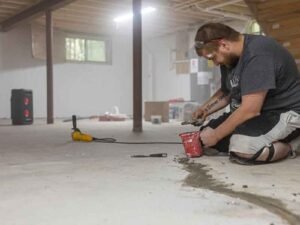
The good news is that backflow testing is straightforward. A licensed plumber will shut off the water to the device, check it with pressure tools, and make sure everything is working properly. If it’s not, repairs or replacements are done quickly to fix the issue. It’s one of those preventive steps that’s easy to put off but worth every minute.
Common sources of trouble in your home system
There are several other ways your water can become compromised. And many of them start inside your house.
Let’s start with old pipes. Homes built before the 1980s might still have lead or galvanized plumbing. Over time, these materials can corrode and release harmful substances into the water. If your home fits that description, a plumbing inspection is smart—especially if you have kids or are expecting.
Another sneaky issue is water heaters. When these sit for too long without use or routine flushing, they can build up sediment or even bacteria like Legionella. Make sure to flush your water heater at least once a year. It’s a simple task that can prevent major problems.
Cross-connections are also a common threat. That’s when a garden hose or an appliance, like a dishwasher or water softener, has a connection to both clean and dirty water. If something goes wrong and backflow occurs, those devices could allow contaminants into your water line.
Simple tip: always use a hose bib vacuum breaker when watering your yard or filling a pool. It stops water from being siphoned back into your plumbing. They’re cheap, easy to install, and available at any hardware store.
Seasonal habits that help keep water clean
Each season brings its own plumbing challenges. Winter means frozen pipes. Spring brings heavy irrigation. Summer ramps up outdoor water use. Fall? That’s when people forget to prep.
In cold weather, unprotected pipes can freeze and burst once they thaw. That’s not just messy—it can also disrupt water flow and damage key parts of your system. To avoid this, insulate exposed pipes and disconnect garden hoses before temperatures drop.
Spring and summer are all about sprinklers and outdoor maintenance. Make sure your irrigation setup is secure and functioning properly. These systems can impact water quality if they’re not installed or maintained correctly.
Before winter arrives again, flush outdoor lines, drain hoses, and store tools. It’s much easier to fix small issues during mild weather than to deal with them during a snowstorm. Staying ahead of seasonal shifts keeps your water running safely and smoothly all year.
Smart upgrades that go a long way
Technology can help too. If you want to take your water safety up a notch, consider smart leak detectors. These small devices can alert you via phone if moisture is detected under sinks, near water heaters, or around toilets. Some models even shut off water automatically if a leak is detected.
Water filtration is another useful upgrade. Whole-house systems can remove chlorine, sediments, and even lead. Just be sure to have it installed by a professional. Filters work best when they’re matched to your local water quality.
One overlooked but powerful move? Scheduling annual plumbing check-ups. Just like you’d see a doctor for a physical, your home’s systems benefit from routine assessments. A plumber can catch small issues before they become costly, and make sure your home meets all local water safety requirements.
How regulation shapes your responsibility
Public water systems are heavily regulated, but once the water enters your property, it’s largely your responsibility. That’s a reality many homeowners don’t realize until something goes wrong.
With growing awareness of water safety issues, more cities are increasing their enforcement of backflow testing and cross-connection controls. If you’ve never had a plumbing inspection or received a test notice, that doesn’t mean you won’t. It’s part of a broader effort to protect public health.
And that’s the bigger picture. Water isn’t just a private resource. What happens in your home can affect your neighbors too. A failed prevention device or an unnoticed leak can compromise more than just your kitchen faucet.
When you stay proactive, you’re not just protecting your household. You’re helping safeguard the wider community. And that’s worth doing, whether you live in a tiny bungalow or a sprawling suburban home.
A clear path to cleaner water
Keeping your home’s water safe doesn’t have to be overwhelming. It’s about building habits, making smart upgrades, and staying ahead of potential risks. While backflow testing might sound technical, it’s just one piece of a bigger strategy—keeping your water clean, your plumbing reliable, and your home healthy.
So next time you fill a glass or run a bath, remember what’s behind that stream of water. A little attention now can keep things flowing smoothly all year long.