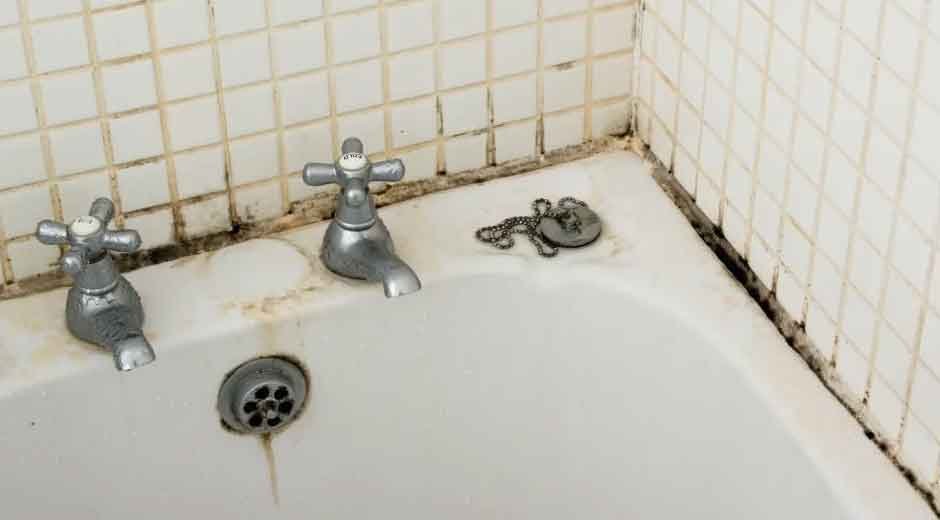
Mold growth in homes is often a hidden problem that can have serious consequences for both the structure of the building and the health of its occupants. While mold can develop from various sources of moisture, plumbing issues are among the most common causes. Leaky pipes, clogged drains, and faulty water heaters can create conditions where mold thrives, often going unnoticed until significant damage occurs. We will explore how to recognize the early signs of mold related to plumbing issues and the steps homeowners can take to prevent its spread. Understanding the connection between plumbing maintenance and mold prevention is essential for protecting your home and maintaining a safe living environment. Timely action can save both money and health-related complications.
Identifying and Preventing Mold Growth from Plumbing Problems
- Detecting Leaks Early
Leaking pipes are one of the primary culprits behind mold growth in residential and commercial spaces. Even small leaks behind walls or under sinks can create enough moisture for mold to develop. Signs of leaks include damp spots, discoloration on walls or ceilings, the smell of mildew, and unusually high water bills. Regularly inspecting plumbing connections, joints, and visible pipes is crucial, and a trusted Middlesex plumber can help identify issues that are not easily visible. Homeowners should also pay attention to areas around sinks, toilets, and water heaters, where leaks are common. If leaks are detected, addressing them immediately prevents excess moisture from accumulating. Using moisture meters or infrared cameras can help detect hidden leaks, especially in walls and floors, ensuring that mold has no opportunity to take hold.
- Maintaining Drainage Systems
Clogged or slow drains contribute to stagnant water, which provides an ideal environment for mold spores to flourish. Kitchen sinks, bathroom drains, and floor drains should be checked regularly for blockages or slow drainage. Using drain screens to catch debris and periodically flushing drains with hot water can reduce the buildup of organic matter that fuels mold growth. Professional drain cleaning services can remove deep blockages and ensure proper water flow. Additionally, monitoring areas around drains for leaks or dampness allows for early intervention. Proper drainage maintenance not only prevents mold but also reduces unpleasant odors and prolongs the life of plumbing systems.
- Water Heater Inspections
Water heaters are another potential source of hidden moisture. Leaks from tank water heaters, condensation, or faulty pressure relief valves can create damp areas where mold thrives. Regular inspections of the water heater, including the surrounding area for moisture accumulation, are essential. Draining the tank periodically helps remove sediment that can contribute to corrosion and leaks. Ensuring that the water heater is installed with adequate space for ventilation and proper drainage reduces the risk of water seeping into nearby walls or floors. Addressing minor issues early prevents larger leaks and the mold problems that can arise from them.
- Monitoring Humidity Levels
High indoor humidity amplifies the risk of mold growth, particularly when combined with plumbing issues. Bathrooms, kitchens, and basements are especially susceptible. Using a hygrometer to track humidity levels can help maintain them below 50%, the level recommended to discourage mold growth. Installing exhaust fans in bathrooms and kitchens, as well as using dehumidifiers in basements or damp areas, can significantly reduce moisture levels. In conjunction with regular plumbing maintenance, controlling humidity ensures that any small leaks or condensation do not create an environment conducive to mold proliferation.
- Sealing and Insulating Pipes
Exposed pipes, especially those in basements or attics, are prone to condensation, which can support mold growth if not addressed. Insulating pipes helps prevent condensation from forming, particularly in cold weather. Sealing gaps and joints in plumbing also reduces the chance of leaks that may go unnoticed for long periods. Proper insulation and sealing are relatively simple measures but are highly effective in preventing both moisture damage and mold development. These preventive steps are particularly important in areas where pipes run through unconditioned spaces or near walls that are difficult to access.
- Prompt Repairs and Professional Assistance
Even with careful monitoring and preventive measures, plumbing problems can occur. Quick response to leaks, pipe bursts, or water intrusion is essential to limit mold growth. If the source of moisture is hidden or extensive, professional plumbing services can identify and repair the issue efficiently. Technicians can also advise on additional measures to dry affected areas and prevent mold spores from spreading. Addressing plumbing issues promptly not only protects the structural integrity of your home but also prevents health hazards associated with prolonged mold exposure, such as respiratory problems and allergic reactions.
- Regular Home Inspections
Routine inspections of plumbing systems and water-affected areas are crucial for ongoing mold prevention. Checking under sinks, around toilets, and near water heaters, as well as looking for signs of water damage in ceilings, walls, and floors, allows for early detection of potential problems. In addition to visual inspections, homeowners should periodically test water pressure and monitor for unusual sounds that may indicate leaks. Preventive maintenance, combined with vigilance, significantly reduces the chances of mold developing from plumbing-related moisture issues.
Mold growth resulting from plumbing problems is a common but preventable issue that requires consistent attention and maintenance. By identifying leaks early, maintaining drains, inspecting water heaters, controlling humidity, insulating pipes, responding quickly to repairs, and performing regular inspections, homeowners can protect their property and health. Taking proactive steps ensures that mold does not compromise the living environment, saving time, money, and avoiding potential health risks. Proper plumbing care is not only about functionality but also about maintaining a safe and mold-free home.