Many people assume that only professionals can work with advanced tools or handle intricate designs, yet anyone with patience and curiosity can learn how to cut and engrave a wide range of materials at home. The rise of creative technology has made it easier than ever to experiment with surfaces once considered too tough or delicate to customize. Whether you are a hobbyist, a small business owner, or simply someone who loves hands-on projects, learning how to work with different materials opens up a world of possibilities. For many creators, the journey begins with exploring tools like a laser engraver, which offers precision and control that traditional tools cannot match.
What surprises most beginners is how versatile modern cutting and engraving methods have become. Wood and acrylic are familiar territory, but today’s tools can handle materials that once seemed untouchable. This shift has encouraged makers to try new mediums, push their creativity, and elevate their craft. As you move deeper into this world, you may find yourself researching deeper topics or comparing options, and during that process you may come across resources that help you understand the technology behind these tools.
Understanding Material Behavior
Before diving into specific materials, it helps to understand what happens during engraving and cutting. Most modern tools use heat, pressure, or friction to alter the surface. In the case of a laser engraver, controlled beams of heat burn, melt, or vaporize material with remarkable accuracy. The precision allows users to work with materials that would otherwise splinter, crack, or warp.
Each material responds differently to heat and pressure. Even small differences in density, moisture, or grain can change how the final result looks. Learning the behavior of each surface helps you adjust settings, experiment confidently, and achieve clean and durable results.
Wood: A Perennial Favorite With Endless Options
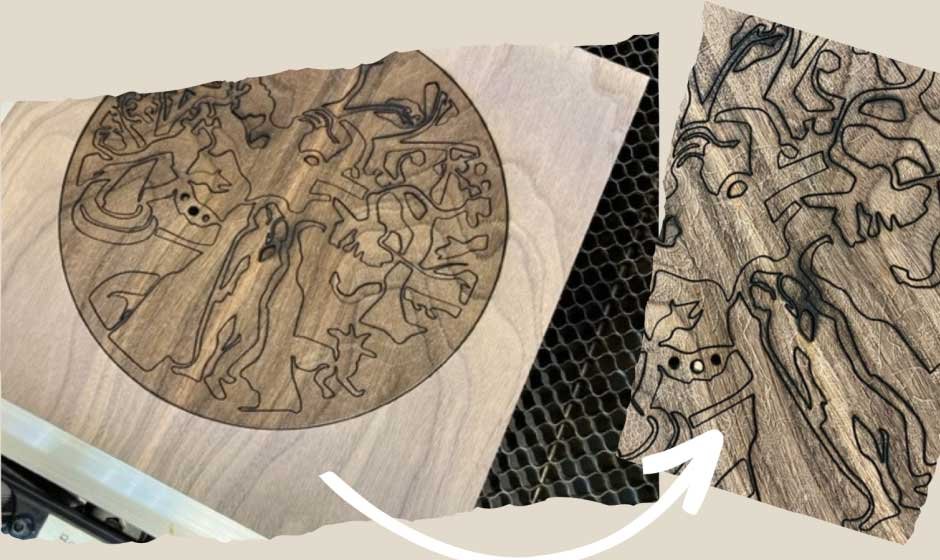
Wood remains one of the most popular materials because it’s forgiving and versatile. Softwoods engrave easily, while hardwoods offer sharp contrast and beautiful texture. You can engrave signs, keepsakes, and functional household items. Cutting wood allows for intricate shapes that would be difficult to replicate with hand tools.
What makes wood especially rewarding is its uniqueness. Every piece has its own grain, shade, and character. Learning how to adjust for those differences helps you create pieces that feel handcrafted and personal.
Acrylic: Clean Lines and High Precision
Acrylic is another material that surprises beginners. Although it feels sturdy and inflexible, it handles engraving with surprising grace. The surface melts cleanly under heat, producing crisp designs and polished edges. Its transparency and color options make it a strong choice for décor, awards, signage, and custom art.
Cutting acrylic often produces smooth edges that require no sanding. With careful temperature control, you can create pieces that look professionally finished.
Leather: Durable, Stylish, and Surprisingly Easy
Many people assume leather is too thick or soft to engrave, yet it is one of the most satisfying materials to customize. Heat presses designs into the surface without cutting all the way through, giving the leather a classic, textured look. This works well for bookmarks, coasters, and small accessories.
Different leathers react differently based on how they were treated. Natural leather darkens during engraving, producing strong contrast, while synthetic leather may require more careful testing to avoid melting.
Rubber and Silicone: Flexible but Engravable
Rubber and silicone may seem like impossible materials to customize due to their soft, stretchy nature, but they can be engraved for stamps, labels, and custom molds. Heat vaporizes the top layer, leaving behind a recessed design.
Because these materials can release fumes during engraving, proper ventilation and controlled settings are essential. Once mastered, they offer a range of creative and practical uses.
Fabric and Felt: Light but Customizable
Fabrics may seem too fragile for engraving or cutting, but specific techniques make them workable. Felt, cotton, denim, and some synthetics can be cut cleanly with the right adjustments. In many cases, the edges seal slightly under heat, preventing fraying.
Engraving on fabric creates a subtle, textured effect rather than a deep etch. This works well for custom patches, decorative textiles, and personalized gifts.
Stone and Glass: The “Impossible” Materials Made Possible
Stone and glass once seemed off-limits, yet they can now be engraved with accuracy. Instead of cutting, the engraving process marks the surface, creating frosted designs. This technique works well for tiles, drinkware, and decorative panels.
Since these materials are prone to cracking under sudden temperature changes, steady passes and proper handling are key. Many makers use stone and glass for gift-worthy projects because the results feel substantial and timeless.
Why Experimenting With New Materials Matters
Trying new materials is more than a technical challenge. It’s a way to grow your creativity and expand your capabilities. Working with unfamiliar surfaces:
- Encourages problem solving
• Teaches patience and technique
• Broadens your artistic style
• Helps you discover new mediums you enjoy
• Allows you to create items with more value and durability
Each new material becomes another tool in your creative toolbox.
Tips for Working With “Difficult” Materials
To make the process smoother, keep these tips in mind:
- Always test on a scrap piece first
• Start with lower power settings and increase gradually
• Keep materials flat and secure
• Understand melting or burning points
• Maintain proper ventilation
• Clean surfaces before and after engraving
A little preparation can quickly turn challenging materials into workable surfaces.
Embracing the Freedom to Create
The ability to engrave and cut materials once considered impossible is empowering. It expands not only what you can make but how you think about design. From hardwood to glass, from acrylic to leather, modern tools give you the freedom to experiment fearlessly. With patience, practice, and the right equipment, you can create pieces that feel meaningful, durable, and truly unique.