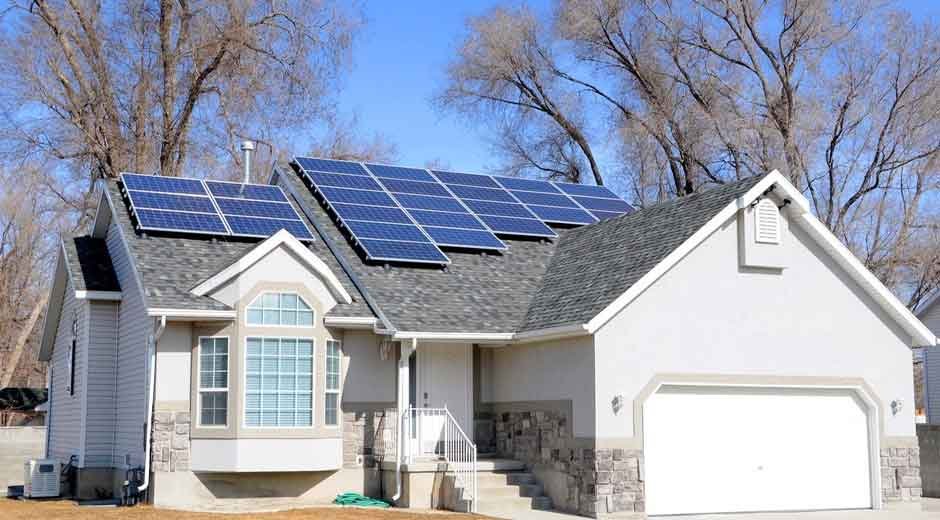
Transitioning to solar energy is a growing trend among homeowners who seek to lower their energy costs and adopt more sustainable practices. However, determining whether solar panels are a good fit for your home requires careful evaluation of multiple factors, from your property’s physical characteristics to your long-term energy goals. We will explore these considerations in depth, providing guidance on assessing the financial, environmental, and technical aspects that influence the suitability of solar energy. By understanding your home’s energy profile and the available solar solutions, you can make a more informed decision about investing in a renewable energy system. With careful planning, solar energy can offer both economic and environmental benefits, tailored to your unique living situation and energy consumption patterns.
Key Considerations for Choosing Solar Panels
- Evaluate Your Energy Usage
Understanding your home’s energy consumption is the first step in determining whether solar panels will provide meaningful savings. Review your utility bills over the past year to identify patterns and peak usage times. Homes with higher energy demands often see quicker returns on their investment in solar systems, as the generated electricity offsets a larger portion of the monthly bills. Additionally, consider future changes in energy needs, such as the addition of electric vehicles or new appliances. By analyzing both current and projected energy consumption, you can estimate the size and capacity of the solar system required. AWS Solar provides tools for assessing energy use and designing systems that align with your household needs, ensuring you choose a setup that maximizes efficiency and cost savings while minimizing unnecessary investment in excess capacity.
- Assess Your Roof’s Suitability
The structure, orientation, and condition of your roof play a critical role in the effectiveness of a solar installation. South-facing roofs without shading from trees or neighboring buildings typically receive the most sunlight throughout the day. Roof material also affects installation; certain surfaces, like asphalt shingles, are easier to mount panels on, while other materials may require additional labor or adjustments. The age and condition of the roof should be evaluated to avoid the need for major repairs shortly after installation, which could reduce the overall benefit of investing in solar. The solar company offers comprehensive evaluations to determine whether your roof can support a solar system, providing recommendations for optimal placement and system design. This enables homeowners to make informed decisions about installation.
- Understand Financial Implications
The cost of solar panels, installation, and ongoing maintenance must be weighed against the potential savings on energy bills. While solar systems can be a significant upfront investment, federal and state incentives, rebates, and tax credits may substantially reduce initial costs. Calculating the estimated payback period and long-term savings is crucial in determining whether solar energy is financially viable for your household. Financing options, such as leases, power purchase agreements, or loans, can also make solar systems more accessible by spreading costs over time. The solar company provides personalized financial analyses and consultations to help homeowners understand the return on investment and select payment options that align with their budget and goals, ensuring clarity and confidence before committing to a solar solution.
- Consider Local Climate and Sunlight Availability
The effectiveness of solar panels depends largely on the amount of sunlight they receive. Homes in regions with consistent sun will generate more electricity than those in areas with frequent cloud cover or shade. Seasonal variations also impact performance; even in sunnier climates, winter months may produce lower output. By evaluating the average sunlight your property receives, you can better estimate energy production and potential savings. The solar company assessments consider local climate data, roof orientation, and shading factors to create a realistic forecast of energy output. This data-driven approach ensures that homeowners understand the expected benefits of a solar system and can make informed choices about panel type, placement, and energy storage solutions, including optional battery integration.
- Evaluate Long-Term Homeownership Plans
Investing in solar panels is often more advantageous for homeowners who plan to stay in their property for several years. The benefits of reduced energy bills and increased property value accumulate over time, and an early sale may limit the realized savings. If you anticipate moving within a short timeframe, leasing options or portable solar solutions could provide flexibility without locking in a long-term investment. The solar company can guide homeowners in evaluating the appropriate system size and ownership options based on their housing timeline, helping them optimize both energy savings and financial outcomes. Considering long-term plans ensures that your solar decision aligns with your lifestyle and property goals, reducing potential regret and maximizing the value of the installation.
- Explore Energy Storage Options
In addition to generating electricity, many homeowners benefit from storing surplus energy in battery systems. Energy storage enables power use during nighttime or cloudy periods, providing backup during outages and enhancing energy independence and stability. Battery integration also maximizes the return on investment by storing excess energy that would otherwise be sent back to the grid. The solar company offers integrated solar and battery solutions that can be customized to your household’s needs, ensuring that energy is available when you need it most. Understanding storage requirements and costs is crucial in determining whether solar panels are a suitable investment, as it helps homeowners plan for a reliable and efficient energy system.
Determining whether solar panels are suitable for your home involves careful consideration of energy needs, roof characteristics, financial factors, sunlight exposure, and long-term plans. By thoroughly evaluating these elements and exploring options for energy storage and maintenance, homeowners can make informed decisions that maximize savings and environmental benefits. Understanding the interplay of these factors allows homeowners to invest confidently in a solar system that aligns with their lifestyle, reduces energy costs, and contributes to a more sustainable future, making the decision both practical and rewarding.