Stairs take a beating. Between kids running up and down, pets scrambling for traction, and the daily wear of foot traffic, they’re one of the hardest-working parts of any home. But here’s the thing – bare stairs aren’t just noisy and slippery, they also feel cold and uninviting. That’s where stair runners come in.
Choosing the right stair runner isn’t as simple as picking something that looks good. There’s material durability to think about, pattern choices that affect how dirt shows up, and width measurements that can make or break the whole installation. Get it wrong, and you’re looking at a runner that shows every footprint or doesn’t quite fit the space. Get it right, and you’ve got a practical upgrade that also makes your staircase look intentionally designed.
Understanding Material Options and What They Mean for Daily Use
The material decision matters more than most people realize. Wool runners sit at the top of the quality scale – they’re naturally stain-resistant, incredibly durable, and they maintain their appearance for years. The downside? They’re expensive, usually running between $40 to $100 per linear foot installed.
Synthetic materials like nylon and polyester offer better budget options. Nylon handles traffic well and resists crushing, making it solid for busy households. Polyester tends to be softer underfoot but doesn’t bounce back as well after heavy use. Both clean easier than wool, which matters if you’re dealing with kids or pets tracking dirt through the house.
Natural fibers beyond wool – think sisal or seagrass – bring texture and an organic look. They’re tough as nails and hide wear patterns well. The catch is they feel rougher (not great for barefoot trips to the bathroom at night) and they’re harder to clean when spills happen.
Getting the Width Right
This is where things get tricky. Most people assume you just measure the width of your stairs and order accordingly, but that’s not quite how it works.
Standard stair runners typically come in 27-inch or 30-inch widths. The runner shouldn’t cover the entire width of your stairs – leaving 2 to 4 inches of exposed stair on each side creates that classic, intentional look. For a standard staircase that’s about 36 inches wide, a 27-inch runner leaves roughly 4.5 inches on each side, which looks balanced.
Narrow staircases need different math. If your stairs are only 30 inches wide, a 27-inch runner might leave too little exposed wood, making the whole thing look cramped. In those cases, dropping to a 24-inch runner or even going with a custom width makes more sense. When looking for quality options that fit properly, homeowners often find that working with specialists who offer Stair Runners in various widths helps avoid the common mistake of ordering something that doesn’t quite work with their specific staircase dimensions.
Curved or pie-shaped steps throw another wrench into the measurements. These need custom cutting and careful planning since the runner width changes as the step widens.
Pattern Selection and the Dirt Factor
Here’s something nobody tells you until you’ve lived with a runner for a few months – pattern choice directly affects how often your stairs look dirty.
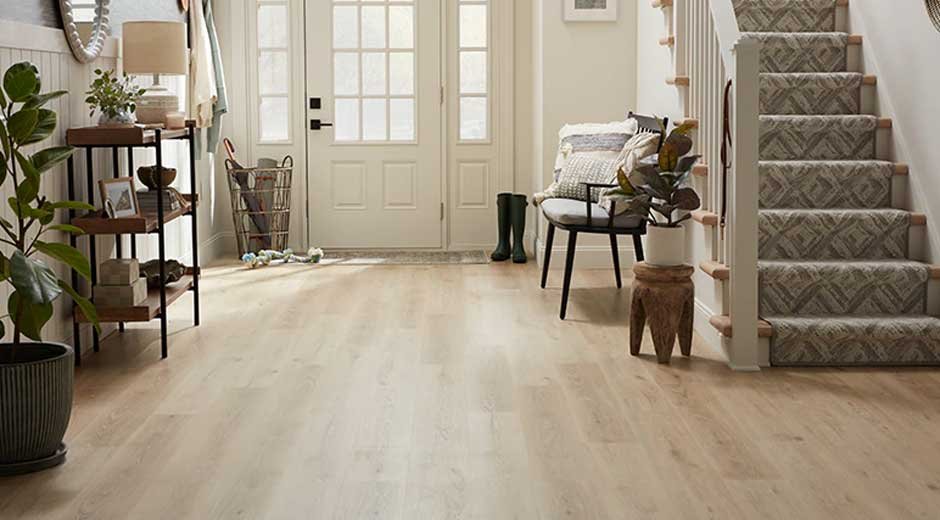
Solid colors, especially light ones, show every footprint and piece of debris. Dark solid colors hide dirt better but show light-colored pet hair and dust. Medium-toned patterns with some variation strike the best balance. Geometric patterns, stripes, or subtle textures disguise the daily accumulation without looking busy.
High-contrast patterns (think bold stripes or dramatic designs) make a statement, but they also draw attention to any wear patterns that develop over time. The traffic path down the center of your stairs will show first, and stark patterns highlight this more than subtle ones.
Padding Makes a Bigger Difference Than Expected
The padding underneath your runner does multiple jobs at once. It cushions footsteps, which reduces noise between floors – a huge benefit in two-story homes where someone’s always heading upstairs while others are trying to watch TV below.
Good padding also extends the runner’s life by absorbing impact and reducing wear on the backing. Cheap thin padding saves money upfront but costs more down the road when the runner wears out faster.
Most installations use either rubber or felt padding. Rubber grips better and stays in place, which helps with safety. Felt padding is softer and quieter but can compress over time. For stairs, rubber padding usually makes more sense because it prevents slipping – the last thing anyone needs is a runner that shifts underfoot.
Installation Method Considerations
Stair runners get installed one of two ways: with tacks and staples (the traditional method) or with adhesive. The traditional method lets you adjust or remove the runner later, which comes in handy if you want to reposition it to shift wear patterns or if you eventually want to change it out.
Some people try DIY installation to save money. It’s doable for someone comfortable with basic tools, but there’s a learning curve. The runner needs to be taut at each step without being stretched so tight it pulls or buckles. Each step requires securing the runner in the crotch (where the tread meets the riser) properly, or you get loose spots that create tripping hazards.
Professional installation usually costs $100 to $300 depending on the staircase complexity and location. For curved stairs or pie-shaped steps, that price jumps because the work takes longer and requires more skill.
Maintenance Reality Check
Different materials need different care approaches. Wool requires gentle cleaning – harsh chemicals damage the fibers. Regular vacuuming matters more than occasional deep cleaning. Most manufacturers recommend professional cleaning every 12 to 18 months for wool runners in high-traffic homes.
Synthetic runners tolerate more aggressive cleaning. Standard carpet cleaning solutions work fine, and many can handle spot cleaning without leaving marks. This makes them more practical for homes with young kids who spill things regularly.
Natural fiber runners like sisal can’t handle moisture well. Liquid spills need immediate blotting – letting moisture sit leads to staining and potential mold issues. These work better in adult-only homes or spaces where spills are unlikely.
Color Choices That Actually Work Long-Term
Light colors look fresh initially but require constant maintenance to keep them looking good. Medium tones in the brown, gray, or taupe family hide everyday dirt while still brightening the stairway. Very dark colors (black, deep navy, charcoal) show dust and light-colored debris, though they hide muddy footprints well.
The surrounding decor matters too. The runner should complement your hardwood or painted stairs without matching them exactly. If you have dark wood stairs, a runner that’s slightly lighter creates contrast. Light painted stairs look good with almost any runner color, though very light runners can wash out against white.
Making the Final Decision
Budget obviously plays a role, but thinking about the total cost over time gives a clearer picture. A $600 wool runner that lasts 15 years costs less per year than a $250 synthetic one that needs replacing every 5 years.
Traffic levels in your home should guide material choice. Two adults working from home create different wear patterns than a family with three kids and a dog. Be honest about your lifestyle – choosing a delicate material for a busy household just creates frustration.
The good news is that stair runners remain one of those home improvements that deliver immediate impact. They make stairs safer, quieter, and more visually interesting while protecting the steps underneath. Taking time to choose the right combination of material, width, and pattern means getting all those benefits without the headache of a runner that doesn’t quite work for your space.