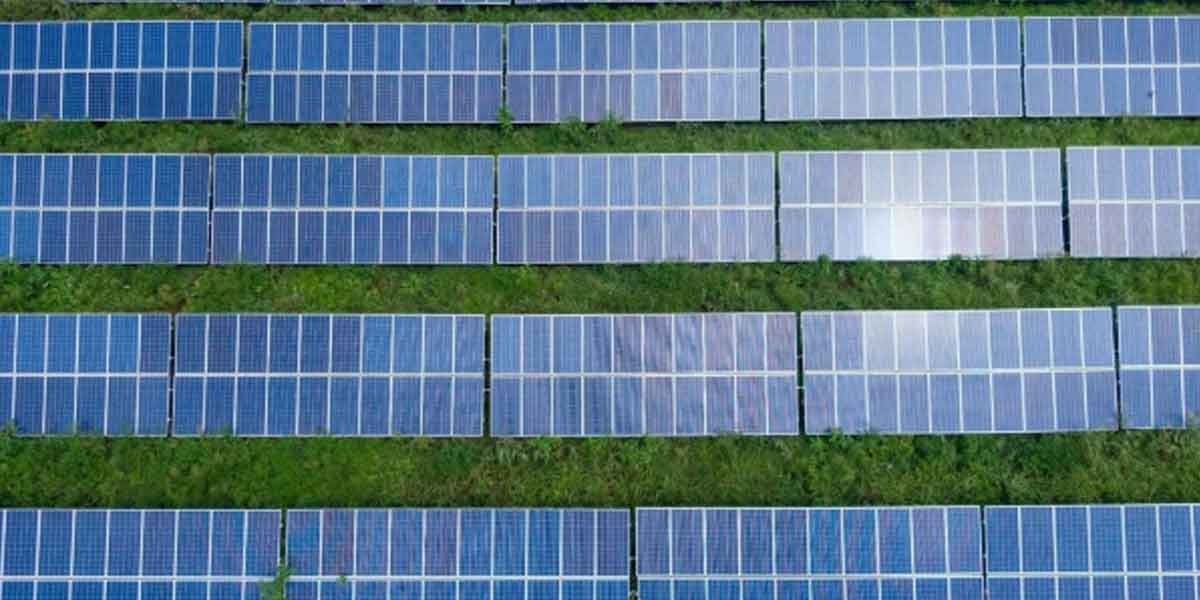
Solar energy development has emerged as a catalyst for sustained economic growth across diverse communities and regions. Unlike conventional industries that face volatile commodity prices and uncertain futures, solar projects deliver measurable financial benefits through multiple channels, from direct employment and land lease payments to enhanced tax revenues and infrastructure investments. Understanding how these opportunities materialize and compound over time reveals why municipalities, landowners, and investors increasingly view solar development as essential to their long-term prosperity.
Assess Regional Energy Demand and Grid Capacity Before Project Approval
Before committing resources to solar energy infrastructure, developers must conduct thorough analyses of regional electricity consumption patterns and existing transmission capabilities. This assessment identifies whether local grids can accommodate additional renewable generation without requiring costly upgrades. Understanding peak demand periods helps determine ideal system sizing and storage integration needs. Grid capacity evaluations reveal potential bottlenecks in transmission lines, substations, and distribution networks that could limit project viability.
Developers should examine historical load data, population growth projections, and industrial expansion plans to forecast future energy requirements. Coordinating with utility operators guarantees solar installations align with regional infrastructure development roadmaps. Projects approved without adequate capacity assessments risk curtailment, where generated electricity cannot be transmitted to consumers, diminishing financial returns and undermining renewable energy adoption goals.
Create Solar Jobs Through Construction, Operations, and Long-Term Maintenance
Solar energy projects generate substantial employment opportunities across multiple phases of development and operation. Construction phases require electrical technicians, equipment installers, and project managers to build solar arrays and infrastructure. These positions typically span 12-18 months for utility-scale installations.
Operations create permanent positions for system monitoring, performance optimization, and equipment troubleshooting. Maintenance teams conduct regular inspections, panel cleaning, and component replacements throughout the facility’s 25-30 year lifespan. These roles provide stable, long-term employment in local communities, often appearing in local searches for solar jobs near me as new projects come online.
Manufacturing and supply chain sectors benefit through production of panels, inverters, mounting systems, and electrical components. Installation training programs prepare workers for specialized solar careers, creating pathways from traditional energy sectors. Regional economic growth accelerates as projects establish permanent operational bases requiring administrative, technical, and field service personnel.
Generate Stable Income by Leasing Your Land for Solar Energy Projects
Landowners with suitable acreage can secure predictable revenue streams by leasing property to solar developers for 20-40 year terms. These agreements typically provide fixed annual payments or escalating rates that protect against inflation, creating reliable income without requiring capital investment or operational involvement from the property owner.
Solar land leases preserve property ownership while generating returns that often exceed traditional agricultural income. Developers handle all installation costs, maintenance responsibilities, and regulatory compliance. For many rural property owners, leasing your land for solar in Illinois has become an increasingly attractive option as renewable energy development expands statewide. The land remains productive throughout the lease period, and upon contract expiration, equipment can be removed and the property restored to its original condition.
Ideal sites feature flat terrain, proximity to transmission infrastructure, and minimal shading. Property owners maintain tax benefits while diversifying income sources, effectively monetizing underutilized land through long-term contractual arrangements that provide financial stability across multiple decades.
Attract Private Capital Through Predictable Revenue and Long-Term Power Contracts
Through power purchase agreements (PPAs) spanning 15-25 years, solar energy projects deliver the contractual certainty that institutional investors require for capital deployment. These fixed-rate electricity contracts eliminate revenue volatility, transforming solar installations into predictable cash-flow generators comparable to infrastructure bonds.
Pension funds, insurance companies, and private equity firms increasingly allocate capital to solar portfolios because long-term PPAs provide quantifiable returns insulated from market fluctuations. The structured payment terms enable precise financial modeling, reducing investment risk premiums and lowering project financing costs. This capital accessibility accelerates solar development while creating competitive financing environments.
Developers secure funding at favorable rates, translating into lower electricity prices for off-takers. The convergence of contractual stability and institutional capital effectively removes traditional financing barriers that historically constrained renewable energy expansion.
Increase Local Tax Revenue and Public Funding Through Solar Installations
Beyond attracting institutional investment, solar energy projects generate substantial fiscal benefits for municipal and county governments through expanded property tax bases. Large-scale solar installations add significant assessed value to previously underutilized land, creating consistent revenue streams that fund essential public services including schools, infrastructure, and emergency services.
Many jurisdictions structure payment-in-lieu-of-tax agreements with solar developers, guaranteeing predictable annual payments regardless of market fluctuations. These arrangements provide budget stability while requiring minimal public services compared to residential or commercial development.
Solar projects also generate one-time permit fees and ongoing inspection revenues. Rural communities particularly benefit, as agricultural land converted to solar use often produces higher tax yields than traditional farming operations. This enhanced revenue supports local economic development initiatives without increasing resident tax burdens.
Support Workforce Training and Skill Development for Renewable Energy Careers
The expansion of solar energy infrastructure creates demand for skilled workers across multiple technical disciplines, from electrical systems installation to project management and ongoing maintenance operations.
Community colleges and technical training centers increasingly offer specialized photovoltaic certification programs that prepare workers for immediate employment in the solar sector. These educational pathways provide accessible career options for individuals seeking stable, well-compensated positions without requiring traditional four-year degrees.
Local workforce development initiatives benefit from partnerships between solar companies, educational institutions, and government agencies that align training curricula with industry needs.
Apprenticeship programs combine classroom instruction with hands-on experience, enabling trainees to earn income while developing expertise. This investment in human capital strengthens regional economies by creating a qualified labor pool that attracts additional renewable energy projects and positions communities as competitive destinations for green technology industries.
Plan Regulatory, Environmental, and Infrastructure Requirements to Reduce Project Risk
Successful solar energy projects require thorough planning that addresses regulatory compliance, environmental impact assessments, and grid connectivity before construction begins. Developers must navigate zoning laws, permitting processes, and utility interconnection agreements that vary by jurisdiction. Early engagement with regulatory agencies streamlines approvals and prevents costly delays.
Environmental assessments identify potential impacts on wildlife habitats, water resources, and cultural sites, allowing mitigation strategies to be implemented proactively. This due diligence reduces legal challenges and community opposition that can derail projects.
Infrastructure analysis evaluates transmission capacity, substation upgrades, and road access requirements. Addressing these technical considerations early prevents budget overruns and guarantees reliable grid integration. Extensive planning reduces financial risk, accelerates project timelines, and increases investor confidence, ultimately strengthening the economic viability of solar developments.