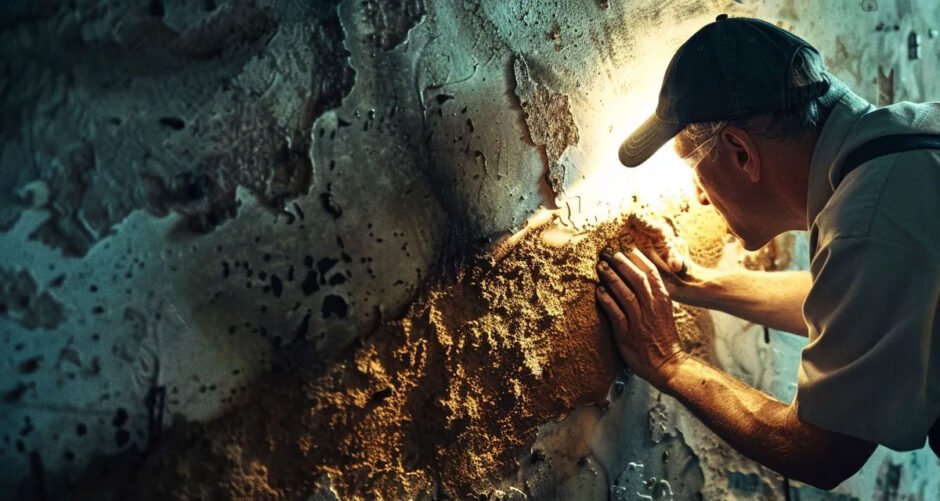
Water damage from leaks can drastically affect a home’s infrastructure, leading to costly repairs. For example, the Environmental Protection Agency (EPA) estimates that fixing easily corrected household water leaks can save homeowners about 10 percent on their water bills. Consistent maintenance performed by skilled professionals plays an instrumental role in preventing such issues.
Addressing plumbing issues before they escalate into major problems is much more than a convenience; it’s a strategic investment in the longevity and safety of your property. Below, we’ll explore how regular plumbing maintenance can act as a safeguard against expensive leak damages and what steps homeowners can take to protect their homes.
Recognizing Early Warning Signs of Plumbing Issues
An effective leak prevention strategy begins with the ability to recognize early signs that a plumbing system may be failing. Subtle indicators, such as an unexplained increase in water bills or the sound of running water when taps are off, can point to hidden leaks. Paying attention to these early signs can prevent a small issue from developing into a major problem.
Another aspect to watch out for is the appearance of mold or mildew, which suggests excess moisture that could be due to leaky pipes. Damp spots on walls or ceilings are also telltale signs indicating potential plumbing failures. Ignoring such symptoms can accelerate structural damage and lead to higher repair costs later.
To avoid escalating problems, homeowners should regularly check under sinks, around appliances, and other standard water sources for any dampness or discoloration. Fixture performance should also be monitored; a drop in water pressure might herald an underlying issue that needs attention. Addressing a plumbing issue early, especially by a plumber, can save you significant costs in the long run.
The Role of Professional Inspections in Leak Prevention
Engaging with professional plumbers for regular inspections is a critical component of leak prevention. Trained experts can assess the health of a plumbing system in ways that laypeople often cannot, using specialized diagnostic tools and their knowledge of common problem areas.
A professional inspection typically involves a thorough check of pipes, faucets, toilets, and water-using appliances. Experts can detect anomalies in the system, such as corrosion or blockages, which can contribute to leaks if left unaddressed. Understanding how home plumbing works can give homeowners better insight into the importance of these professional assessments.
Homeowners should schedule annual or bi-annual inspections to ensure that any potential issues are caught early. Between visits, it’s wise to keep an eye out for any changes in the system’s behavior and to contact a professional if anything seems amiss.
How Regular Maintenance Prevents Expensive Leak Damages
Regular maintenance acts as the first line of defense against costly leak damages. By keeping plumbing systems in check, homeowners can avoid the exorbitant costs associated with water damage restoration, mold remediation, and the replacement of structurally compromised materials.
Preventative measures include tasks like regularly cleaning drains to prevent clogs, which could lead to pipe bursts, replacing old and worn-out washers, and ensuring proper water pressure is maintained to avoid undue stress on the pipes. These seemingly minor actions can have a major impact on the overall health of the plumbing system.
It’s beneficial for homeowners to develop a checklist and schedule for routine maintenance tasks. Doing so ensures that critical steps aren’t overlooked and that their plumbing system remains robust and leak-free. This approach not only saves money but also peace of mind.
Incorporating Leak Detection Technologies in Maintenance Routines
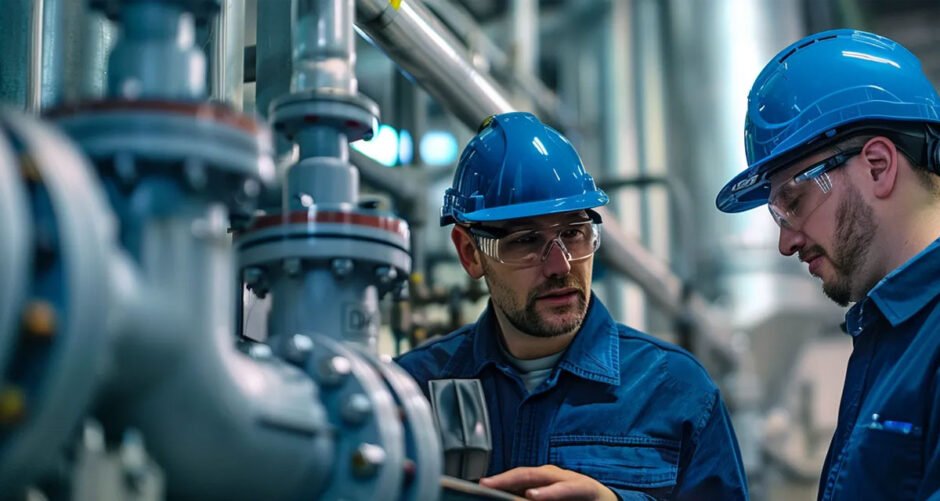
Incorporating advanced leak detection technologies into regular maintenance routines brings an additional layer of protection. Innovations like smart water sensors and automatic shut-off systems can provide real-time alerts to the presence of moisture where it shouldn’t be, significantly reducing the potential for widespread water damage.
Such technologies are particularly useful for detecting slow leaks that are not immediately noticeable to the naked eye but can cause significant damage over time. These systems can be integrated into home automation setups, offering round-the-clock monitoring and control of the residential plumbing network. Water leak detector guides often showcase the variety of options available on the market.
Enhancing a maintenance routine with technology requires an initial investment, but it’s one that could save homeowners considerably in long-term repair costs. Regularly testing and maintaining these systems ensures they function optimally when needed most.
Ultimately, regular plumbing maintenance is a modest investment that can yield significant financial savings and home safety benefits. Understanding the early signs of plumbing issues, relying on professional inspections, committing to routine maintenance, and embracing leak detection technologies are all reliable steps toward safeguarding a home against potentially devastating leak damages. By taking a proactive approach to plumbing health, homeowners can enjoy the peace of mind of a secure and well-functioning home environment.