A well-maintained paver patio adds lasting beauty and functional outdoor living space to your home. However, weather, traffic, and time can erode both its strength and appearance. Consistent upkeep is essential for preserving your investment, minimizing costly repairs, and maintaining your patio’s attractiveness year after year. Tackling regular tasks as part of your outdoor care routine will help prevent major issues before they start. If you’re noticing changes in your patio’s appearance or texture, now might be the time to consider paver resealing as a proactive step to protect your space. Starting early with preventive actions extends the structure’s lifetime, saving money and hassle down the road.
Maintenance isn’t just about aesthetics—it’s about longevity. When you address dirt, joint sand loss, and cracks promptly, you minimize risks such as tripping hazards or shifting stones. Not only does this protect your family and guests, but it also upholds the property value of your home.
Regular Cleaning: The Foundation of Patio Upkeep
Cleaning your paver patio on a regular basis helps prevent the accumulation of dirt, leaves, and organic matter that can foster stains and weed growth. Start by sweeping with a stiff broom or blowing off debris with a leaf blower at least once a week to prevent buildup. Set aside a few times each season to rinse the patio with a garden hose equipped with a spray nozzle. For stubborn spots or tougher stains, carefully use a pressure washer set at low PSI to avoid damaging the surface or dislodging joint sand. Consistent cleaning has been proven to help maintain both the appearance and safety of patios.
Address stains from food, moss, or tree sap right away to keep pavers from absorbing discolorations. For most patios, aim for a deep clean every two to four years, and be selective with cleaning agents to avoid etching or fading.
Yard debris and grime left unchecked can deteriorate the surface and promote the growth of weeds. By incorporating cleaning into your seasonal outdoor routine, you’ll reduce the likelihood of needing to resort to harsh chemicals or more expensive professional cleaning services later.
Sealing: The Barrier Between Your Patio and the Elements
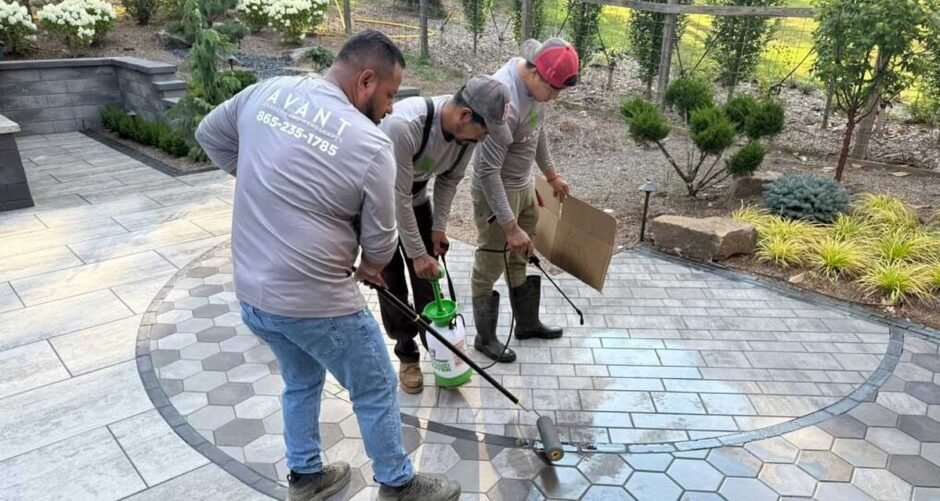
Applying a sealant is a powerful way to extend the lifespan of your patio. Sealing protects against water infiltration, stains, and damaging UV rays. The right sealer also enhances the colors in your pavers, making them appear richer and more vibrant. For most patios, resealing every two to three years is ideal—though patios exposed to harsh weather or heavy foot traffic may benefit from more frequent applications. Be sure to choose between penetrating sealers, which soak into the paver, and film-forming sealers, which create a surface barrier, based on your needs for finish and durability. Sealing not only increases the patio’s resistance to the elements, but it also smooths out routine cleaning and maintenance, making it less likely for dirt, oil, and spills to penetrate the paver surface.
Dealing with Repairs Promptly to Prevent Escalation
Even the sturdiest patios can develop issues over time. Pavers may crack or settle due to shifts in the underlying base, freeze-thaw cycles, or especially heavy usage. Early detection is vital—fixing small cracks, chips, or loose pieces promptly prevents them from developing into costly structural repairs. Always keep a few extra pavers on hand for replacements that blend seamlessly. Additionally, replenishing joint sand is crucial after repairs to help stabilize the newly fixed areas and minimize weed and ant intrusion.
Maintaining Joint Sand for Stability and Weed Prevention
Joint sand acts as the glue that locks pavers in place and deters weed growth. With rain, cleaning, and normal traffic, this sand wears away and must be replaced every one to two years. Polymeric sand—unlike regular sand—hardens when moistened, providing more resistance to erosion and plant growth. By maintaining the joints, you keep the installation stable, prevent shifting, and further minimize the chances of weed and moss problems.
Seasonal Maintenance: Weather-Proofing Your Patio
Changing seasons bring different maintenance needs. In winter, use plastic or rubber-edged shovels for snow removal to prevent scraping or chipping the surface. Avoid using de-icing salts, as they can permanently damage the appearance and structure of pavers. During the spring and autumn, clear away fallen leaves and mow grass clippings quickly after lawn maintenance to prevent stains and organic buildup. In rainy climates, keeping the patio free of accumulated water and debris will help prevent moss and algae growth.
Controlling Weed and Moss Growth for a Pristine Look
Nothing ages a patio faster than invasive weeds or encroaching moss. Mulch, soil, and organic material often find their way into joints, creating the perfect breeding ground for unwanted plants. Applying polymeric sand, caulking edges, and resealing regularly creates a hostile environment for these invaders. Periodic inspections, combined with hand-pulling or spot treating problem areas with pet- and plant-safe weed killers, will preserve your patio’s neat, finished appearance and help maintain its stability.
Conclusion
Consistent and proactive maintenance is the single best investment you can make in the longevity of your paver patio. Simple routines—such as regular cleaning, timely repairs, sealing, and sand replenishment—can add years to your patio’s life, enhance its appearance, and maximize your enjoyment of the space. Prioritizing these habits ensures your outdoor living area remains as inviting as the day it was installed. With a little thoughtful care, your paver patio will continue to add value and comfort to your home for many years to come.