The practice of hunting often sparks debate, yet when conducted with a strong ethical framework, it plays a vital role in modern wildlife management and the preservation of balanced ecosystems. Ethical hunting is far more than just a recreational activity; it is a regulated and science-based tool that contributes directly to conservation efforts. By participating in this tradition responsibly, hunters become active stewards of the natural resources they value, helping to ensure that wildlife populations and their habitats thrive for future generations.
Population Control and Habitat Preservation
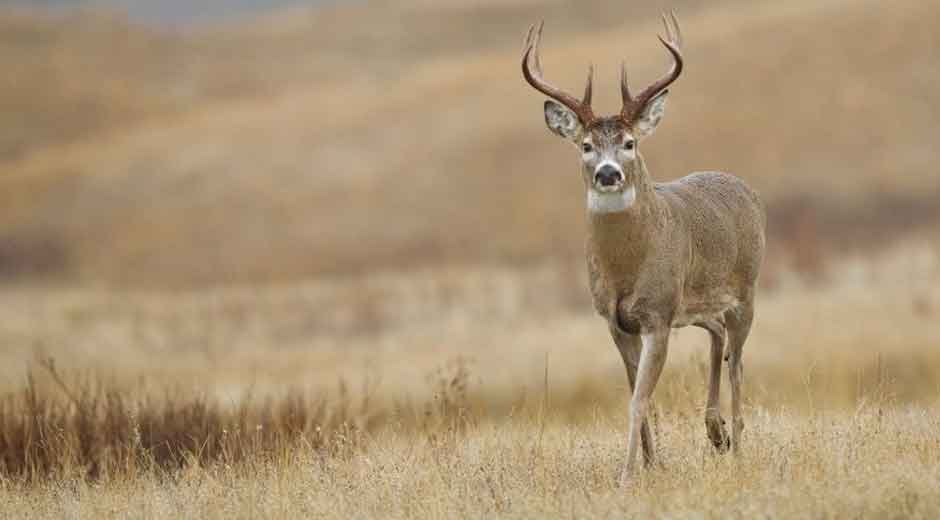
One of the most significant contributions of ethical hunting is the management of animal populations. In many ecosystems, natural predators have been diminished or eliminated, which can lead to the overpopulation of certain species, particularly herbivores like deer and elk.
Preventing Overgrazing and Disease
Without natural checks and balances, large herbivore populations can grow beyond the carrying capacity of their habitat. This leads to overgrazing, which damages vegetation, causes soil erosion, and negatively impacts other species that rely on the same food sources. Overcrowding also increases the risk of disease transmission, which can devastate an entire animal population. Ethical, regulated hunting helps maintain these populations at healthy levels, preventing habitat destruction and promoting the overall health of the herd.
Funding Conservation Efforts
Hunters are a primary source of funding for wildlife conservation in North America. Through the purchase of licenses, tags, and federal excise taxes on hunting equipment, billions of dollars are generated annually. These funds are allocated to state wildlife agencies to manage wildlife populations, restore habitats, conduct research, and acquire land for conservation. This user-pays, public-benefits model is a cornerstone of modern conservation, ensuring that the resources needed to protect ecosystems are readily available.
Promoting a Deeper Connection to Nature
Ethical hunting requires a profound understanding of and respect for the natural world. It fosters a connection that goes beyond simple observation, demanding knowledge of animal behavior, tracking, and the intricate workings of an ecosystem.
The Principle of Fair Chase
A core tenet of ethical hunting is the principle of fair chase. This unwritten code emphasizes that the animal should have a reasonable opportunity to escape. It means hunters do not take unfair advantage of an animal, respecting its wild nature and the challenge of the pursuit. This philosophy ensures that the hunt is conducted with reverence for the animal. It also requires skill and patience, which deepens the hunter’s appreciation for the environment. The focus is on a quick, humane harvest, which involves mastering one’s equipment, from sighting in a rifle to ensuring the sharpness of broadheads for an effective and ethical shot.
Utilizing the Harvest
Respect for the animal extends beyond the hunt itself. Ethical hunters are committed to using as much of the harvested animal as possible. The meat provides a sustainable, organic food source for their families, connecting them directly to the food chain. This nose-to-tail approach minimizes waste and reinforces the value of the animal’s life, standing in stark contrast to the detachment often associated with commercial food systems.
The Hunter’s Role as a Conservationist
Ultimately, the ethical hunter is an active participant in the conservation cycle. They contribute valuable data to wildlife agencies through harvest reports, which helps biologists make informed management decisions. They often participate in habitat improvement projects and advocate for policies that protect wild places.
By adhering to regulations, practicing fair chase, and contributing financially to conservation, ethical hunters play a crucial and often misunderstood role in maintaining the health and sustainability of our ecosystems. This tradition, when guided by respect and responsibility, is a powerful force for preserving the wild beauty of the natural world.