In today’s fast-changing business environment, having access to the right financial tools can make the difference between stagnation and expansion. One of the most practical solutions for modern businesses is a business line of credit. By giving companies the flexibility to tap into funds when needed, a line of credit helps manage unforeseen expenses and cash flow challenges. If you are looking to learn more about how to qualify for a business line of credit, understanding the basics and benefits is a great place to start.
Unlike traditional loans, a business line of credit allows businesses to draw funds up to a set limit and pay interest only on what they use. This flexibility enables companies to react quickly to new opportunities, address challenges in real time, and position themselves for sustainable growth. It makes sense for business leaders to consider this financing option as a strategic resource for supporting new ventures, seasonal needs, or scaling up operations.
Flexible access to funding is essential in industries marked by unpredictability, whether due to seasonal swings or changing consumer demand. Business lines of credit can relieve the pressure on day-to-day operations, empowering business owners to move forward confidently.
For more detailed information about business credit lines and how they fit into a small business’s financing options, resources like Forbes Advisor’s guide to business lines of credit offer helpful comparisons and insights.
Understanding Business Lines of Credit
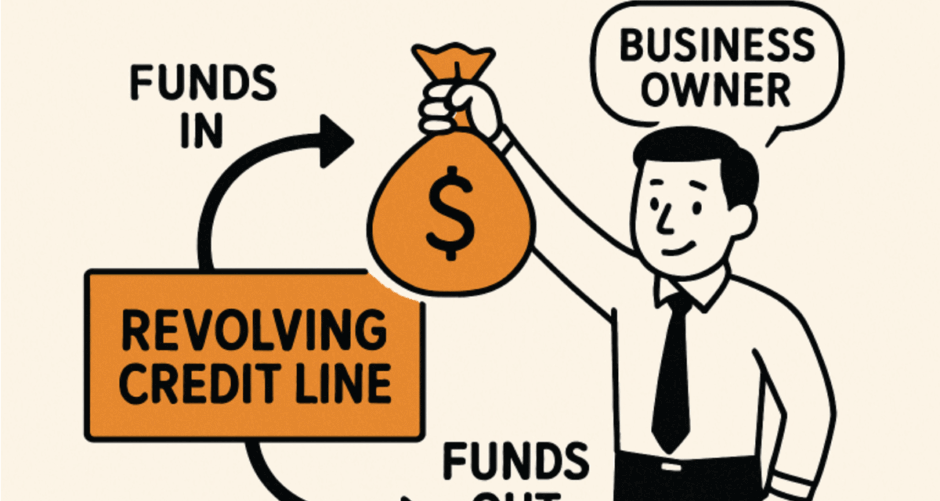
A business line of credit is a revolving loan that allows businesses to borrow up to a defined limit. Instead of receiving a lump sum, companies can access only what they need at any given time. When funds are repaid, the credit line is replenished. This flexible model can be invaluable for managing cash flow, covering urgent expenses, or making incremental investments as opportunities arise. The only interest charged is on the amount drawn rather than the total credit limit, making this approach cost-effective for many small and mid-sized businesses. According to the U.S. Small Business Administration, this type of financing is particularly well-suited for companies with ongoing working capital needs.
Managing Seasonal Cash Flow
Many businesses, particularly in retail, tourism, and agriculture, experience periods where income fluctuates throughout the year. A business line of credit helps mitigate these ups and downs by providing working capital during slow seasons to cover expenses such as rent, utilities, and payroll. For example, a landscaping company may utilize a line of credit to pay its employees and order supplies during the winter when revenues are lower, then repay the balance as contracts surge in the spring and summer. This revolving credit tool helps maintain business continuity and employee morale while avoiding the need for expensive or short-term loans.
Investing in Equipment and Inventory
Growth often requires investment in new tools, technology, and inventory. Whether it is replacing outdated machinery in a manufacturing firm or acquiring additional inventory to prepare for increased demand, a business line of credit provides the capital needed without draining cash on hand. Consider a café owner who needs to upgrade kitchen equipment before launching a new menu. By accessing the line of credit, the owner can purchase the required items immediately, then pay down the borrowed amount as revenue from the menu expansion grows. This funding structure enables smart, proactive investment decisions that support operational efficiency and customer satisfaction.
Funding Marketing and Expansion
One of the most significant advantages of a business line of credit is its support for marketing efforts and business expansion. Launching an advertising campaign, investing in digital marketing, or even opening a new location can require substantial capital. With a revolving credit line, businesses can allocate funds to critical growth initiatives and pay them off as new revenue streams develop. A retailer, for example, may use funds to boost online presence ahead of a major sale event, resulting in immediate growth in market share. The availability of on-demand funds ensures that promising opportunities to reach new customers or enter new markets can be seized quickly and effectively.
Building Business Credit
Establishing business credit lays the foundation for future financial health. Using a business line of credit responsibly by making timely payments and staying within the credit limit can enhance a company’s credit profile. Lenders value businesses that demonstrate prudent financial management, and a positive credit history opens the door to better terms or larger financing options in the future. Strong business credit can lower borrowing costs, increase financial flexibility, and strengthen a company’s reputation with vendors and investors. Over time, these factors can make pursuing larger ventures or weathering economic uncertainty significantly easier.
Conclusion
A business line of credit is a dynamic tool for businesses seeking to manage cash flow, invest in development, and sustain growth in a competitive marketplace. Its uniquely flexible structure allows companies to address short-term financial challenges and capitalize on opportunities that arise. Utilizing this resource responsibly not only optimizes operational efficiency but also builds a solid foundation for future success. As the business landscape continues to evolve, having reliable access to working capital will remain essential for thriving in any industry.