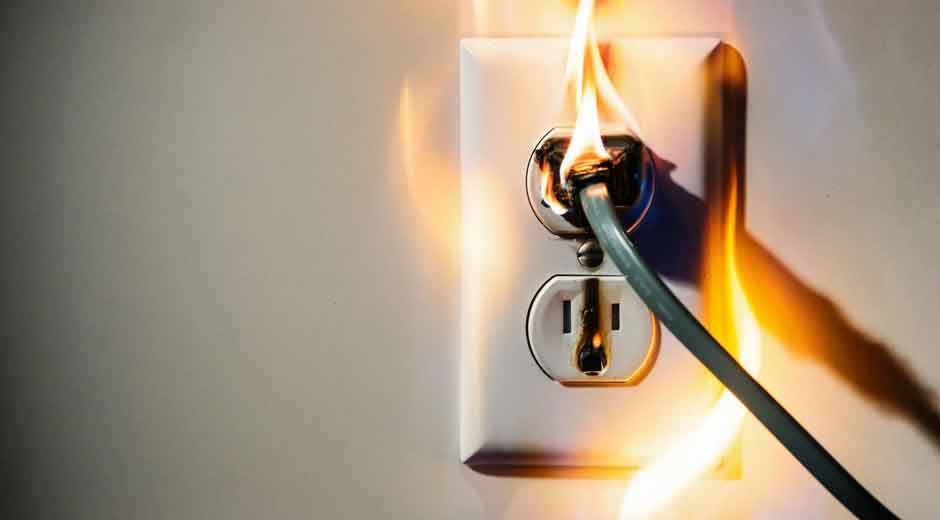
Electricity powers every aspect of our daily lives, but it can also be a hidden danger if not properly managed. Electrical fires and hazards remain one of the leading causes of home damage and personal injury, often stemming from issues that could have been easily prevented. Faulty wiring, outdated panels, and overloaded circuits can all pose risks that escalate quickly without professional intervention. By prioritizing safety and routine maintenance, homeowners can drastically reduce the likelihood of accidents. We will explore how electricians play a crucial role in safeguarding homes against these unseen threats and ensuring that every electrical system functions safely and efficiently.
Preventing Electrical Fires and Hazards: The Electrician’s Role in Home Safety
- Identifying Faulty Wiring and Outdated Electrical Systems
One of the most common causes of electrical fires is faulty or aging wiring hidden behind walls or ceilings. An electrician begins by assessing the condition of the wiring system to detect potential weak spots, frayed wires, or improper connections. In many older homes, electrical systems were not designed to handle the demands of modern appliances and technology. This creates a situation where wires overheat and insulation breaks down, posing a serious fire risk.
Top Conway electricians use diagnostic tools, such as circuit testers, voltage detectors, and thermal imaging devices, to pinpoint irregularities before they escalate into dangerous situations. By upgrading outdated wiring and replacing deteriorated materials, they ensure that the electrical system can safely support contemporary energy consumption. This proactive approach not only prevents potential fires but also enhances the overall performance and efficiency of the electrical network, giving homeowners peace of mind.
- Installing Proper Circuit Breakers and Ground Fault Protection
Circuit breakers and ground fault circuit interrupters (GFCIs) are vital components in protecting a home’s electrical system from overloads and surges. Electricians inspect and install these devices to ensure that when an abnormal current is detected, the system automatically shuts down power to prevent overheating and potential fires. GFCIs, commonly found in kitchens, bathrooms, and outdoor areas, are particularly important because they protect against electrical shock in environments prone to moisture.
Electricians also ensure that all circuits are properly balanced to handle varying power demands without placing undue stress on the wiring. This process includes labeling panels for clarity and upgrading outdated fuse boxes to modern circuit breaker systems. By ensuring the home has the correct electrical safeguards in place, electricians help minimize risks that could otherwise lead to costly repairs, property damage, or even life-threatening incidents. Proper circuit protection is the foundation of a secure electrical infrastructure.
- Managing Electrical Load and Preventing Overloads
A frequent but overlooked cause of electrical fires is circuit overload, which happens when too many devices draw power from a single circuit. Electricians play a key role in managing electrical load distribution to prevent overheating and potential short circuits. During an inspection, they evaluate the amount of current each appliance or room requires and determine whether the existing wiring and circuits can safely handle that load. For instance, high-energy appliances such as air conditioners, ovens, or dryers require dedicated circuits to prevent overuse of shared circuits.
Electricians may also suggest adding extra outlets or redistributing connections to ensure even power distribution throughout the home. These adjustments not only enhance safety but also increase convenience and energy efficiency. By helping homeowners understand their system’s limitations and capacity, electricians ensure that daily electrical use remains balanced, reducing the chance of an overload that could lead to fire hazards or equipment damage.
- Addressing Short Circuits and Loose Connections
Short circuits occur when electrical currents travel through unintended paths, generating excessive heat that can ignite nearby materials. Electricians are trained to identify and repair these issues quickly by examining outlets, switches, and circuit panels for loose connections or damaged components. Over time, wires can loosen due to vibration, corrosion, or improper installation, creating small sparks that may go unnoticed until it’s too late. Electricians tighten connections, replace worn-out receptacles, and ensure proper grounding to maintain a continuous and safe flow of electricity.
They also conduct thermal scans to detect hot spots that could indicate hidden electrical stress points. Through these preventive actions, electricians reduce the likelihood of electrical malfunctions and promote long-term reliability in a home’s power system. A properly maintained connection means fewer power interruptions, improved performance, and a significantly lower risk of electrical fire incidents.
- Upgrading Lighting and Appliances for Safety and Efficiency
Older lighting fixtures and outdated appliances can draw excessive power or malfunction, increasing fire hazards. Electricians help homeowners transition to energy-efficient and safer alternatives, such as LED lighting and properly rated electrical appliances. They verify that light fixtures match the correct wattage and that cords or sockets show no signs of wear.
Additionally, electricians ensure that all electrical devices are grounded correctly, which prevents dangerous surges or sparks. For homes undergoing renovation or expansion, electricians design wiring plans that accommodate modern energy-efficient technologies while complying with safety codes. Upgrading lighting and appliances is not only about aesthetics or saving on utility bills—it is also a crucial measure to enhance home safety and prevent overheating-related hazards. These improvements also reduce environmental impact, making the home safer and more sustainable in the long run.
Electrical safety begins with awareness and is sustained through professional care and maintenance. By identifying risks early, upgrading outdated systems, and ensuring proper load management, electricians play a vital role in preventing electrical fires and hazards. Their expertise extends beyond fixing problems—they build safer environments through education, inspections, and preventive measures. Homeowners who invest in regular electrical assessments can enjoy the peace of mind that comes with knowing their systems are secure, efficient, and compliant with safety standards. Home safety starts with a single choice: trusting qualified electricians to keep electricity working safely behind every switch and outlet.