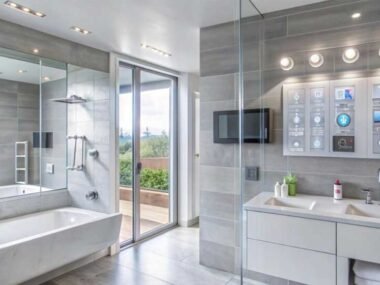
Small spaces can be difficult to keep warm. There are only one or two walls to work with and standard radiators take up too much space that could otherwise be used for storage. A radiator can be quite unsightly in a small room. In a small bathroom or cramped ensuite, there may be no good place to put one at all. Yet small rooms need heat, sometimes even more so than bigger rooms, as people get in and out of the shower and need to feel comfortable.
Therefore, several ways exist to keep small spaces warm without having to install a radiator. Knowing what’s out there can help find the best solution for the specific small space.
Why Wall Space is an Issue in Small Rooms
In an already cramped space, every single inch of wall space counts. A radiator (or an electric heater) can take up valuable real estate that would otherwise be used for fixtures or kept open to avoid creating a boxy room feel. In a bathroom, this is especially true, as there are sinks, toilets, showers and towel rails that need to go on what little wall space there is.
Something that doesn’t necessitate a wall-mounted source means that the wall is free and the room has heat. It makes the space feel more comfortable and usable overall.
Heated Floors for Small Spaces
Underfloor heating works best in small spaces. The floor is already there; using it as the heat source means nothing additional needs to be used. In bathrooms, ensuites, utility rooms and similar restricted spaces, this almost invisible means of heating makes a ton of sense.
Electric Underfloor Heating works best in smaller spaces, too, as it’s easier to install than water-based heating systems which needs a connection to central heating. Electrical systems are less complex and make sense for one-off room situations and not large-scale ones.
Warmer floors are especially beneficial in bathrooms. Stepping out of the shower onto a warm tile floor is far more comfortable than stepping onto cold tiles. This type of heating is most effective in rooms where people will be barefoot; direct contact heat does wonders.
Running costs are also kept low in smaller spaces as only a few square meters need heating. A smaller bathroom does not consume much electricity when with underfloor heating in operation.
Heated towels are appreciated, too. A warm towel when getting out of the shower is especially appreciated.
Heated Towel Rails
Heated towel rails work like two-in-one sources: they heat towels and provide heating throughout the space. In smaller bathrooms, it can be large enough to keep the space warm but one doesn’t have to worry about supplemental sources.
Heated towel rails come in many modern styles from compact options that can fit in small tight corners but still provide decent heating output in case needed, plus their simple design features—most electric or hybrid heated towel rails (heating systems connected to central heating) offer some flexibility.
Unlike standard radiators that are at times decorative at best, heated towel rails offer practical function—hanging towels—and therefore don’t just look out of place in small spaces looking like they’ve been forced in there for no reason.
They help dry towels quickly and avoid damp towel smell that comes from hanging wet towels up in poorly ventilated bathrooms.
Unfortunately, for super small bathrooms, they may still not provide enough heat alone when temperatures drop outside so they’re better when supported by underfloor heating or used in properly insulated spaces.
Panel Heaters and Low-Level Radiators
When it comes to necessity for wall-mounted options but space is still at a premium, slim option panel heaters and smaller radiators exist. These low-profile versions do not take up as much depth and can be implemented where normal radiators won’t work.
Low-height radiators that rest along the bottom of walls utilize space that would otherwise just collect dust without providing any value. They offer heating without it taking away from the look or feel of the room.
Electric panel heaters have few installation requirements than plumbing based connections needing an existing water supply and radiator source. They’re easy and quick to get up and running—mount it, plug it in and call it a day—but they also charge more per KW than having central heating power gas-based radiators.
However, smaller spaces only infrequently used may not matter as much.
Infrared Heaters
Infrared heaters function by heating people (or objects) directly instead of heating air. When comfortable temperature air isn’t present in small rooms, infrared heating feels good anyway. Plus infrared heats quickly; simply turn it on and within seconds it starts working wonders for those inside.
Infrared heaters come in panel form which can be mounted like pictures on walls or can be mounted on ceilings out of the way completely. Some are created to look like mirrors or artwork.
Only needing to heat compact spaces intermittently works well for infrared heating since infrared will respond quickly. For example, a small bathroom that’s only occupied for twenty or thirty minutes while showering works better with infrared because infrared works right away instead of slowly warming the space air within the course of hours.
Determining Which Works Best
Choosing small space heating depends on several factors: how the room is used and how often matters—for example, bathrooms need dependable heating while showering but do not need constant comfort levels when not occupied.
Installation matters; rooms getting new floors may lend themselves better to underfloor heating while rooms looking to keep their flooring may lend themselves better to wall-mounted options.
Finally, running costs and initial pricing mean choices must be made based on what upfront cost makes sense before assessing long term costs of running power through.
Are Smaller Solutions Effective?
Ultimately, effective solutions apply heat output against actual need while minimizing waste. An insulated tiny air volume represents an insulated asset as heat loss becomes more proportionate since it’s not fighting against the square footage of larger uninsulated systems.
Finally, controls matter; thermostatic control helps shut down power if temperatures rise too high unnecessarily while timers ensure only heating when someone actually needs it during consistent occupancy. However, in more frequently used smaller spaces it often makes more sense to keep things moderated since sustained comfort levels usually win out than letting things dip to cools and then ramping back up again.
Understand What’s Workable
There’s no perfect solution for small spaces needing heat; different arrangements provide different solutions based on given situations since layouts, occupancy rates, budgets and renovation projects all have differing impacts on how best to heat certain rooms.
Underfloor heating works best in bathrooms/small rooms with hard flooring—especially during renovation—while heated towel rails work well as primary or supplemental sources of heat. Compact options on walls provide flexibility and panels where floors aren’t workable serve well wherever appropriate.
Understanding what each source offers and how it helps make small spaces feel warm without wasting on windowed wall space or energy help create practical solutions that get the job done right!