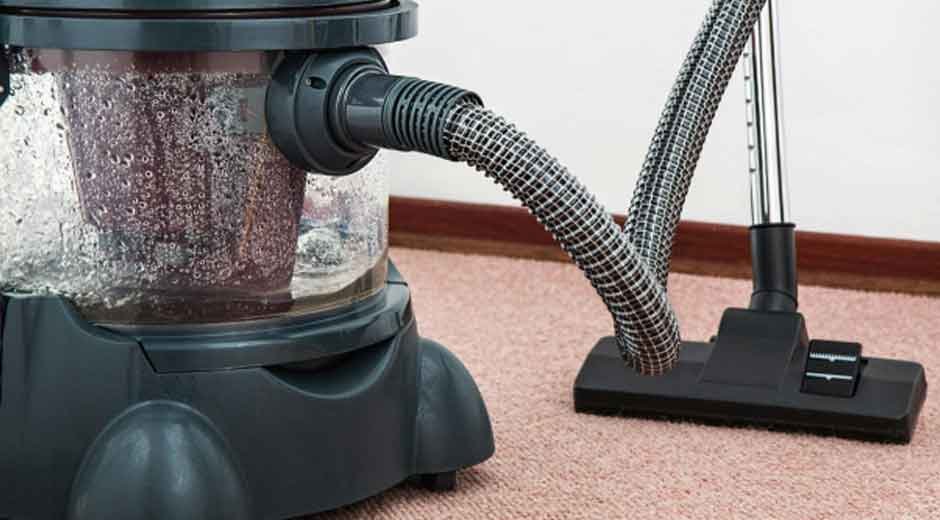
A cluttered office drains energy before the workday even begins. Stacks of paper, dusty screens, and sticky kitchen counters create background noise that distracts the eye and the mind. People move more slowly, lose documents, and spend extra minutes hunting for space to work. A clean, organized office flips that experience, giving staff a setting that supports focus, collaboration, and pride.
Demand for that kind of environment keeps rising. Recent market research values the global cleaning services market at more than 424 billion dollars in 2024, with projections climbing above 734 billion dollars by 2032, a sign that many organizations now treat cleanliness as a strategic investment instead of a cosmetic extra. Office cleaning services represent a significant slice of that total, with dedicated reports placing the segment at around 23 billion dollars in 2024 and forecasting strong growth through the next decade.
From Visual Clutter to Clear Thinking
Visual clutter pulls attention away from deep work. Overflowing bins, stained carpets, and dusty windows send a constant signal that things feel out of control. Employees often report that disorganized surroundings make concentration harder and increase the effort required to complete everyday tasks. Studies on workplace environments show that clean, well-maintained offices correlate with improved productivity and stronger employee well-being.
Professional cleaners bring structure to the problem. They create predictable routines for desk areas, meeting rooms, kitchens, and restrooms. Trash disappears before it piles up, surfaces stay clear, and shared spaces feel ready for use at any moment. Staff can then reserve mental energy for clients, projects, and creative thinking rather than reacting to constant visual noise.
Health Protection Through Hygienic Workspaces
A tidy office does more than please the eye. It reduces exposure to germs that spread colds, flu, and other infections. High-touch surfaces in commercial buildings, such as door handles, elevator buttons, keyboards, and faucet handles, can accumulate hundreds or thousands of microbes during a single workday.
Desk areas often rank among the worst offenders, with some studies suggesting that a typical desk can carry hundreds of times more germs than a toilet seat once phones, mice, and keyboards join the picture. Office managers who want to control that risk often turn to companies such as Eshine for structured cleaning plans that include disinfection of shared equipment and high-touch points. Targeted routines like this cut down on cross-contamination between staff, visitors, and contractors, which lowers the likelihood of outbreaks that disrupt entire teams.
Cleaner Offices and Measurable Productivity
Research on office environments continues to highlight connections between cleanliness, organization, and output. Employers who invest in regular cleaning and maintenance often see measurable gains in focus, accuracy, and task completion rates. Studies that track performance before and after improvements to cleaning routines show clear links between cleaner workstations and higher productivity.
Well-maintained spaces influence how employees feel about the organization. A recent survey in the United Kingdom found that 51 percent of workers viewed a poorly maintained workplace as a leading cause of job dissatisfaction, while those who described their environment as safe and well managed expressed far higher satisfaction with their employer.
Professional Cleaning as a Signal of Culture and Care
Clients and candidates form impressions as soon as they step through the door. An office that smells fresh, looks organized, and presents clean glass and flooring communicates that the company cares about detail and respects everyone who enters the space. Dusty corners, streaked windows, and overflowing bins send the opposite message, even if the actual service delivered by the business meets a high standard.
Professional office cleaning supports brand reputation in subtle ways. Sales teams can host meetings in conference rooms that feel ready without last-minute scrambling. Leadership can conduct tours for partners or investors without worrying about dirty restrooms or cluttered corridors.
Why Outsourcing Beats Ad Hoc Cleaning
Some organizations ask employees to handle cleaning tasks around their main roles. This approach often leads to inconsistency, missed areas, and tension between staff members who feel they carry more of the load. It diverts time away from core duties that generate revenue or serve clients.
Specialist cleaning teams bring training, equipment, and scheduling discipline that ad hoc efforts rarely match. They understand how to sanitize different surfaces safely, how to work around confidential documents, and how to coordinate with security or facility teams.
Building a Sustainable Cleaning Strategy
An effective office cleaning strategy grows with the business. Leaders start by mapping zones, usage patterns, and risk levels. High traffic areas, shared equipment, and restrooms usually receive daily attention, while storage rooms and seldom-used meeting spaces may need less frequent visits. Seasonal factors such as flu season or regional weather patterns can influence scheduling as well.
Regular review keeps the plan relevant. Facility managers track issues that staff report, such as persistent odors, cluttered shared tables, or frequently dirty keyboards. They adjust checklists and timing based on that feedback.
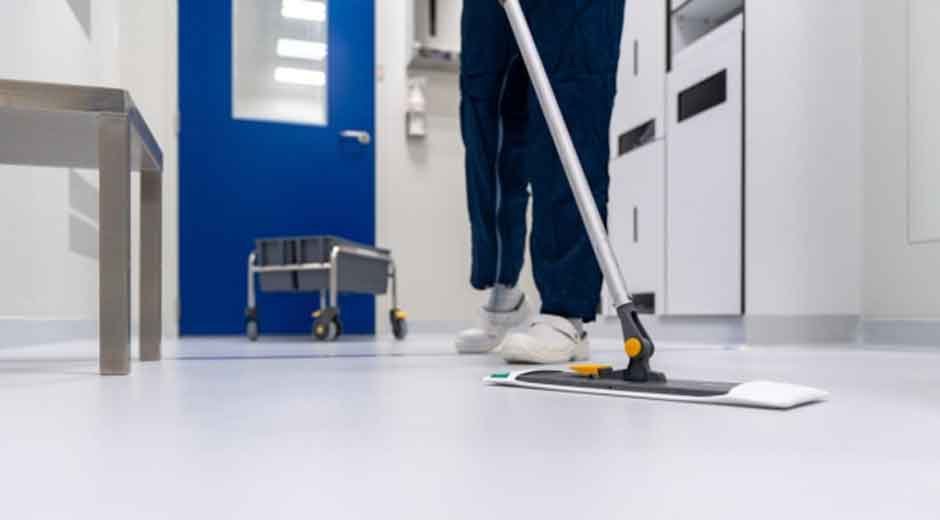
Professional office cleaning does far more than shine surfaces. It supports health by reducing exposure to germs, strengthens productivity by eliminating visual and physical clutter, and sends a clear signal that the organization respects the people who work and visit there.