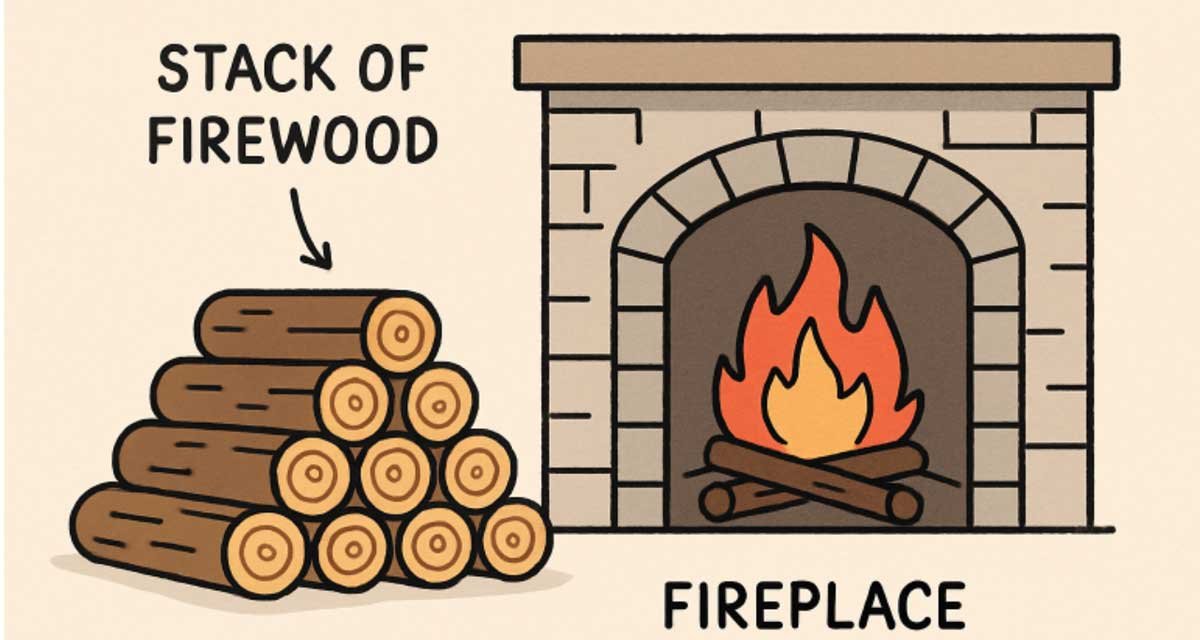
When winter arrives and temperatures plunge, the warmth and charm of a real wood fire can be one of the true joys of home life. To maximize comfort, efficiency, and safety, it’s essential to follow the right approach to preparing and using firewood. With the correct techniques, you can reduce risk, minimize emissions, and enjoy a cozy home throughout the colder months.
Whether you use an indoor wood stove or an open fireplace, understanding which wood to burn, how to season it, and how to handle burning waste can make a dramatic difference in both heat output and air quality. Choosing the right fuel and taking care of its storage keeps both your family and the environment safe.
Burning wood is an age-old tradition, but today’s standards and recommendations add science and modern safety to the mix. Learning to store, season, and ignite the proper logs will help you get the most out of each fire—even saving money on heating costs along the way.
As you prepare for a season of fireside relaxation, you’ll also be protecting your home by learning what not to burn and how to maintain your chimney or stove for best results.
Choosing the Right Firewood
Firewood isn’t just firewood—different species deliver very different results. Hardwoods such as oak, hickory, and cherry are well-known for burning longer and generating more heat per log than softwoods like pine or spruce. Hardwoods also tend to leave less residue inside your chimney or flue, reducing the likelihood of hazardous creosote buildup. Avoid using wood that’s been treated, stained, or painted, since these can release harmful chemicals during combustion. Find comprehensive guides and additional recommendations on wood species selection from large organizations like the U.S. Environmental Protection Agency (EPA). Choosing the right type of firewood can improve both the efficiency and safety of your home heating. Additionally, properly seasoned wood will burn cleaner, saving money and minimizing your environmental impact.
Seasoning and Storing Firewood
The key to efficient, low-smoke fires is ensuring your wood is well-seasoned, meaning it has been dried to significantly reduce its moisture content. Fresh wood can contain up to 50% water by weight, which dampens flames, adds smoke, and wastes energy. To season wood properly, split your logs to speed up the drying process, stack them off the ground to promote air circulation, and cover only the top to keep rain out while leaving the sides exposed to fresh air. Aim for a minimum of six months seasoning time and check logs with a moisture meter, looking for readings below 20% for best results.
Safe Burning Practices
Fire safety should always be at the forefront of your mind when burning wood. Always keep flammable rugs, drapes, and other household items well clear of your stove or hearth. Only burn dry, seasoned wood; unseasoned (wet) logs emit more smoke and increase the risk of creosote in your chimney. Proper ventilation is crucial for preventing carbon monoxide from accumulating in living spaces. Check your appliance for optimal airflow and consider installing a dedicated carbon monoxide alarm for added protection. After each fire, shovel the cooled ashes into a sealed metal container and keep it far from your home or garage.
Environmental Considerations
Many homeowners are unaware that transporting firewood over significant distances can spread invasive pests, such as the emerald ash borer or the Asian longhorn beetle, which devastate local forests. Always purchase and use firewood from the same geographic area, ideally within a 10- to 50-mile radius. By avoiding the temptation to haul bundles from far away—or across state or city lines—you help protect native woodlands and control the spread of diseases. Experts note that even “clean” looking firewood can carry pests invisible to the naked eye. For more information, refer to the Associated Press article on preventing the spread of invasive pests. Taking these precautions not only safeguards local ecosystems but also ensures that future generations can enjoy healthy forests. Communities can collaborate to monitor and report infestations, thereby strengthening regional efforts to combat these destructive pests.
Avoiding Harmful Materials
Burning anything other than plain, untreated, seasoned wood can put your health and your chimney at risk. Steer clear of household garbage, food packaging, coated or pressure-treated lumber, and driftwood—all of which can emit noxious fumes or clog the appliance with sticky or corrosive deposits. Also, avoid logs that are moldy, green, or rotting, as they’ll produce excessive smoke, unpleasant odors, and lower heat output. Stick only to natural firewood and avoid burning “easy fire” shortcuts such as lighter fluid or accelerants.
Monitoring and Maintenance
Consistent maintenance helps prevent fire hazards, ensuring each burn is as safe as possible. Schedule an annual chimney inspection and sweeping to check for creosote deposits or blockages. Inspect the structure of your fireplace or wood stove for cracks or warping and respond to any signs of damage immediately. Lastly, test smoke and carbon monoxide alarms monthly and replace batteries regularly so you’re always protected.
Conclusion
By following these firewood tips and best practices, you’ll enjoy efficient, safe, and eco-friendly heat all winter long. Careful selection, proper seasoning and storage, vigilant safety measures, and routine maintenance combine to reduce home heating costs and risks while creating a warm atmosphere for everyone to enjoy. Stay informed and proactive, and every fire you light will be a source of comfort and peace of mind.