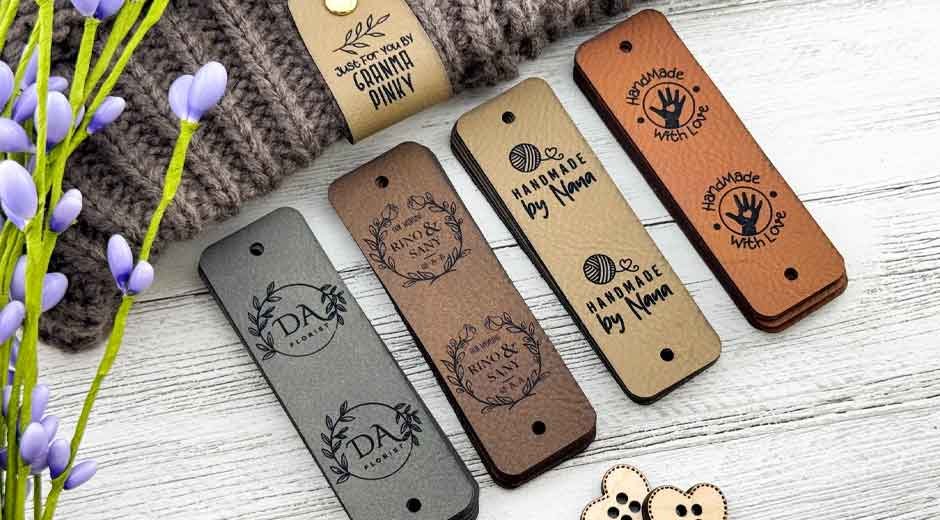
Knitters can seamlessly elevate their projects by using a desktop laser engraver to create custom leather patches, wooden tags, and buttons that sew directly onto hats and scarves—no changes to the knitting process required. These laser-engraved details, featuring names, care instructions, or logos, instantly turn handmade items into polished, gift-ready pieces that stand out on Etsy or at craft fairs. Best of all, this all-purpose tool supports multiple creative passions; the same machine that makes knitting labels can also craft baking accessories like engraved rolling pins, delivering high-precision results on leather and wood without the need for a cluttered workspace full of single-use gadgets.
Why Knitters Are Turning to Laser Engraving in 2026
Picture a modern crafter , finishing a cozy cable-knit beanie. The stitches are perfect, the texture is beautiful, and the yarn color is exactly right. But something’s missing—that polished, boutique-quality finishing touch that makes handmade pieces look as professional as items found in a high-end store.
This is exactly why knitters are discovering laser engraving as the next step in their creative life.
The trend of pairing yarn crafts with digital tools has been building for years. Just as Ravelry transformed how we discover and share patterns, laser engravers are becoming another creative tool in the modern maker’s room. The combination of traditional handcraft and modern precision isn’t about replacing the art of knitting—it’s about adding a professional layer that elevates your creations without changing your core process.
Small, engraved touches can immediately raise the perceived value of handmade pieces. A leather patch with your brand name, a wooden tag engraved with care instructions, or a custom button with a meaningful icon transforms a beautiful knit into something that looks ready for boutique shelves. Crafters commonly report that adding these finishing details to their items can justify price increases of 30-50% when selling at markets or online.
From Yarn to Wow: How Laser Engraving Integrates into Your Workflow
Integrating a laser engraver into your knitting flow isn’t just about adding a logo at the end; it’s about creating bespoke hardware that perfectly matches your textile.
Instead of searching for store-bought buttons that are the “wrong shade” or tags that are “too big,” a desktop laser allows you to manufacture finishing touches that are physically tailored to your specific garmentWith tools like TOOCAA Studio, you can visualize exactly where these holes will land before you cut.
Matching Scale to Gauge: Have a chunky super-bulky knit? You can cut extra-large, thick wooden buttons that won’t get lost in the fabric. Knitting a delicate lace shawl? Engrave a tiny, lightweight veneer tag that won’t weigh down the drape. The machine lets you resize accessories to the millimeter to match your gauge.
Engineered for Attachment: The “integration” is literal. The laser doesn’t just cut the shape; it pre-cuts precise stitching holes directly into leather or wood. This means your needle glides through effortlessly, allowing you to sew branding onto hats and cowls without struggling to punch through tough materials manually.
Designing Laser Engraved Leather Patches for Knitted Projects
Leather patches represent the fastest way to upgrade scarves, hats, and sweaters without changing a single stitch in your knitting pattern. With the right design, a small patch transforms everyday knits into pieces that look designed for a boutique.
Recommended Patch Sizes
Matching your patch size to your project ensures the addition feels intentional rather than overwhelming:
1×1 inch squares: Perfect for hat fronts or small accessories
1×2 inch rectangles: Ideal for fold-over scarf tags
1.5×1.5 inch squares: Great for blanket corners or larger garments
0.75 inch circles or shapes: Subtle additions for fingerless mitts or socks
Text Ideas That Work
The best patch text is simple, readable, and meaningful. Consider these approaches:
Handmade with Love by Name
Care instructions: “Hand wash cold · Dry flat
A minimalist brand name or initials
Location-based branding: Knitted in [City]
A special date commemorating when the piece was made or gifted
Icons and Graphics
Small icons can reflect your personal style or the piece’s purpose. Popular choices include:
Ball of yarn with trailing strand
Crossed knitting needles
Mountain silhouettes for outdoor-inspired pieces
Hearts for gifts made with love
Paw prints for pet sweaters
Snowflakes for winter collections
The TOOCAA L2’s engraving precision allows you to use thin sans-serif and script fonts on small patches while keeping every letter legible. Even delicate designs with 0.03 mm line intervals can render clearly, so you’re not limited to chunky block letters.
Choosing Leather Colors
PU leather and genuine leather in neutral tones work best because they visually contrast against popular yarn colors:
Tan and camel: Beautiful against navy, burgundy, and forest green yarns
Dark brown: Classic pairing with cream, oatmeal, and gray knits
Black: Modern look that works with bright colors and pastels
When you view your finished pieces together as a collection, consistent leather choices across all your favorites create a cohesive brand identity that clients and gift recipients will recognize.
Conclusion
Combining traditional knitting with modern laser engraving turns everyday projects into distinctive, gift-ready items that reflect your personal craftsmanship. The simple addition of an engraved leather patch or wooden tag carries your work from “handmade” to “professionally finished” without changing the knitting process you love. To explore the tools that make this transformation possible—from cutting precise stitch holes to engraving custom buttons—discover how desktop laser engraver technology can seamlessly become your new favorite knitting accessory.