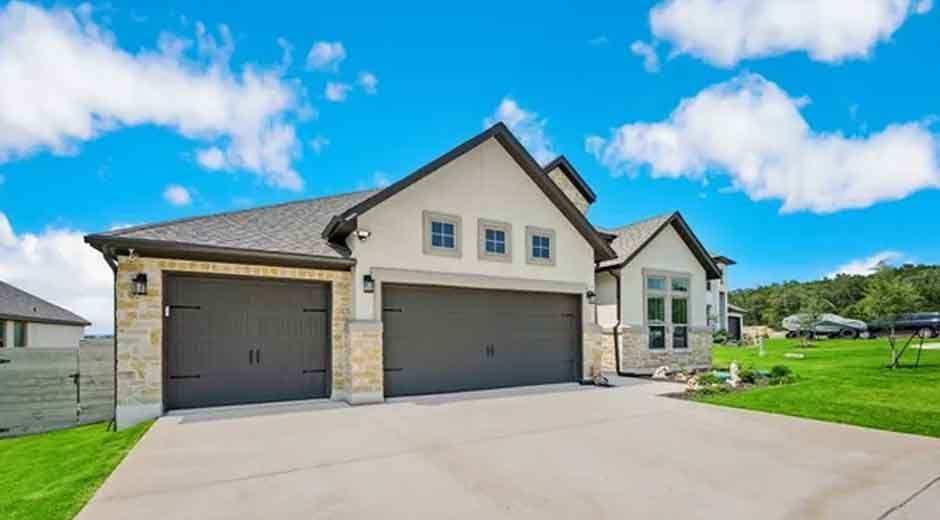
A driveway is one of the first things people notice when they see a home. It frames the front yard, guides the eye to the door, and sets the tone for everything else. When it is cracked or stained, the whole place feels tired. When it is clean and well designed, the house seems cared for and welcoming. Concrete gives a fast, strong way to lift that first impression without turning the yard into a long project.
Why concrete makes a strong first impression
Concrete looks neat even before any fancy finish is added. The surface sits flat, lines stay straight, and edges can be trimmed so grass does not creep over. It matches most house styles, from brick to siding to stone. When poured well, it carries cars and bikes without wobble, and it holds up in heat and cold. That strong base means fewer ruts, fewer weeds, and fewer surprise trips to patch holes.
Color and texture options help it stand out. A simple broom finish gives grip and a clean look. A light wash can reveal small stones for a more natural feel. Stamping can copy the look of brick or slate without dealing with loose pieces. These choices shift the mood from plain to polished while staying in the same material family.
Choosing finishes that fit the house
Before picking a pattern, think about the home’s shape and color. A bright house may pair well with a soft gray slab so the driveway does not compete with the facade. A darker house might benefit from a warmer tint to keep the front yard from feeling heavy. Borders help too. A narrow band in a different texture can frame the driveway the way a mat frames a photo. It looks small on paper but makes a big visual difference.
For ideas and photos of real projects, browsing Viking Concrete can help narrow the options and show how different finishes look once they are cured and sealed.
Design moves that boost curb appeal
Small layout choices change how a driveway feels. Slight curves soften a straight facade and guide guests toward the front entry. A widened apron near the street gives easier turns and also makes the property look more open. A clear walkway from driveway to front door keeps shoes clean and directs visitors without extra signs or lights. If the garage sits close to the house, a simple scored grid or saw-cut pattern can break up a large slab so it reads as design, not just pavement.
Think about edges too. A beveled or rounded edge resists chips from snow shovels and keeps lines crisp. Where tires roll off into grass, a low concrete curb helps stop soil from washing onto the slab during storms. These details add up to a cleaner look every day.
Drainage that protects the investment
Water is the main enemy of any driveway. A proper slope moves rain away from the house and toward a safe outlet. Expansion joints allow the slab to shift a tiny bit with heat and cold so cracks do not spread. In areas with heavy rain, a simple trench drain at the garage can grab water before it gets inside. Good drainage is not flashy, but it keeps stains, puddles, and freeze damage from stealing attention from the rest of the home.
What to expect during installation
A good pour starts with solid prep. The crew removes soft soil and lays a compacted base so the slab will not settle. Forms set the shape. Rebar or wire mesh ties the slab together for strength. Concrete arrives ready to place, then workers spread, level, and finish it while it is still workable. Timing matters. Too soon, and the surface tears. Too late, and the finish gets rough. Joints are cut after the surface can handle it, guiding small cracks to hide in straight lines.
Curing is the quiet stage most people forget. Concrete keeps gaining strength across several weeks, with a standard full cure around 28 days. Light foot traffic is often fine after a short period, but heavy vehicles should wait until the mix reaches safe strength. This patience pays off for years.
Budget choices that still look great
Costs shift with size, thickness, site access, and finish choices. Stamped patterns and color add time, which adds money. A straight broom finish, done well, still looks sharp and professional, and it fits most budgets. If the whole driveway cannot be replaced right now, a partial replacement or a new apron near the street can make the front view feel fresh. A clean border, a small curved section by the walk, or a matching front step can also upgrade the look without touching the entire slab.
Concrete often costs less than stone pavers and more than gravel. The difference shows up in day-to-day use. Gravel tracks into the garage and needs raking. Pavers look great but can settle or grow weeds between joints if not maintained. A poured slab splits the difference: clean look, simple care, long life.
Simple maintenance that keeps the glow
Concrete rewards a small routine. Rinse dirt and leaves before they stain. Clean oil spots when they happen so the marks do not set. Reseal the surface every few years to resist water and road salts. Avoid harsh de-icers in winter, since those can damage the surface. Use sand for grip when it is icy. Keep heavy planters on small risers so water does not get trapped between the pot and the slab. These habits protect color, texture, and long-term strength.
Safety and comfort details people notice
Grip matters, especially when it rains. A broom finish gives steady traction. In hot regions, lighter colors reflect heat and stay more comfortable underfoot. Good lighting along the drive and near steps helps guests feel safe at night. Low lights along the edges look calm and help drivers park without leaving tire tracks on the lawn. House numbers painted or inlaid near the street help visitors and delivery drivers find the address on the first pass.
Common mistakes to avoid
Skipping the base or compacting it poorly leads to settling that no sealer can fix. Rushing the cure invites tire marks and surface damage. Forgetting expansion joints invites random cracks across the face of the slab. Directing water toward the house can cause leaks or basement issues. Overloading the slab with parked dumpsters or construction materials can leave permanent dents. Planning for these risks takes more time at the start but saves money and stress later.
How a driveway upgrade lifts the whole property
A fresh driveway does more than provide a place to park. It frames the lawn, makes the walkway easy to follow, and shows care from the curb to the door. Real estate agents often talk about curb appeal because buyers and guests form quick opinions. A clean, well-finished driveway sets a positive tone before anyone steps inside. Even if selling is not the plan, the daily view when turning into the property feels better with a driveway that looks and works the way it should.
Key takeaways and next steps
A strong driveway upgrade starts with a clear plan. Pick a finish that matches the house, set the layout for easy turns and safe walking, and make drainage a priority. Expect a careful prep and a patient cure. Keep up with simple cleaning and sealing so the surface stays bright and solid. With those steps in place, the driveway does what it should do every day: look good, carry the load, and make the whole home feel put together. When ready, measure the space, gather a few design photos, and outline must-haves. That short checklist will make the next conversation with a contractor faster, clearer, and far more likely to end with the driveway everyone notices for the right reasons.