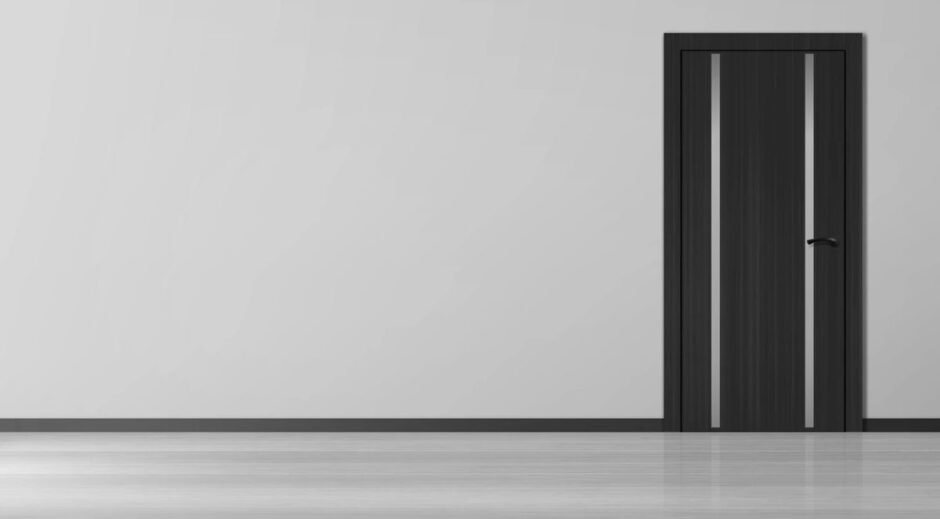
Doors with frames are the “whole package” that makes an interior door feel solid, align correctly, and close the way it should. People often focus on the door leaf first—but in real life, the frame (and how it’s installed) determines whether you get smooth operation, tight gaps, and a finished look around the opening. On Triodoors product pages, many interior door units are described as a set that includes a door leaf with an MDF core and an MDF telescopic door frame, which is exactly the kind of ready-to-spec combination homeowners want when they’re aiming for predictable results.
What “with frames” actually means and why telescopic frames are popular
A door with frame typically means you’re buying the door leaf plus the surrounding frame system that attaches to the opening and supports hinges, hardware alignment, and finishing trims. In modern interior projects, telescopic frames are popular because they help the installer compensate for wall thickness variations and create a neat, consistent reveal on both sides.
Why this matters in a renovation: walls are rarely perfectly straight, and openings aren’t always identical across rooms. A telescopic frame gives you extra flexibility to get cleaner lines without overbuilding the opening.
Common reasons homeowners choose doors with frames as a complete set:
- More predictable installation (leaf + frame designed to work together)
- Cleaner finishing around the opening (especially when you’re updating baseboards and trims)
- Better long-term stability when the frame geometry is correct from day one
Triodoors listings for multiple models repeat the same structure—door leaf (MDF core) + MDF telescopic door frame—showing that “complete door unit” approach is standard across many of their interior door options.
Frames, finishes, and the look: getting the style right without surprises
The frame is not just structural—it’s visual. It creates the boundary line between wall and door, and that line can look modern and minimal or classic and pronounced depending on the profile and finish.
A practical way to choose the finish is to decide what you want the door to do in the room:
- If you want the door to blend into the interior, matte painted systems are a strong choice. Triodoors notes matte paint options with RAL/NCS color references on some door pages, which helps when you’re matching walls, cabinetry, or trim palettes.
- If you want warmth and texture, natural fine wood veneer can add a premium feel. Triodoors lists veneer finishes on some models in the Dooris range.
- If your priority is a “clean white / soft neutral” interior, some models mention standard colors (no surcharge) like snow white and ivory.
One important detail: a door that looks great online can feel “off” in the space if the frame line is too heavy (or too thin) for your wall style. In minimal interiors, slimmer profiles and quieter colors usually win. In classic interiors, a stronger frame line can look intentional.
Concealed frames vs. visible frames: when a hidden system makes sense
Not every project wants a visible frame. In modern homes, concealed (hidden) frames are used when you want a flush, architectural wall plane—especially in hallways or open-plan areas where visual calm matters.
Triodoors’ concealed-frame listing describes an Invisible Line concealed frame made of anodized aluminum and equipped with perimeter sealing, and notes it does not require additional painting on-site—useful details if you’re comparing standard framed doors to a concealed system.
On many Triodoors interior door model pages, you’ll also see the note “concealed system compatible,” which can be helpful if you want to mix standard framed doors in some rooms and concealed solutions in others while keeping a consistent door style.
A simple “where it works best” guide:
- Visible framed doors: bedrooms, bathrooms, offices, most standard openings (practical, familiar, easy to service)
- Concealed frames: minimalist interiors, feature corridors, spaces where you want doors to visually disappear into the wall
Buying smarter: measurements, room-by-room logic, and a cohesive catalog
The easiest way to waste money on doors is to order first and plan later. Before choosing doors with frames, confirm what matters:
- Opening size and wall thickness (especially in renovated homes)
- Swing direction (based on real furniture placement and traffic flow)
- Finish consistency (one palette across all rooms usually looks more expensive than a mix)
- Hardware strategy (handles and latches should feel consistent, not random)
Triodoors highlights a broader catalog that includes interior doors along with related interior elements like sliding systems, wall panels, and door handles—which makes it easier to build a unified look across the whole project instead of stitching parts together from different places. If you want a straightforward sourcing path—door leaf + frame + compatible options in one ecosystem—work with door suppliers Triodoors.ca and choose doors with frames that suit each room’s needs and your overall style direction.