Homes built for multiple generations need to work for people at different stages of life. A design that can adjust over time makes it easier for families to live together comfortably. Features like safe layouts, functional kitchens, and reliable systems all contribute to a house that feels welcoming and practical.
In areas like Whiteland, many families often look for homes that can grow with them. A property that supports grandparents, children, and working adults under one roof offers stability. Thoughtful design meets today’s needs while also making the home useful and comfortable for years to come.
Let’s explore more on this below:
Strong Structures
A home that lasts begins with dependable construction. When the structure is strong, families can feel confident knowing the house will stand up to daily use and changing conditions. This includes walls, foundations, and especially the roof, since it protects everything inside from weather and wear. A strong roof creates peace of mind, and in this way, homeowners can focus on day-to-day living rather than constant repairs.
Working with a roofing company in Whiteland is an important part of building and maintaining this strength. A roof that is installed correctly and maintained over time helps protect the entire house. Investing in quality roofing adds durability and keeps the home reliable for every generation living there.
Accessible Entrances
An accessible entrance makes it useful for everyone. Features like wider doorways, smooth walkways, and step-free entryways support comfort for children, adults, and older family members. Such small design choices reduce barriers and make moving in and out of the home simpler for all.
Accessibility also adds to long-term usefulness. Families don’t need to worry about redesigning or making major changes as needs shift. A welcoming and safe entrance keeps the home practical for years, making it easier to support relatives of all ages under one roof.
Kitchens for Gatherings
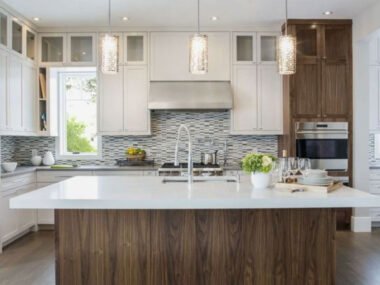
The kitchen often serves as the center of family life. It’s where meals are prepared, conversations happen, and time is shared. A kitchen that is spacious and functional allows multiple people to cook and spend time together without feeling crowded. This design encourages interaction and creates opportunities for connection.
Practical layouts also matter. Large counters, easy-to-reach storage, and open areas for seating allow the kitchen to work well for big and small gatherings. When designed with flexibility in mind, the kitchen becomes a place where memories are built.
Sound Management
Sound can have a strong effect on comfort, especially in a household with many people. A noisy environment can create stress, while a well-managed sound environment feels calmer. Materials like carpets, curtains, and sound-absorbing panels can help keep noise under control.
Thoughtful room placement also contributes to sound management. Keeping bedrooms away from busier areas or adding quiet zones makes the home more comfortable. When noise is reduced, it’s easier for everyone to relax, focus, or rest, which benefits all generations living together.
Energy Efficiency
Energy efficiency plays a crucial role in keeping a home practical for long-term living. Systems that reduce energy use make the house more affordable to run and more comfortable throughout the year. Heating, cooling, and insulation all work together to maintain steady indoor conditions.
Upgrading to modern, efficient systems saves money over time and lowers the strain on the home. Families benefit from consistent comfort without high energy bills. All in all, this makes energy efficiency a smart choice for households supporting multiple generations.
Bathrooms for All Ages
Bathrooms are one of the most important areas to design for all ages. Simple features like walk-in showers, grab bars, and non-slip flooring make them safer and easier to use. Updates like these support both young children and older adults.
When bathrooms are built with comfort and safety in mind, they remain useful for years. Families don’t need to make constant changes or upgrades, and everyone has a space that works for their needs.
Work and Rest Zones
A home that supports many generations needs spaces for both activity and rest. Separate zones make it easier for people to focus on their tasks without interruption. Work areas can handle jobs, homework, or projects, while rest areas remain calm and quiet.
This balance helps households run more smoothly. With different areas serving different purposes, the home supports daily routines without conflict. Everyone has space to focus on what matters most to them.
Safe Stairways
Stairways are used daily, and safety should be a top priority. Features like sturdy railings, good lighting, and wide steps help prevent accidents. They protect both children and older family members.
A safe stairway also adds confidence when moving through the home. Families know that all members can move around comfortably without worry. It’s one reason why stairways are an important part of designing a home for multiple generations.
Caregiving Spaces
As families grow, some households need to support caregiving. A flexible room that can be used for this purpose provides comfort for those receiving care and convenience for caregivers. Privacy, easy access, and enough space are all important.
Caregiving spaces also make it possible for relatives to remain at home instead of moving elsewhere. This strengthens family bonds and adds value to the home as a place that can adapt to life changes.
Everyday Technology
Technology is now a normal part of home life. Features like smart thermostats, automated lighting, and home security systems make daily routines simpler. Most importantly, they support both convenience and safety.
For multi-generational homes, technology can also make communication streamlined. Systems that can be controlled remotely help families stay connected and manage the household more effectively.
Outdoor Spaces
Outdoor areas add another layer of comfort to family living. Patios, gardens, or seating areas give households more space to spend time together. These areas also provide opportunities for activities and relaxation.
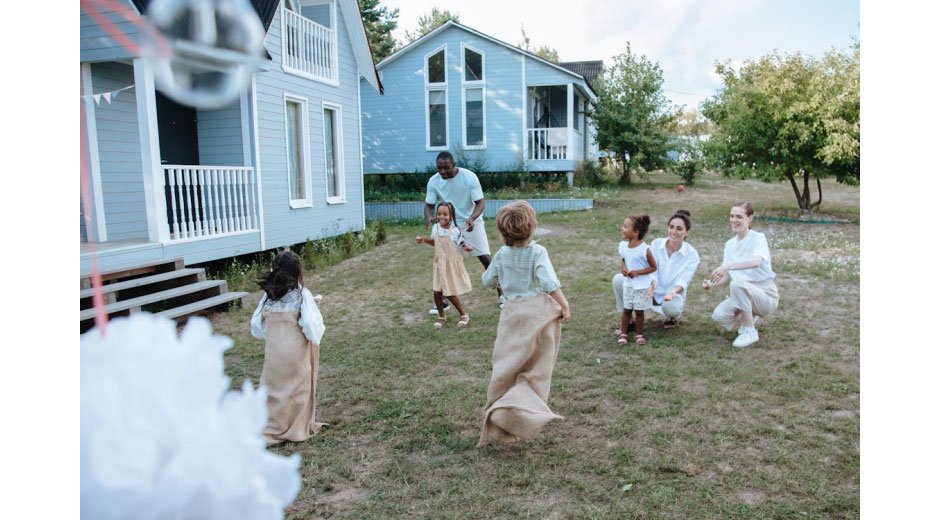
Well-planned outdoor spaces encourage connection. Whether it’s family meals outside, children playing, or older members enjoying fresh air, the outdoors supports daily life in simple but meaningful ways.
Homes designed for multiple generations need features that work for everyone. From strong structures and safe stairways to kitchens, bathrooms, and outdoor areas, each part of the house contributes to comfort and stability. When homes are built with flexibility and practicality, they can serve families well for many years.