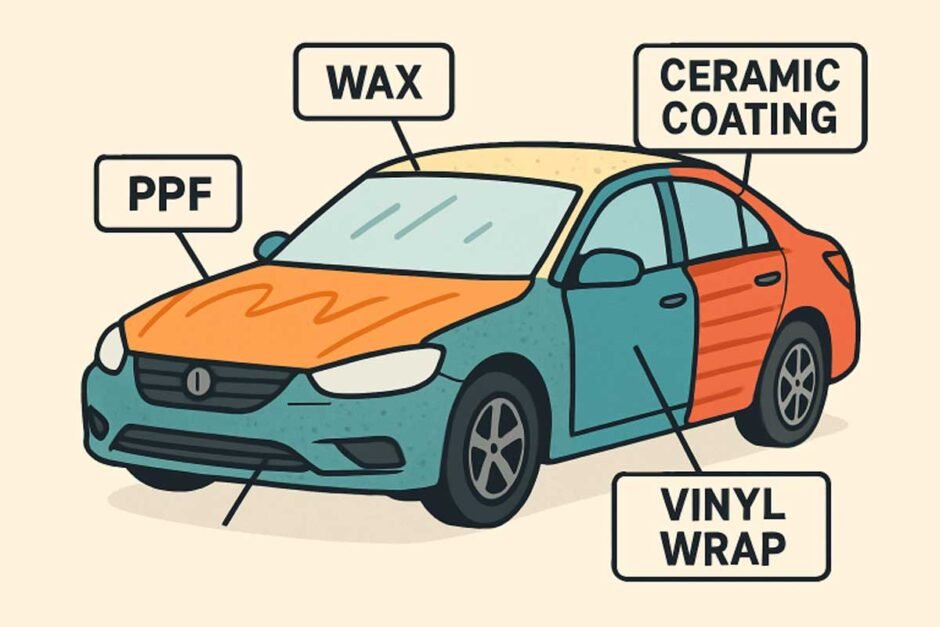
Preserving your car’s paint keeps it looking fresh and helps maintain its value over time. With regular exposure to the elements, your vehicle’s finish is subject to hazards such as UV rays, road debris, and harsh chemicals. Selecting the right car paint protection method can help guard your vehicle against these threats, making maintenance easier and the finish more resilient.
Understanding the various paint protection methods ensures you can make an informed choice based on your needs, preferences, and budget. Whether you drive every day or only on weekends, knowing the benefits and drawbacks of each option empowers you to invest wisely in your vehicle’s care.
Investing in the right protection method offers peace of mind, reduces long-term upkeep, and enhances your vehicle’s appearance. Factors such as the application process, expected durability, and ongoing maintenance requirements should all play a role in your decision-making.
Additionally, the range of automotive paint protection products and services available today continues to expand, giving car owners both flexibility and more tailored solutions.
Waxes and Sealants
Waxes and sealants represent the most traditional approaches to car paint protection. Waxes typically made from natural ingredients, such as carnauba, are favored for their ability to deliver a warm, glossy finish. However, their protection tends to be short-lived, often requiring reapplication every few weeks or months, depending on use and weather conditions.
Synthetic sealants differ from waxes by using advanced polymers to create a stronger, longer-lasting shield. These products bond more effectively to painted surfaces and provide extended protection against environmental threats such as road salt, acid rain, and bird droppings. Although they generally lack the deep shine of carnauba wax, sealants can protect your car’s finish for up to six months with minimal upkeep.
Pros and Cons of Waxes and Sealants
- Pros:Easy to apply at home, affordable, and available in most auto stores.
- Cons:Require frequent reapplication and offer limited resistance to scratches and intensive contaminants.
Ceramic Coatings
Over recent years, ceramic coatings have gained popularity among car enthusiasts seeking long-term protection. These coatings use liquid polymers that chemically bond to the vehicle’s paint at the molecular level, forming a hard, glass-like shell. The result is a smooth, highly hydrophobic surface that repels water, mud, and road grime while also providing superior resistance to harmful UV rays and chemical staining.
With proper application and care, some professional-grade ceramic coatings can last two to five years, dramatically reducing the frequency of waxing or detailing. Their slick finish also makes routine washing easier, as contaminants are less likely to stick to the treated surface. For optimal protection and appearance, ceramic coatings are best applied by professionals, as improper use may yield subpar results.
Paint Protection Film (PPF)
Paint Protection Film, often referred to as PPF, is a transparent, thermoplastic urethane sheet professionally applied to a vehicle’s surfaces. Originally developed for military and aviation needs, today’s automotive PPF is celebrated for its ability to shield paint from chips, scratches, and stains caused by road debris or insects. Some products feature self-healing properties, allowing minor scratches and swirl marks to vanish when exposed to heat from the sun or an engine.
PPF is most commonly installed on high-impact zones such as bumpers, hoods, side mirrors, and door edges, though complete vehicle wraps are increasingly popular. While it provides unmatched protection against physical abrasion, its cost and installation complexity are higher than those of waxes and ceramic coatings.
Key Advantages and Drawbacks of PPF
- Advantages: Durable, nearly invisible, and self-healing.
- Drawbacks: Higher upfront cost, should be installed by trained professionals, and may require eventual replacement.
Vinyl Wraps
Unlike protective films, vinyl wraps primarily serve as cosmetic enhancements, offering a way to change a vehicle’s color or finish without a permanent paint job. However, clear vinyl wraps, also known as clear bra films, offer a secondary benefit by protecting the original paint from minor scrapes, UV rays, and environmental hazards.
Vinyl wraps are available in a variety of finishes, ranging from matte and satin to metallic. Their lifespan is generally shorter than that of ceramic coatings and PPF, often requiring replacement every 3 to 5 years. The ease of removal, though, makes them an appealing option for those interested in frequent style changes.
Vinyl Wrap Considerations
- Benefits: Customizable appearance, reversible, and modest protective capability.
- Limitations: Less durable protection and can be prone to tearing or peeling if not properly maintained.
Choosing the Right Protection
When evaluating which paint protection method best suits your needs, weigh the importance of cost, application difficulty, desired durability, and the level of maintenance you are comfortable with. Daily drivers in harsh climates may benefit more from robust solutions like PPF or ceramic coatings. On the other hand, enthusiasts who enjoy frequent detailing or changing up their car’s look may lean toward waxes, sealants, or vinyl wraps.
It is also important to factor in professional applications for advanced products. Incorrect installation of PPF or ceramic coatings can hinder their performance. For comprehensive advice, consulting a reputable detailing service can help tailor a protection plan based on your driving style and local conditions.
Protecting your car’s paint pays dividends in terms of appearance and resale value. By understanding each product’s pros and cons, you can select the right defense for your vehicle’s unique needs. Consistent care and informed choices will ensure your car remains a source of pride for many years.