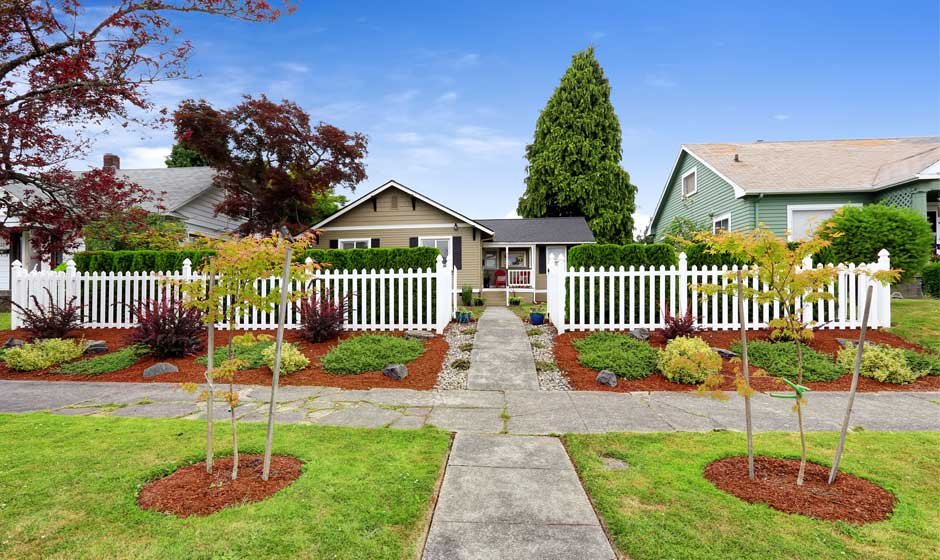
Enhancing your home’s curb appeal involves more than selecting the perfect fence design—it’s also about choosing a protective finish that maintains the attractiveness and durability of your investment. The right finish not only complements your landscaping and architecture but also shields your fence from daily exposure to sun, wind, and rain. Consulting a professional fence painting contractor can help you navigate the numerous options for finishes, ensuring that your fence remains a beautiful and functional boundary for years.
Selecting the best finish for your fence impacts the overall value and appearance of your property. Whether you’re aiming for a natural wood look, a burst of color, or a modern metal effect, the finish will dictate not just aesthetics but also the amount of future maintenance your fence requires.
Understanding the Importance of Fence Finishes
Your fence serves as the frame for your property, setting the tone for visitors and passersby. Beyond appearances, a high-quality finish serves as a vital shield, protecting wood from rot and insect damage and preventing metal from succumbing to rust. This dual benefit-visual enhancement and functional protection-makes choosing the right finish an investment in your property’s future. For homeowners looking to make a lasting investment in their property, especially with durable options like vinyl fencing, finding a reliable Denver vinyl fence company, for instance, is crucial for expert installation and long-term value. The appropriate fence finish also reduces long-term repair expenses. Finishes are designed to form barriers against adverse conditions, ranging from heavy downpours to harsh UV rays. Ultimately, a bright finish selection extends the lifespan of your fence while requiring less frequent major repairs.
Types of Fence Finishes
Wood Stains and Sealants
Wood remains a timeless choice for homeowners seeking warmth and flexibility in style. Stains accentuate the natural grain, highlighting the character of each board. Transparent stains maintain the wood’s original hue, while solid stains create a more uniform appearance. Sealants, on the other hand, are typically clear, providing a protective barrier against water, mold, and UV radiation from the sun. Many professionals recommend applying both stain and sealant to strike a balance between beauty and weather resistance. For more on wood fence care, see these maintenance tips from HGTV.
Paint
Painted fences provide a bold, customizable look. Exterior paints offer protection against the elements by forming a thick coat that blocks moisture and UV rays. Advances in paint technology have enhanced resistance to cracking and peeling; however, regular checks for chips or fading are still crucial. The flexibility in color options allows homeowners to easily match or accentuate their home’s architecture.
Powder Coating for Metal Fences
Powder coating is ideal for metal fences, such as those made from aluminum or wrought iron. The process involves applying a dry powder that is cured under heat, resulting in a scratch-resistant, corrosion-proof layer. Powder coats do not require frequent recoating and are available in a wide array of colors and textures. The robust finish makes this option popular for both aesthetic variety and long-term protection from rust and wear.
Vinyl Coatings
Vinyl fences are renowned for their low maintenance requirements. The color is baked into the panels during manufacturing, meaning they don’t require painting or staining. They are impervious to rot, pests, and UV damage, maintaining their fresh look for years with only an occasional wash. Vinyl’s durability makes it a wise investment for those seeking a hands-off approach to fence care. According to The Spruce, vinyl fencing also resists moisture and doesn’t splinter, warp, or blister over time, making it an attractive option for long-term outdoor use.
Maintenance Tips for Prolonging Fence Life
Even the most durable finishes need a little care to maximize their lifespan. Some basic upkeep includes:
- Regular Cleaning:Gently wash away dirt and buildup using mild soap and water. Pressure washers can help, but use them sparingly to avoid causing damage, especially to wood or painted surfaces.
- Routine Inspections:Make it a habit to inspect your fence a few times a year for peeling paint, spots of rust, or signs of rot. Catching issues early prevents minor damage from escalating into costly repairs.
- Reapplication Schedule:Follow the manufacturer’s recommendations for renewing paint, stain, or sealant. Most wooden fences need restaining every 2-3 years, while painted or powder-coated fences may last longer between touch-ups.
Choosing the Right Finish for Your Climate
Local climate conditions should guide your finish selection. In humid or rainy regions, opt for water-repellent finishes that prevent mold, mildew, and rot. If your fence is exposed to strong sunlight, use products with robust UV resistance to stop fading and structural breakdown. Consulting regional home improvement resources or local fencing professionals ensures that your chosen finish can withstand your area’s weather demands.
Eco-Friendly Finishing Options
Eco-friendly finishes help you protect your home—and the planet. Water-based stains and low-VOC paints release fewer harmful chemicals, supporting a healthier environment for your family and community. Many manufacturers now offer finishes made from recycled or renewable materials, perfect for those striving for sustainability in every aspect of their property.
Conclusion
The finish you select is the linchpin for both the look and longevity of your fence. By considering your fence material, the local climate, and your maintenance capacity, you can pick a finish that enhances curb appeal and keeps your investment sturdy for many seasons. For best results, partner with an experienced fence painting contractor and implement a regular care schedule to enjoy lasting beauty and value.