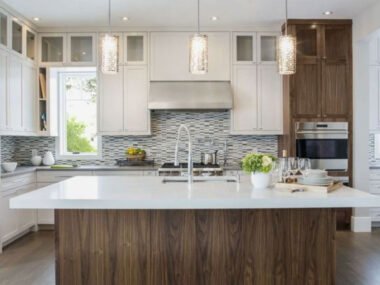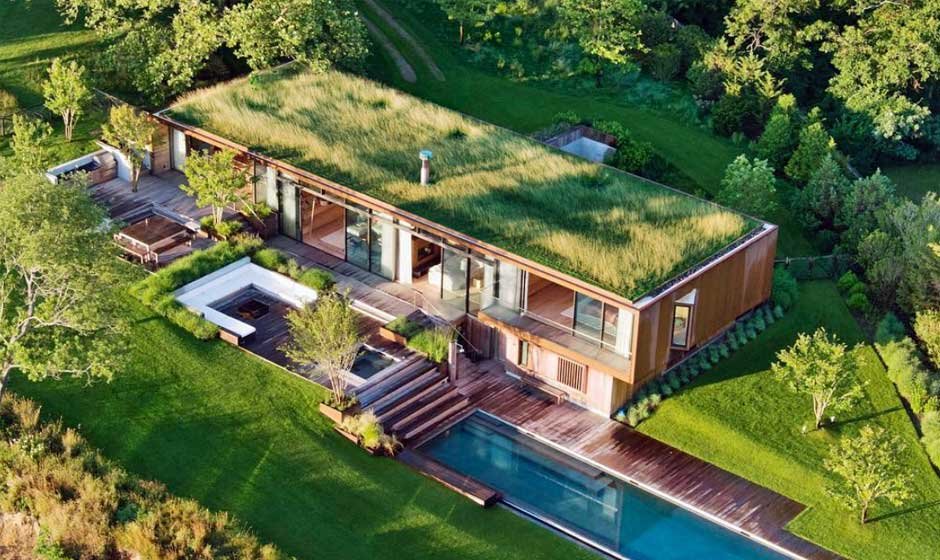
In an era where environmental concerns are becoming increasingly urgent, how can you create a home that’s both beautiful and eco-friendly? The secret lies in integrating sustainable practices with design elements, ensuring that your living space is as kind to the planet as it is to the eyes. By considering materials, energy efficiency, and space utilization, you can craft a home that reflects your personal style while supporting environmental sustainability.
Imagine a home that not only looks stunning but also leaves a smaller carbon footprint. Incorporating sustainable materials like bamboo or recycled wood not only adds unique textures and character but also reduces the demand for virgin resources. You also have the opportunity to explore energy-efficient appliances and solar energy options, which can reduce utility bills and lessen environmental impact.
Sustainable home design isn’t just about new construction; existing homes can be adapted too. By tapping into local resources and considering water-efficient landscaping, you increase your home’s sustainability without sacrificing its charm. This holistic approach enhances your living environment while contributing to a healthier planet.
The Heart of Sustainable Design
Designing homes that are both beautiful and environmentally friendly requires thoughtful planning and a deep respect for the planet. You’ll discover how sustainability intertwines with aesthetics, why it matters, and the importance of mindful material choices.
Why Planet-Friendly Design Really Matters
Embracing sustainable design principles means you’re playing an important role in reducing environmental impact. Homes contribute significantly to resource consumption and carbon emissions, which affect climate change.
By integrating energy-efficient appliances and sustainable architecture, you’re ensuring a healthier planet for future generations. These choices also positively impact your daily life by reducing utility costs and creating healthier living spaces.
Sustainable homes often foster a closer connection to nature, bringing natural light, air, and greenery into your living spaces. This not only enhances your comfort but can significantly improve your mental well-being. Eco-friendly designs help in creating a space where you can thrive while minimizing your environmental footprint.
Balancing Beauty and Sustainability
You might wonder if it’s possible to have a home that’s both stunning and sustainable. The answer lies in balancing design aesthetics with eco-friendly strategies. Thoughtfully incorporating elements like natural materials, energy-efficient lighting, and smart technology can create a seamless blend of style and sustainability. Stylish doesn’t mean you have to compromise on being green.
Consider investing in renewable energy sources for your home, like solar power, which can seamlessly integrate into your design. Solar innovations are aesthetically pleasing and cost-effective. This approach allows you to maintain beautiful surroundings while staying true to your eco-friendly commitments.
Choosing Materials With Soul and Purpose
In sustainable design, material selection is crucial. Opt for materials that are both beautiful and environmentally responsible. This might include reclaimed wood, recycled metal, or bamboo. Each choice carries a story that can give your space a unique, soulful character. Choosing these kinds of materials reduces the demand for new resources and lowers your environmental impact.
You’re also supporting industries that prioritize ethical sourcing and eco-conscious practices. By doing so, you create a home that reflects your values and aesthetics, all while contributing to a sustainable future. As more people make these choices, the collective impact can be significant, promoting change within the construction industry.
Practical Approaches to Eco-Conscious Interiors
Creating a home that harmonizes with the environment involves choosing elements that prioritize sustainability and energy efficiency. This includes embracing natural light, selecting sustainable furniture, and implementing energy-saving technologies.
Maximizing Natural Light and Ventilation
Natural light not only cuts down on electricity usage, but it also enhances the mood and atmosphere of your living space. Consider installing larger windows or skylights that allow sunlight to fill your rooms throughout the day.
Choose light-colored curtains or shades that reflect rather than absorb sunlight. The placement of furniture can also influence light flow, so position seating and other furnishings to reduce obstruction.
For ventilation, emphasize cross-ventilation by positioning windows on opposite or adjacent walls. This setup promotes a natural flow of air, which maintains air quality and moderates indoor temperatures. Strategic use of ceiling fans can further support air circulation, reducing the need for extensive air conditioning.
Sustainable Furnishings and Decor
When selecting furnishings, go for options made from recycled or renewable materials such as bamboo, reclaimed wood, or recycled metal. These materials lessen the environmental footprint and often add a unique character to your home. Look for certifications such as the Forest Stewardship Council (FSC) label to ensure wood products are sourced sustainably.
For decor, consider pieces that serve multiple functions, reducing the need for excess items. Opt for textiles like organic cotton or hemp for curtains and upholstery, which are produced with fewer chemicals. Upcycling or refurbishing vintage pieces not only preserves resources but also adds charm and personality to your space.
Innovative Energy-Saving Solutions
Incorporate energy-efficient appliances and smart home systems to minimize energy consumption. Look for appliances labeled with Energy Star ratings, which denote high efficiency. Smart thermostats can adapt to your schedule, thus optimizing heating and cooling to save energy. Installing LED lighting throughout your home is another simple yet effective step, as they use considerably less power and last longer than traditional bulbs.
Solar panels offer a long-term investment by harnessing renewable energy for your home. Though the upfront costs might be significant, the return through reduced energy bills and potential government incentives can be worthwhile. These technologies not only decrease your environmental impact but can significantly cut monthly utility costs.
Why Sustainable Home Design Matters Down Under
In Australia, adopting sustainable home design isn’t just an aesthetic choice — it’s a smart, practical decision. With the abundant sunlight many parts of the country enjoy, solar energy presents a powerful opportunity to cut down household energy costs and reduce environmental impact.
Programs from Solahart have shown that switching to solar can significantly lower electricity and hot-water bills, offering long-term savings for homeowners. With this in mind, for any Australian household aiming for a greener home, consider switching to renewable energy to enjoy lasting savings — especially when you combine energy-efficient appliances and thoughtful design choices.
Beyond energy, sustainable materials and smart water and light design help homes in Australia adapt to climate pressures while staying comfortable. Whether you live in a sunny coastal city or a high-sun inland region, building or retrofitting a home with eco-friendly choices supports both your lifestyle and the planet.
Nurturing a Greener Lifestyle at Home
Embracing a green lifestyle starts with everyday actions that are both simple and sustainable. By incorporating eco-friendly habits, conserving water, and enhancing biodiversity, you can create a home that supports the environment.
Inspiring Everyday Eco-Friendly Habits
Small changes can make a significant impact. Begin by reducing waste: opt for reusable shopping bags, and recycle whenever possible. Consider composting kitchen scraps to enrich your garden soil. Switch to LED bulbs to cut down on electricity usage. These bulbs use less energy and last longer, saving money and reducing your carbon footprint.
In the kitchen, limit single-use products. Use cloth napkins and biodegradable dishwater scrubs. Encourage family members to unplug devices when not in use. Even small children can participate in energy-saving activities, turning planet care into a family mission.
Mindful Water Usage and Conservation
Water conservation is critical. Fix leaks promptly and install low-flow faucets and showerheads. In the garden, opt for drought-resistant plants that require less water and thrive in your local climate. Collect rainwater for irrigation; a simple rain barrel can supply water for your garden throughout dry spells.
In your daily routine, keep showers short and efficient. Only run dishwashers and washing machines with full loads. These small steps can lead to significant water savings over time, reflecting positively on both the environment and your utility bills.
Fostering Biodiversity in Your Living Space
Your home can be a haven for local wildlife. Plant native flowers and shrubs to attract bees and butterflies. Set up a bird feeder or birdbath, providing food and water sources for feathered visitors. Creating a small pond or wetland area, even in a container, can attract amphibians and insects, enhancing the ecosystem around your home.
Consider avoiding pesticides in your garden. Instead, embrace natural solutions that promote a healthy balance between beneficial insects and pests. A garden rich in biodiversity not only supports the planet but also brings life and vibrancy, turning your living space into a nurturing and lively environment.
Conclusion
Designing a home that’s both beautiful and environmentally responsible isn’t just achievable—it’s a meaningful way to live with intention. By choosing sustainable materials, embracing natural light, incorporating energy-saving technologies, and adopting greener daily habits, you create a space that reflects your values while reducing your environmental footprint.
Every mindful choice contributes to a healthier planet and a more harmonious home. When aesthetics and sustainability work hand in hand, you’re not just building a living space—you’re shaping a lifestyle that supports the world around you.