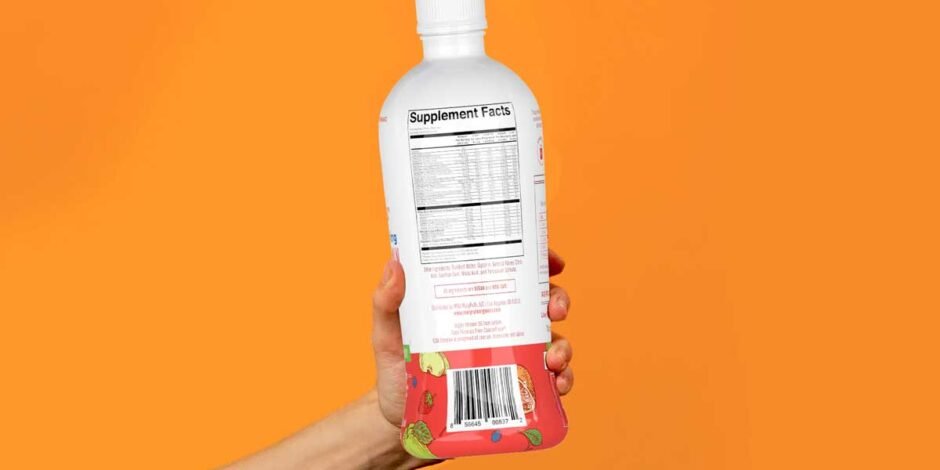
Supplement labels can feel dense at first glance, yet most of what you need to know fits into a few quick checkpoints. With a simple scan strategy, you can confirm what you are taking, whether the dose matches your goals, and if the product fits your dietary needs. The key is to focus on the highest signal items first, then dive into details only if something looks off. Here is a practical guide to evaluating any label in under three minutes.
Start With Serving Size and Form
Begin at the top of the Supplement Facts panel and find the serving size. This tells you how many capsules, gummies, or scoops equal one serving. It also anchors every amount listed below. If a label lists impressive numbers but the serving size is four capsules, consider whether that is realistic for your routine. Next, note the form: capsule, tablet, softgel, powder, or liquid. Form affects convenience and, for some nutrients, absorption. For example, oils often work well in softgels, while minerals are common in tablets or capsules. If taste or swallowing is a concern, powders or gummies may be easier to take consistently.
Check Active Ingredients, Amounts, and % Daily Value
Now scan the active ingredients column. For each nutrient, you will see milligrams or micrograms and a percent Daily Value. The amount tells you the exact dose per serving. The %DV shows how that dose compares to general daily recommendations for healthy adults. If the %DV is well over 100 for multiple nutrients, consider whether you need that much, especially for fat soluble vitamins where excess can build up. If the %DV looks low for your purpose, verify whether the product is meant to complement food intake rather than be a full one stop formula. For specialized goals, the absolute amount matters more than the %DV. Match the listed dose to the range your clinician has recommended.
Identify Ingredient Forms and Sources
Right next to the nutrient name you will often see the chemical form in parentheses. Forms matter because they can affect absorption and tolerance. For example, magnesium glycinate is often chosen for gentler digestion, while magnesium oxide is more compact but less bioavailable. With B vitamins, you may see methylcobalamin or cyanocobalamin for B12, and folate may appear as methylfolate or folic acid. Fish oil labels should specify EPA and DHA amounts rather than only total oil. Herbal products should note the part of the plant used and the extract ratio or standardized compounds when applicable. If a label is vague about forms or standardization, you have less clarity about what you are getting per dose.
Review Other Ingredients and Allergen Statements
Look beneath the active ingredients list for “Other ingredients.” This section lists capsule materials, sweeteners, flavors, binders, and stabilizers. If you are avoiding certain additives or prefer minimal extras, this is where you will spot them. Common capsule materials include gelatin or cellulose. For powders and gummies, scan for sugars and sugar alcohols if you monitor intake. Allergen statements typically sit near this section as well. Look for callouts about milk, soy, gluten, shellfish, tree nuts, and peanuts. If cross contamination is a concern, seek clear “free from” statements or products made in dedicated facilities.
Look for Quality Signals, Claims, and Directions
Flip your attention to the front and bottom of the label for quality indicators. Third party testing seals, such as NSF or USP, signal that an independent organization verified some aspect of identity, purity, or content. While not required, these marks can increase confidence. Claims should be realistic and consistent with the listed ingredients. Be cautious with vague promises or dramatic language. Finally, read the directions and warnings. Check timing guidance (with food or on an empty stomach), storage instructions, and any cautions about medication interactions, pregnancy, or medical conditions. If the label guidance conflicts with your clinician’s advice, follow clinical guidance or seek clarification.
Tailor Your Scan to Your Goal
Your purpose should shape what you prioritize on the label. If you are choosing a daily multi, focus on balanced doses and broad coverage without megadoses you do not need. If you are selecting a single nutrient, verify the exact form and amount that match your goal. If you are comparing formulas for specific life stages, align the label to known needs. For example, if you are evaluating prenatal formulas, many shoppers look for lists of important vitamins for prenatal needs, including folate, iron as appropriate, iodine, vitamin D, choline, and omega 3s, then confirm directions and tolerability with their clinician. The goal is not to stockpile products. It is to match what is on the label to your personal needs with confidence.
Apply a Two-Pass Method When Time Is Tight
When you only have a minute, use a two-pass scan. Pass one: serving size, total number of servings per bottle, and the top five nutrients or actives you care about most with their doses. Pass two: forms in parentheses, a quick look at other ingredients, an allergen check, and any quality seals or warnings. If both passes look good, you probably have a reasonable fit. If something triggers doubt, set the product aside and compare with a second option or note a question to ask your healthcare provider.
Common Red Flags Worth a Closer Look
A few patterns deserve extra scrutiny. Be cautious with blends that list many ingredients without specifying amounts per component. Proprietary blends can be fine, but if everything is buried in a single total milligram number, you cannot verify effective doses. Watch for ultra-high doses of stimulants or fat-soluble vitamins unless specifically guided by a clinician. If an herbal product lacks plant part, extract ratio, or standardization, consistency may vary between batches. Finally, if a product relies heavily on aggressive claims rather than clear facts on the Supplement Facts panel, treat it as a signal to compare alternatives.
Build a Simple System You Can Repeat
Consistency is more important than perfection. Keep a short checklist in your notes app: serving size, dose of target nutrient, form, %DV, other ingredients, allergens, directions, quality marks. Use it every time you compare products, online or in store. When you find a label that fits your needs and budget, save a photo and jot how it made you feel after a few weeks. That personal feedback, paired with a clear label scan, will guide better choices over time.
Conclusion
You can read any supplement label quickly by focusing on the parts that matter most: serving size, active ingredient doses and forms, other ingredients, quality signals, and directions. With a simple two pass scan and a short checklist, the dense text becomes a practical tool rather than a barrier. The result is a more confident decision in minutes, and a routine you can maintain with less guesswork.