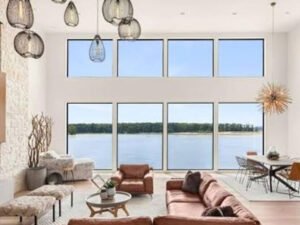
Creating a living environment that nurtures the whole person is one of the most effective ways to support senior well being. As adults age, their needs become more diverse and interconnected. Physical health, emotional balance, social engagement, and a sense of purpose all contribute to a fulfilling lifestyle. A holistic environment considers all of these elements, creating a setting where older adults can feel supported, valued, and comfortable. Communities that take this comprehensive approach often see greater resident satisfaction, improved mobility, and a stronger sense of connection among their residents.
The Role of Daily Experiences in Enhancing Fulfillment
A holistic environment pays attention to the everyday experiences that shape a resident’s quality of life. Natural light, accessible outdoor areas, comfortable common spaces, and opportunities for meaningful interaction all contribute to an atmosphere of ease and enjoyment. Even simple design choices, such as quiet reading rooms or inviting dining areas, can help seniors feel more at home. In communities such as NewSeasons at New Britain, these thoughtful touches help residents maintain both independence and confidence, creating a place where daily routines feel supportive rather than restrictive.
Prioritizing Emotional and Social Well‑Being
A strong sense of belonging is essential to emotional wellness. Seniors thrive when they have opportunities to build friendships, participate in group activities, and remain engaged with others. A holistic living environment provides structured and unstructured ways for residents to connect, from hobby groups to casual conversations in shared spaces. Creating a culture where residents feel welcomed and encouraged can reduce feelings of loneliness and isolation. This emotional support often translates into better physical health, as individuals remain more active and engaged.
Integrating Personal Choice Into Everyday Routines
Independence is crucial for older adults, and a holistic approach respects the preferences and routines of each individual. Giving residents the freedom to choose how they spend their time reinforces dignity and autonomy. Whether they prefer quiet mornings, active afternoons, or personalized wellness programs, flexibility can make a tremendous difference. Communities that focus on honoring personal routines create environments where seniors feel in control of their daily lives, which supports mental clarity and a greater sense of purpose.
Supporting Physical Health Through Wellness Options
Physical well being remains a major component of holistic care. A supportive environment offers accessible exercise opportunities, nutritious meals, and coordination with healthcare professionals. These elements help residents maintain mobility, manage chronic conditions, and stay active. When combined with emotional and social support, physical wellness programs help seniors enjoy a more vibrant lifestyle. The connection between body and mind becomes increasingly important with age, making this integrated approach vital.
Conclusion
A holistic environment that promotes senior well being pays close attention to every aspect of daily life. By supporting emotional, physical, and social needs, these communities create spaces where older adults can flourish. When seniors feel valued, connected, and empowered, they enjoy a higher quality of life and a deeper sense of fulfillment.