When faced with seemingly endless galleries, price points that range from prints to affordable originals to investment-grade pieces, and the need to make educated buying decisions, a new collector may freeze at the prospect of starting a collection. Yet most established collectors started precisely where novice collectors are today—with no idea what’s going to happen but a passion for art and a desire to support artists with more enthusiasm than smarts.
The best collections come together over time rather than through ambitious collections. This is not to say that collectors should buy aimlessly, but instead buy in their comfort zone and learn their tastes along the way, broadening them as they become educated about types of art and the nuances of art collecting.
Know What’s Attractive Before Making Purchases
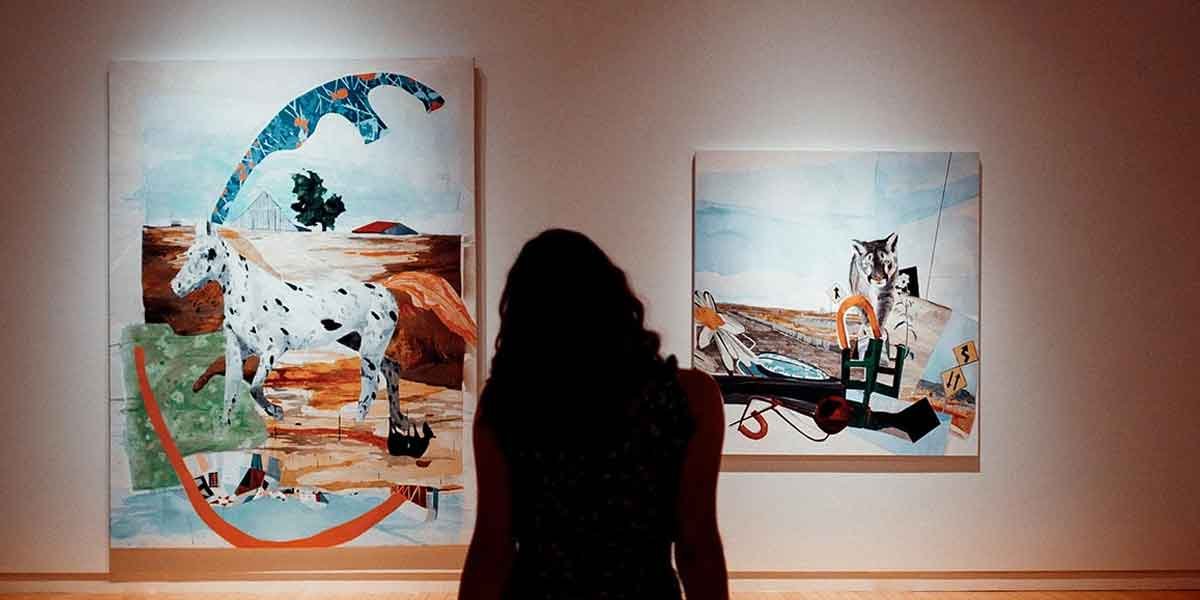
Before spending any money on art, spend time looking at art. Frequent local galleries, museums and fairs on a weekly or monthly basis. What’s standing out? What’s forgettable? What’s attractive about the pieces you’ve seen—color, texture, subject, blank space? Create an emotional response to figure out what constitutes a worthy purchase.
One major stumbling block for collectors is attempting to be ahead of the game regarding what they’ll purchase. For example, collectors perceive that they’ll want only investment-grade pieces or what’s trendy. While there’s merit in knowing the market for future, higher-priced purchases, most first-time buyers should assess what speaks to them over what others deem appropriate.
Get to know mediums as well—what they do well and how they differ. Paintings are textured with brushstrokes that a print cannot replicate. Photographs are documentaries that require technique. Sculpture creates depth with spatial relationships not available through 2D work. Each has its merits and appeal.
Know Realistic Budgets and Where to Buy
Effective collecting means assessing realistic budgets that factor in purchases now and sustained investments in the future. Too many first-time collectors make the mistake of only considering the artwork price without factoring the value of matting, framing, insurance and storage costs that add significant amounts per piece.
Learn how to buy small first. Buying originals may not be as unmanageable as one thinks—many galleries offer payment plans that make stretching an entry-level buyer’s budget more accessible—but it’s important to buy small at first anyway. Many regional galleries will excel over metropolitan markets; they’re run by established artists with great insight into certain artistic traditions while they’re still working artists themselves for transparency’s sake—meaning easier access for collectors.
Regional galleries and artist cooperatives often provide excellent value compared to major metropolitan markets. Places such as the Crystal Cabin Art Gallery demonstrate how specialized dealers can offer deep expertise in specific artistic traditions while maintaining direct relationships with working artists, ensuring both authenticity and fair pricing for collectors.
Online access comes at a click of a button. However, it takes assessed caution since each country/state/region is best known for its own specific format (although some art is globally favored and available). It’s best to see pieces in person before buying because colors, textures and size can look drastically different through online sources.
Understand Authenticity
When collections become substantive, collectors need to learn authenticity versus replacement value—an original piece will have brushstrokes and indications from tools used; prints, if mass-produced or replicated online won’t have anything of value save for sentimental worth (not much as a collector).
Be aware that documentation is crucial in the art world—certificates of authenticity, purchase paperwork, exhibition notes and signatures on papers all suggest provenance that’s easily substantiated with pictures taken upon buying any piece—which should also have date stamps for corroboration value in collections over time.
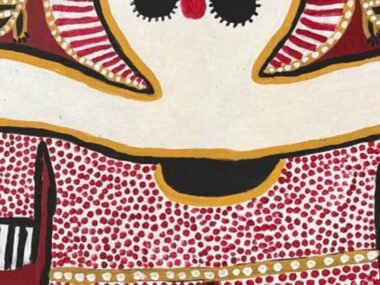
Collecting pieces tied to cultures is another area where caution must be exercised—indigenous art comes with specific entanglements for ethnic awareness as well as authenticity and payment for its creators; working with established galleries that put buyers into direct contact with creators ensures use-value-payment benefit for all parties involved.
Make Relationships
Whenever approaching people in the art community through galleries or studio visits, know that respect goes a long way. Gallery owners, artists and fellow collectors will share inside knowledge with those who’ve established themselves as curious—not looking out for a financial endgame—so engage properly before seeking inside information and help.
Attend gallery openings when possible—in addition to artist talks and collector events. These gatherings are an opportunity to bond with artists themselves regarding their thinking processes and how their work has come along since the initial sale—this may present opportunities before shows even start.
Join organizations when possible for connecting professionals; small associations are more powerful than one thinks, especially for private viewings and access through educational programming offered from behind-the-scenes highlights relevant to novice collectors or seasoned experts alike.
Learn Smart Decisions For The Long Run
As collections grow, grown decisions should encompass cohesiveness and attention; they shouldn’t mean overspending just because collectors feel obligated to get rid of pieces they no longer want once their initial tastes are developed over time.
This evolution is natural and shouldn’t discourage early purchasing. Every collector accumulates pieces they eventually move on from, and this process helps clarify preferences and direction for future additions.
The most rewarding collections reflect their owners’ genuine interests and experiences rather than market calculations or external expectations. Art collecting should enhance daily life through regular interaction with meaningful objects, not serve primarily as financial investment or status display.
Starting small, buying thoughtfully, and remaining open to discovery creates the foundation for collections that provide lasting satisfaction regardless of their eventual monetary value.