The landscape of interior design keeps shifting beneath our feet, and 2026 is shaping up to be a genuine game-changer for homeowners thinking about comprehensive renovations. As the way we live evolves and new technologies emerge, the trends reshaping residential spaces reveal a deeper understanding of how our homes need to work harder for us than ever before. We’re talking about sustainable materials, spaces that adapt to our needs, and design innovation that balances beautiful aesthetics with serious functionality. Homeowners diving into major renovation projects aren’t just chasing the latest look, they’re focused on creating environments that actively support wellness, boost productivity, and reflect who they really are.
Biophilic Design Integration Throughout Living Spaces
The connection between nature and our interior environments has transformed from a nice-to-have into an absolute essential in 2026. Biophilic design has evolved way beyond tossing a few houseplants on the windowsill, it’s now about weaving natural elements into the very architecture of the home. Think large, format windows that flood rooms with daylight, living walls that breathe life into vertical spaces, and carefully selected natural materials that create seamless transitions between indoors and out. Water features, natural stone installations, and wood sourced from sustainable forests bring organic textures and genuinely calming visual elements into the spaces where we spend our days.
Multi-Functional Spaces and Adaptive Room Design
The days of the single-purpose room are fading fast as modern lifestyles demand greater flexibility from every square foot. In 2026, homeowners are prioritizing adaptable environments that can shift throughout the day, from workspace to workout zone, entertainment hub to peaceful retreat. Murphy beds that disappear into walls, sliding partitions that reconfigure floor plans, and modular furniture systems allow rooms to transform based on what you need right now, not what the architect planned decades ago. The home office has become something far more sophisticated: a hybrid space that can convert into a guest room, creative studio, or meditation sanctuary with minimal fuss.
Sustainable Materials and Energy-Efficient Systems
Environmental consciousness has moved from the fringe to the mainstream, fundamentally driving material selection and system design in comprehensive renovations. Recycled materials, reclaimed wood, and low-VOC finishes aren’t premium upgrades anymore, they’re standard specifications. Homeowners are putting real money into high-performance insulation, triple-pane windows, and advanced HVAC systems that slash energy consumption while genuinely improving indoor comfort. Solar panel integration, battery storage systems, and smart energy management platforms are being woven into the initial design phase rather than tacked on as afterthoughts.
Smart Home Technology and Integrated Automation
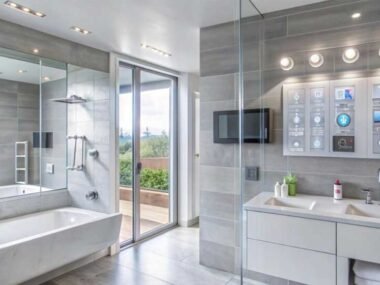
The connected home has evolved from a luxury novelty into an expected foundation in contemporary renovations, with 2026 marking a new era of seamless integration and genuinely intuitive control. Whole-house automation now encompasses everything from lighting and climate to security, entertainment, and appliance management through unified systems that learn about your preferences and optimize performance automatically. Voice-activated controls, presence sensors, and AI-driven predictive systems create environments that respond to your needs before you even articulate them. Hidden charging stations, integrated sound systems, and discreet camera placements maintain clean design aesthetics while providing comprehensive functionality that just works. When planning comprehensive renovations that incorporate these advanced systems, homeowners working on a whole house remodel in San Diego often prioritize structured wiring, robust Wi-Fi networks, and future-ready conduit systems built right into the walls during the construction phase. Health monitoring features, air quality sensors, circadian lighting systems, sleep optimization technologies, reflect growing interest in wellness-focused smart home applications that go beyond mere convenience. The real challenge for designers has shifted from simply installing technology to creating integrated systems that enhance rather than complicate daily life, requiring careful attention to user experience and thoughtful interface design throughout every stage of the planning process.
Artisanal Craftsmanship and Personalized Details
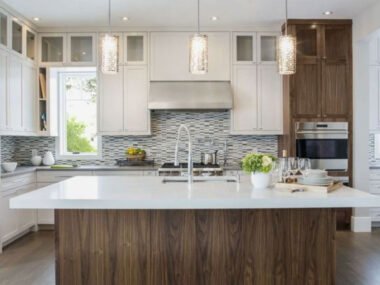
In direct response to the sea of mass, produced sameness, 2026 has witnessed a powerful resurgence of handcrafted elements and truly bespoke design features in high-end renovations. Custom millwork, hand-plastered walls, and artisan-created tile installations provide unique character that sets homes apart from cookie-cutter developments that all blur together. Homeowners are actively investing in collaborations with local craftspeople to create one-of-a-kind fixtures, furniture pieces, and architectural details that reflect personal style and honor regional heritage. This trend extends into every detail, hardware selections, lighting fixtures, even functional elements like custom-forged door handles and hand-blown glass cabinet knobs that feel special to the touch.
Conclusion
The interior design trends shaping comprehensive home renovations in 2026 reflect a sophisticated understanding of how residential spaces genuinely impact our physical health, mental well-being, and daily productivity. From biophilic elements that reconnect us with nature to smart systems that anticipate what we need, these innovations represent far more than aesthetic preferences, they embody fundamental shifts in how we think about home environments. The emphasis on sustainability, adaptability, and personalization suggests that homeowners are making thoughtful, long-term investments rather than chasing fleeting style moments that’ll feel dated in a year. As these trends continue to mature and evolve, they’re creating homes that aren’t only more beautiful but also more functional, efficient, and genuinely meaningful to the people who live in them.