Most dog owners find a food brand they like and stick with it throughout the dogs life. The dog seems fine, eats happily, and maintains a decent weight. It’s a no-brainer, right? Well, not necessarily. Dog’s nutritional needs change more than most people think and what worked great last year may no longer provide the dog with every thing he needs this year.
All Dogs Are Not Created Equal
Dogs can require vastly different levels of nutrition based on their activity levels. A dog that goes hiking and running over the weekends has different requirements to one that’s idea of rigorous exercise is a slow stroll around the block. The first dog needs more protein and calories to replenish its muscles, the second dog does not. Activities levels can also change. That once high-energy two year old dog that used to require a performance level of nutrition can become a couch potato by the time he turns five. Or things can change; someone starts jogging with the dog and suddenly the food that was once perfect no longer cuts it. The dog starts to seem tired, he appears hungrier than usual or he loses condition even though he’s still getting the same amounts.
Older Dogs Have Different Requirements
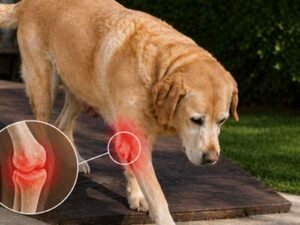
Most people know that puppies require vastly different levels of nutrition than adult dogs. Not many realize that dogs’ nutritional requirements continue to change throughout their lives. Older dogs require less food but more nutrients to support their joints, and their digestive systems can also change. Some dogs may require easily digestible proteins; some may require more fiber.
Then there are middle aged dogs. This is usually the age when dogs of some breeds start to show wear and tear on their joints, or may develop sensitivities that were not there when they were younger. A seven year old Labrador may require glucosamine and controlled calorie levels to stay trim while a seven-year-old border collie who still acts like a puppy may just need a sustained energy source but not additional calories.
What If Their Health Changes
This is where things get very specific. Kidneys problems dogs require special alteration of phosphorus and protein levels. Sensitive stomachs may require limited ingredient foods or foods that contain proteins the dog hasn’t had before. Allergic skin conditions may require omega-3 fatty acids and specific proteins.
Many of these special requirements used to require a visit to a veterinarian office but these days people can buy dog food online and have them delivered so owners don’t have to lug heavy food bags to vet’s offices just to find out their dog turns his nose up at it.
There’s another one that needs special consideration: weight management. An overweight dog needs fewer calories but it’s food also needs to be nutritionally complete so nutrient density in smaller quantity is important. A dog that lost weight due to disease or injury requires the opposite; calorie-dense foods that are easily digestible and that don’t aggravate sensitive stomachs.
Breeds Get Specific Attention
Certain breeds have unique nutritional requirements that generic foods don’t cater for. Large and giant breeds require controlled calcium and phosphorus levels in puppyhood in their food to avoid development of orthopedic problems later in life. They also require glucosamine and chondroitin in their diets at an earlier age than small breed dogs.
Some breeds like Great Danes and German Shepherds are prone to bloat and benefit from smaller meals that are fed to them more frequently; foods that expand in the stomach are best avoided.
Breeds like Border Collies and Australian Shepherds require sustained energy release from their food rather than bursts of energy levels from quickly-digested carbohydrates. Brachycephalic dogs (the flat faced ones) like bulldogs and pugs may struggle with kibble sizes and shapes; they need food pieces they can pick up easily rather than having to struggle to chew during every meal.
The Coat Knows Nothing of Lies
A dog’s coat condition can provide insight as to whether what they are eating is suitable for them. Dull, brittle coats often indicate missing fatty acids or protein quality issues. Dogs that shed excessively outside of seasonal changes are also likely missing something from their food. Dogs that eat high quality foods usually have shiny coats and healthy skin.
Energy levels is another area of concern that provide guidance in determining whether a dog’s food works for it. A dog that sleeps more than usual or is lethargic during otherwise normal activities may not be getting enough nutrients from the food it eats. Conversely, a dog that begs for food continuously despite being provided with what should be an adequate amount, may need more protein or roughage in its food.
There are also plenty of digestive warning signs to look out for. Exceedingly loose stools, excessive gas or constant tummy aches can all be indicative of a food that doesn’t work for a dog.
Switching Food Is An Art Not A Science
Switching dog foods isn’t as simple as buying a new food bag and pouring it into a bowl. Dogs need careful introductions to new foods in order to minimize disturbances to the digestive system.
Start by mixing 25% new food and 75% old food for several days before transitioning to a 50/50 mix; then a 75/25 (new/old) mix before moving onto 100% new food. Most dogs can tolerate changes over about a week so don’t dilly-dally.
Keep an eye out for reactions when switching foods. Some dogs are very picky and sensitive when it comes to changes while others are more forgiving so switching times may differ from individual to individual. Some digestive disturbances are expected but if they last longer than two weeks you may be dealing with something that’s simply not working.
Take notes about the dog after switching foods; Is he showing more energy? Is his coat getting better? Does he feel satisfied after meals or is he still begging for food? This can help you navigate the fine-tuning (if necessary) of the process.
So To Summarize…
Dogs are not static beings. They change; they don’t remain the same throughout their lives with unchanging needs requiring unchanging diets. The food that worked like a charm when your two year old dog was two years old may be unsuitable by the time he turns eight. No one expects you to be an expert canine nutritionist, but it’s not rocket science either and knowing when a dog’s current food simply doesn’t work for them anymore can make all the difference.
Switching from maintenance food to senior food is as simple as it gets but other, more age specific medical conditions may require something else altogether; thankfully today the options are better than they have ever been for long-suffering owners looking for the perfect mixture of ingredients!