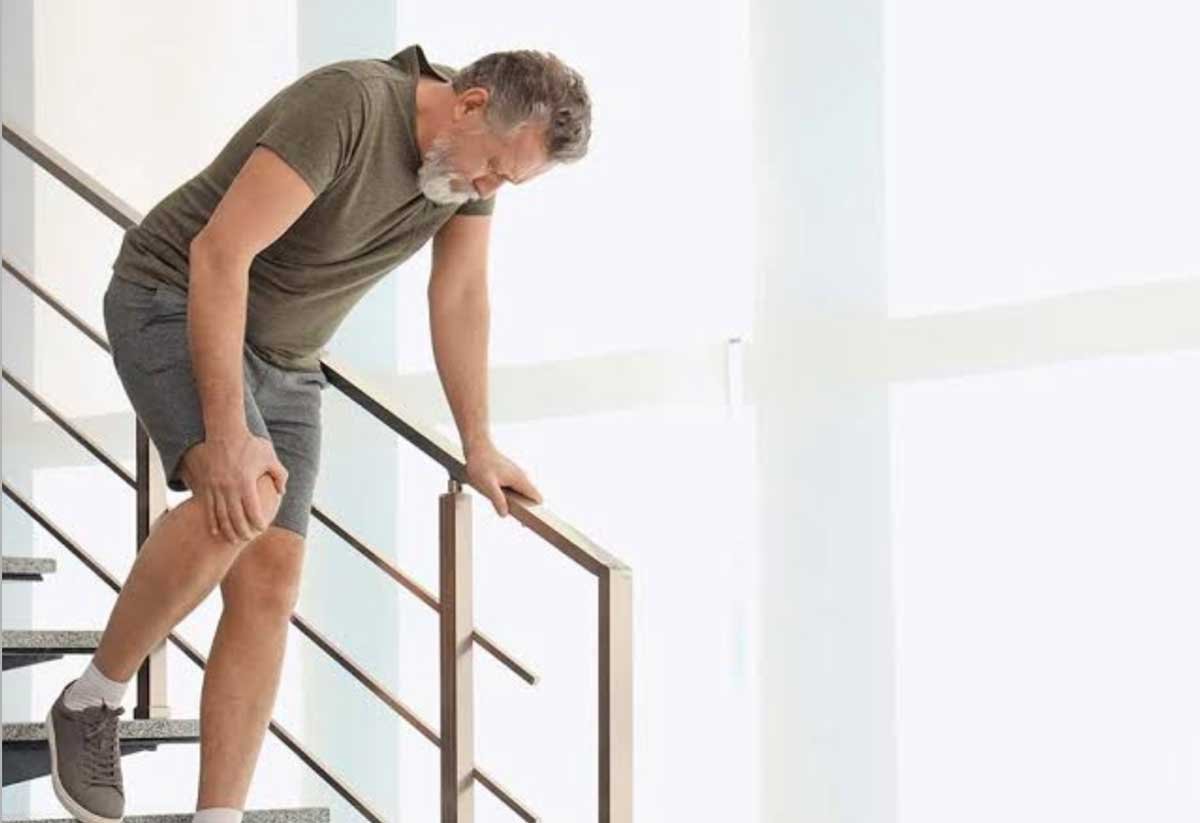
It often starts with something small—a twinge on the knee while climbing the stairs, or a sharp sting after an afternoon jog. At first, the discomfort might seem easy to ignore. But over time, that mild pain becomes harder to brush off when walking, standing from a chair, or taking the next step up.
For many people, knee injuries don’t just affect mobility—they affect daily life. The simple act of walking or climbing stairs can suddenly feel like a hurdle. Understanding these injuries means knowing how the knee works, what can go wrong, and when to seek help.
Knee problems related to the meniscus are common, especially among active adults and older individuals. What may start as a small tear or occasional discomfort can gradually affect movement, stability, and everyday activities. While some meniscus tears improve with rest, physiotherapy, or modified activity, others continue to cause pain or locking in the knee. When this happens, people often begin exploring meniscus tear surgery as a treatment option, along with practical considerations such as recovery time and cost.
Common Causes of Knee Pain and Instability
The knee is a complex joint, constantly in motion and under pressure. When something goes wrong, the impact can be immediate and frustrating. Among the most common causes of knee pain that affect walking and climbing stairs are meniscus tears, ligament injuries, and cartilage damage.
Meniscus Tears: Small Tissue, Big Impact
The meniscus acts like a cushion between the thigh and shin bones, allowing smooth movement and absorbing shock. A sudden twist, deep squat, or awkward step can cause it to tear. The result is often a sharp pain followed by swelling and a sense that the knee is “catching” or “locking” during movement.
Early treatment is essential. In mild cases, physiotherapy and rest may help the tissue heal naturally. However, larger or complex tears might need surgical repair, especially if limit full movement or joint stability. That is when individuals begin exploring options, including understanding procedure details and costs in Singapore’s healthcare system.
Ligament Injuries: The Roots of Instability
Ligaments are like the support cables of your knee, keeping everything in place. The anterior cruciate ligament (ACL) and medial collateral ligament (MCL) are particularly vulnerable during sports or high impact activities. A torn ligament can leave the knee unstable, making it difficult to trust each step, especially when climbing stairs or turning corners.
Rehabilitation plays a major role in recovery. Through guided exercises and gradual strengthening, many regain balance and confidence. Yet, in cases of severe ligament tears, surgery might be the only option to restore function and preven long term instability.
Cartilage Damage: The Hidden Source of Stiffness
While often overlooked, cartilage wears down quietly over time. Repeated stress, age, and prior injury can leave the protective surface thinner, causing bones to rub together painfully. This often manifests as deep aching stiffness that increases after periods of rest.
Cartilage-related knee pain makes walking particularly tough, and climbing stairs can feel like lifting dead weight. In advanced cases, treatment ranges from minimally invasive procedures to joint resurfacing. Proper diagnosis by an orthopedic specialist ensures the best path toward relief and mobility.
How Knee Injuries Affect Everyday Movement
Beyond the anatomy and medical terms lies the reality of how knee injuries can affect daily life. Pain tests patience, and limited movement can take an emotional toll. Understanding the source of discomfort is the first step toward regaining control over mobility and routine.
The Struggle with Walking and Climbing Stairs
Walking and climbing stairs require smooth motion and coordination between muscles, joints, and ligaments. A weak or damaged knee disrupts that coordination. What used to feel effortless can suddenly be exhausting. Many describe an uneven feeling, as if one leg is struggling to keep up. Even a few steps can trigger fatigue or sharp pain.
Physical therapists often emphasize retraining movement patterns. Through gentle strengthening and balance exercises, patients can reduce strain on the injured area and improve joint support. Progress may be slow, but small wins, such as walking farther without pain, are significant in recovery.
The Emotional Weight of Limited Mobility
It’s easy to underestimate how deeply mobility affects independence and confidence. Missing social activities or avoiding stairs at work can lead to frustration or embarrassment. For those who value an active lifestyle, sitting on the sidelines due to pain can be demotivating.
Healthcare providers in Singapore often encourage a holistic approach that includes not just physical rehabilitation but also emotional support. Staying connected with fitness groups or joining recovery communities helps people stay motivated. The process becomes less about what was lost and more about regaining balance and control, one careful step at a time.
Finding Relief and Taking the Next Step
Recovering from a knee injury is not just about healing, it is about restoring movement, confidence, and comfort in daily life. Whether the issue stems from a meniscus tear, ligament strain, or cartilage wear, modern treatments offer a structured path forward. For some, that path may include physical therapy and lifestyle adjustments; for others, surgical repair may be necessary, depending on the specific diagnosis and guidance from an orthopedic specialist.
Clinics and hospitals today offer a wide range of advanced options for joint care, supported by experienced surgeons and dedicated rehabilitation teams. With so many choices available, understanding the details becomes important. This includes knowing the different treatment approaches, what recovery may involve, and the factors that can influence the cost of meniscus tear surgery. Having this information helps people make informed decisions that suit their medical needs and fit comfortably within their budget.
What matters most is not how quickly someone gets back to walking or climbing stairs, but how safely and confidently they do it. With the right care, patience, and persistence, the pain that once made every step a challenge can become a memory, highlighting each person’s resilience and strength to move forward again.