Most people let the decorating process with art stop at what looks good for a wall. Does it match the couch? Is it the right size? But when Aboriginal art enters the picture, the outcome goes far beyond aesthetics and filling blank walls. It unexpectedly transforms how a space feels.
It’s not magical. It’s not decoration dynamics. It’s simply the visual characteristics of Aboriginal art that play with a space in ways that not most art does. The patterns, the color relations, the cultural storytelling, all do something literally to how a space is perceived, and once you recognize what’s going on, you see it everywhere.
How Spaces Are Perceived Differently and No One Discusses it
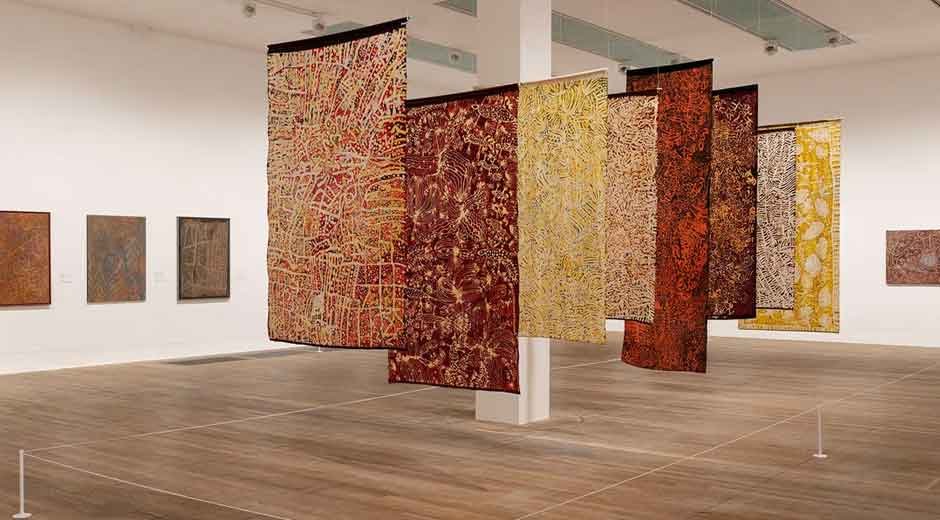
One of the first things guests comment on when they enter a space and see Aboriginal art is how large or small the room feels. Depending on where it’s placed and how big, an Aboriginal art piece can either enhance a giant echoey warehouse loft or make it feel more intimate and cozy.
Many Aboriginal styles boast dot work and movement which can create depth as eyes move into the canvas. Some of these designs are so intricate that brains keep finding new things to look at. This engagement makes walls feel less flat; like a two-dimensional white board.
In fact, it’s interesting how a large Aboriginal canvas on a focal point wall often makes a small space feel less cramped than using a solid color print or abstract without any embellishments. The face value of Aboriginal art imbues movement without chaos. It’s structured but free, and something to do with spatial perception changes the depth of reality, even if it feels complicated.
The same works in reverse. Small pieces with compact action can allow bigger spaces to feel more intentional and less echoey. That warehouse loft that’s only got too-high walls and too much blank wall won’t cut it with a regular abstract piece requiring framed canvases to cover every inch of the space, but with well-placed Aboriginal pieces, it breaks up the emptiness without needing forced furniture placement.
How Color Relationships Actually Change Mood
Generally speaking, color psychology boasts that red is energizing, blue is calming, and that’s that. While Aboriginal art chooses similar colors for similar purposes within one region, the impact instead plays out through relationships that Western color theory fails to account for.
You’ll find ochres next to bright whites and blacks, sometimes even sprinkles of electric blues, greens or yellows in the dot work patterns. They make sense but also work in unexpected combinations. The end result? A warmth not overly loud but certainly inviting.
Spaces filled with aboriginal art from Artlandish are far more inviting than intentionally curated neutral tones; there’s an organic depth to a myriad of colors which ask people to come in and settle down instead of cutting through with fresh eyes to avoid punching red against baby blue.
But here’s the kicker, the same color combinations that work within one style of Aboriginal art create something entirely different in another regional choice. Central Desert artwork boasts different color relationships than coastal pieces. This means that one can completely change the mood of a space by just choosing between different types of Aboriginal art even if they seem similar color-wise on paper.
How Conversation Dynamics Change
This factor plays out excitingly for those who occupy their spaces instead of posing for photographs in them. Aboriginal art changes how guests interact within your space, not because they’re pressured to say something about it (though they often do), but because it gives them something to pay attention to, even something abstracted to think about.
Generic art gets a casual “nice painting” and polite pass. Aboriginal artwork holds genuine weight, patterns enable further inspection, people step up to look at the detail work and the layering. This actual movement toward an artwork shifts energy, the guest becomes more engaged with what’s going on than just sitting in space.
And even better, when guests ask about the piece, it’s not small talk; there are real stories that have come from creating such Aboriginal art so meaningful that guests surely feel comfortable sharing why they’ve chosen to adorn their walls with such incredible community work. Spaces become less passive spaces for social engagement and more empowered areas to exist.
How Patterns Calm the Brain/Mind
There’s something psychologically engaging about patterned repetition that differs from pure chaos. The dot work and line work of many Aboriginal pieces hits where things are order enough to be calming but diverse enough so as not to be overbearing. The results are like white noise for one’s visual system, they recognize it but don’t have to pay attention to every single detail.
Thus, spaces with these pieces often feel cozier than expected given the visually abundant nature of certain designs. The patterns don’t fight for attention; they exist in peripheral vision like just enough texture without visual stress due to overstimulation, as particularly important in areas which are homes dedicated to relaxing, living rooms, bedrooms, reading spaces.
The same holds true for office spaces or work areas as well; a well-placed Aboriginal piece creates enough visual interest while someone takes a break from screen time without being too distracting when someone needs to focus. Patterns give eyes a place to go when every other wall or piece is complete sensory deprivation.
How Authenticity Creates Different Energies
Mass-produced prints and run-of-the-mill generic wall decor help fill wall space, but all they do is keep it from looking empty. They don’t change how a room feels because they have nothing behind them; there’s cultural heft and artistic intent behind Aboriginal art which can transform a room in unknown ways but known feelings.
When art comes from a tradition which gives genuine meaning, that depth reads in space, not in supernatural ways, but practically, both occupiers of spaces and their guests can tell the difference between something that’s merely decoration against something with true sentiment behind it. Rooms feel more intentional as though someone actually cared what went where.
How These Are Practical Realities in Your Space
Ultimately, all these observations ensure that Aboriginal art uniquely impacts how spaces feel beyond what occupants assume; they’re not just decorative ornaments with cultural meaning, they boast visual characteristics unique to Aboriginal traditions which create measurable impact on spatial perception, emotional mood and dynamics relative to interaction.
Thus, next time a space feels off, too dull, bland too uninviting, it’s not always another piece of furniture or complementary paint required, sometimes what’s missing is art that truly transforms space instead of matching throw pillows, and that’s where the unexpected part comes in, Aboriginal art doesn’t just exist on walls, it actively transforms how spaces feel from moment one.