Many homeowners hear that they should have air ducts cleaned, but few know what actually happens during the process. What’s involved? How long does it take? What’s the difference between having a professional do it and just vacuuming the vents yourself?
Knowing what goes on to set expectations helps justify the costs because there’s a lot that goes on that people might not realize, until they try to assess a job well done on their own system.
The Initial Assessment
Before any cleaning commences, there’s an inspection. Technicians will inspect your duct system as much as they can see it, including all supply and return vents throughout the home. They want to know if they see contamination; in addition, they’re assessing the overall condition of the ductwork.
For example, this inspection will help determine if they need to provide extra caution in a given spot or if certain areas aren’t even worth cleaning. Is there a disconnected duct? Evidence of pests? Mold? Major debris accumulation? Do they need to photograph what they see to ensure the homeowner understands what’s happening?
At this stage, many technicians will utilize inspection cameras, small cameras that they can send down the ductwork to physically see what’s going on inside, and document such findings to show before and after their work. This gives technicians insight as to how best to approach the system from an angle they can’t access themselves.
The Set-Up Process
The setup process often takes longer than people expect. Many people assume that a professional comes in with a tool box and vacuums their system.
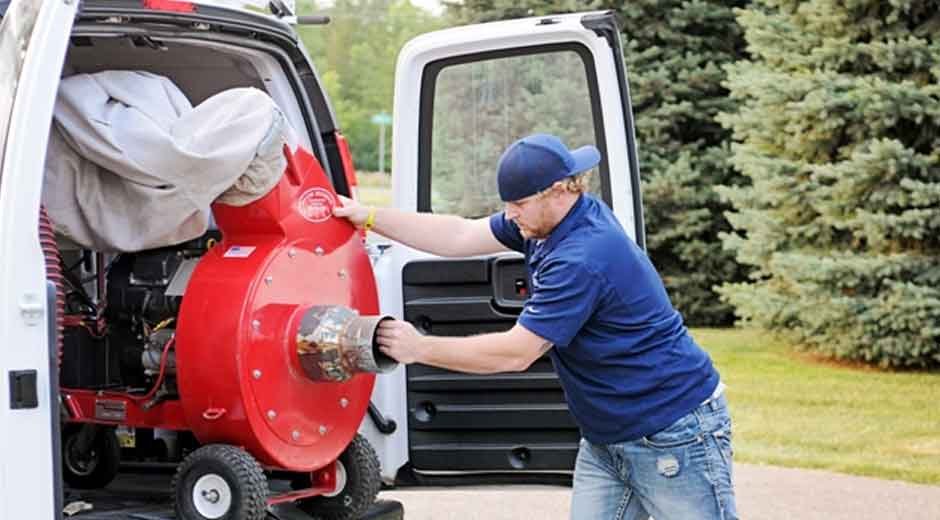
In reality, professional duct cleaning is a venture that requires myriad specialized equipment and machines. The most important part of equipment comes in the form of a vacuum: truck-mounted units or portable ones professionals bring out. They are neither powerful nor inefficient. They’re industrial machines equipped to create negative pressure across the entire duct system.
In addition, professionals will close off supply registers (the vents blowing air) with covers (some magnetic, some not) to limit where air and debris can go. They’ll likely leave one return vent open to help create airflow through the system.
What Happens During the Cleaning
Now comes the work. With the vacuum in position and negative pressure working through the ducts, technicians will come in with their agitation devices per type of ductwork.
These could range from air whips to scrubbing brushes to contact tools or even manual tools that they use like a paintbrush on a wall with debris plastered to it. Flexible ductwork requires more delicacy than metal ductwork; otherwise, they’ll tear holes through and create even more issues than dirt.
Technicians will work section by section from the outside in toward the major trunk lines and have access points from both returns and supply vents but may need to cut small holes into trunk lines for larger access points if no other clean point is available. This is why it’s important for professionals to know what they’re doing so when they leave holes for cleanup, they actually get cleaned up properly after an assessment has been made.
For homes with pets, renovations, or years of buildup, this agitation step can take considerable time. The debris doesn’t just vacuum out easily, it needs to be loosened first. That’s why a wonderful air duct cleaning service I use every year makes such a noticeable difference compared to less thorough approaches.
Cleaning All Other System Components
It’s not just ducts that go into the air system, but components that make systems work that accumulate dust and debris and need attention as well.
The blower compartment in the furnace collects dust like there’s no tomorrow. The technician will likely remove the blower wheel for effective cleaning (as well as dirty wheels make additional contamination spread into the ducts).
The return air plenum (the big box that collects air before sending it to the blower) also needs a thorough cleaning effort, as this is often where large amounts of debris are found most frequently and should have more care taken when cleaning it out.
Depending on your air conditioning (drip pan cleaning, drain line flushing) are separate tasks as not all systems contain either piece so it’s important to see what’s included with your service.
Sanitization Applications
Finally, some companies will offer optional fogging afterward with EPA-approved antimicrobial products for sanitization. These aren’t required but are useful when mold is found or significant biological material; odors come into play; etc.
However, it’s an optional service because many professionals don’t feel it’s necessary unless certain materials are found within systems or other known issues could cause problems in a general living space. Everything used should be approved for usage with HVAC systems and must be proven safe for occupied spaces.
Sealants are also used in some situations (for older ductwork with slight degradation), but this isn’t universal unless pointed out in the inspection and discussion beforehand.
Final Inspection and Cleanup
A reputable company will re-check your ducts after service is complete by running their camera again and showing before-and-after images to show you what you paid for. They should make sure all registers are reinstalled properly, holes are sealed appropriately, air is flowing correctly through all vents that are now back in action, and any sounds are noted if they’re strange from what they used to be like, or not, without any air running at all.
They should clean up after themselves, no materials from hoses or debris near vents should exist anywhere other than their truck/van/bucket where it originally came from.
How Long Does It Take?
For an average-sized home (1,500-2,500 square feet with standard ducting), expect a three- to five-hour process from initiation to end time without any added pressure requests. Homes with multiple HVAC systems or complex configurations, and attics, will generally take longer, but that’s an added dimension or complication; it’s not the size that matters when it comes to ducting, just good workmanship getting its due diligence.
Companies shouldn’t claim they can do it all in an hour; if it’s taking less than an hour then you’re not getting everything done right.
What Homeowners Should Look For
While professionals are working, what should homeowners notice? The vacuum suction should remain constant so debris isn’t floating about; technicians shouldn’t just reach one register and one vent; they should be accessing various points throughout your home using proper gear.
The technicians should be communicative; answering questions without rushing through; telling you what they’re doing upon access and explaining as things are cleared out so you understand what’s happening as your house gets worked on.
For red flags look for people who don’t inspect your system beforehand; claim they can do it from one access point without checking more; push sales pitches on ancillary requests without assessing the situation first; proceed without honest communication.
What Should Happen After Service
Post-service, homeowners should feel a difference in air quality immediately, improved airflow from vents, reduced dust on surfaces over subsequent days/weeks, though some people might notice a difference in smell by assessing their sense of smell or by noticing less sneezing sooner than later.
Your HVAC system will also work better, from a cleaner blower pumping cleaner air to cleaner ducts/duct walls, the flow will be made easier through cleaner endeavors than having to work harder from debris obstruction.
When you know what happens during a professional duct cleaning, you become educated about why such services are needed and can assess whether yours was worth it (it should be!). It’s a long process with specialized equipment that genuinely is more than going through some vents with a vacuum and an adaptable solution.