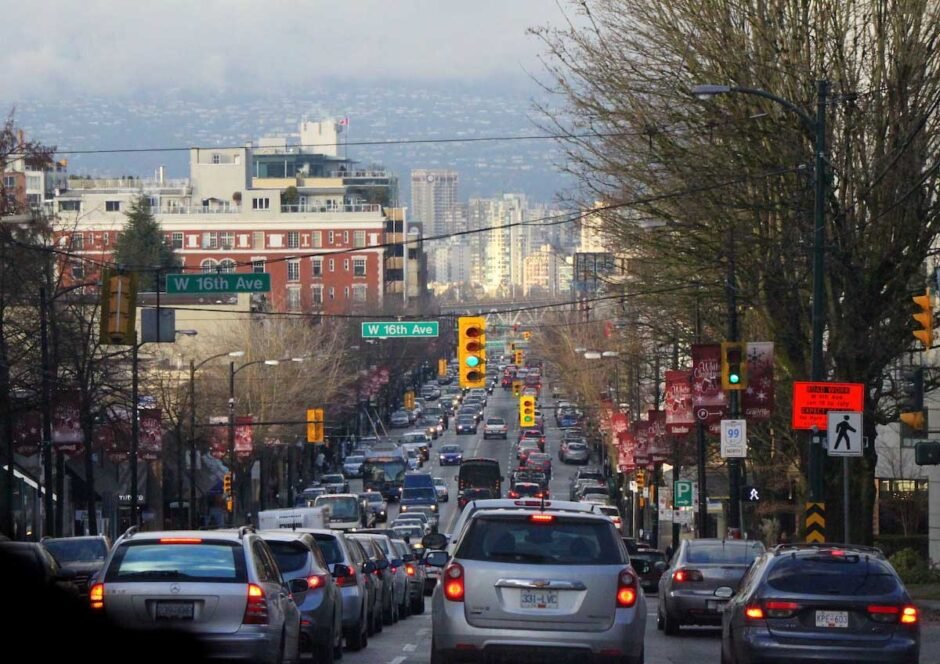
Moving to Vancouver can present a variety of logistical challenges related to infrastructure projects and environmental conditions that impact transportation routes throughout the region. These factors fluctuate throughout the year and can impact the timing, safety, and overall predictability of a move. Understanding the main sources of disruption clarifies why moving to the city sometimes requires additional preparation or flexibility.
Road construction
Major corridors, such as Highway 1, the Ironworkers Memorial Bridge approaches, and the Massey Tunnel area, undergo regular upgrades and maintenance projects to accommodate growing traffic volumes. These activities can result in lane reductions, temporary closures, reduced speed limits, and extended rush-hour congestion. Construction on interchanges in Burnaby, North Vancouver, and Surrey often leads to bottlenecks, especially during the day. Trucks moving into these areas may experience substantial slowdowns, affecting scheduling for both arrival and unloading.
Urban road work in Vancouver
Sidewalk rehabilitation, utility replacement, bike lane installation, and resurfacing projects occur continuously across neighborhoods. These activities can restrict curb access, limit parking availability for large vehicles, and narrow residential streets. Movers https://paramountmoving.ca/vancouver/ may need to obtain permits or alter routes to accommodate these temporary restrictions, which adds steps to the planning process.
Natural disruptions
The region’s heavy rainfall frequently causes localized flooding. Low-lying streets, underpasses, and sections of Highway 1 in the Fraser Valley experience water accumulation, which slows traffic or requires detours. In extreme situations, washouts may temporarily close smaller connecting roads, affecting entry points to suburban areas south or east of the city.
Landslides and slope instability
The Sea-to-Sky Highway and certain sections of the Fraser Canyon are prone to occasional landslides triggered by sustained rainfall or rapid snowmelt. These incidents can block traffic for hours or even days, delaying long-distance moves and requiring rerouting through alternate corridors.
Wildfire activity
While the city itself is not usually threatened, smoke and closures on Highways 1, 5, and 97 may disrupt transportation from inland regions. During severe wildfire seasons, long detours and limited visibility can impact the travel times of trucks coming from the Okanagan, Kamloops, and northern communities.
Winter conditions
While snow and ice are less common in central Vancouver, they can be significant on mountain passes such as the Coquihalla Highway and the Hope–Princeton Highway. These routes are essential for movers arriving from the Interior or Alberta, and weather-related closures or chain requirements can cause substantial delays.
Together, these infrastructure and environmental factors demonstrate how various conditions can complicate the relocation process to Vancouver, emphasizing the need for careful route assessment and adaptable scheduling.