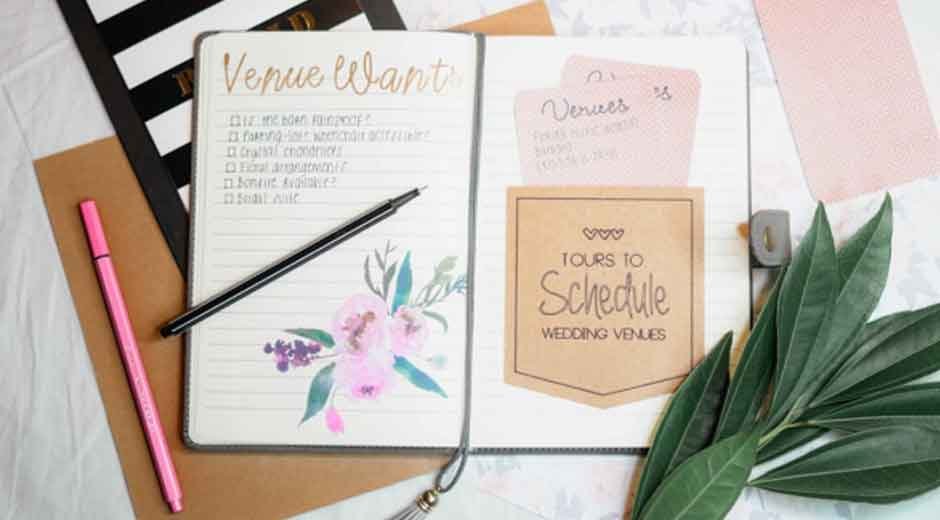
How do you plan for one of the most chaotic, emotion-heavy, logistics-jammed days of your life without losing your mind? Weddings have always carried the pressure of perfection, but in a post-pandemic, influencer-heavy world, the stress has hit new highs. Pinterest boards collide with real-life budget limits, and TikTok hacks can’t solve venue permit delays. In this blog, we will share how to build a wedding day checklist that actually works.
Start With the Big Picture
The first mistake most couples make is zooming in too fast. They start listing flowers, song choices, cake flavors, forgetting the larger structure. A checklist isn’t a wish list. It’s a control system. So the first move isn’t picking centerpieces — it’s blocking time.
Break the day into chunks: morning prep, ceremony, photos, reception, after-party, teardown. Assign each block a person in charge and a time window. Not every wedding needs a military-grade schedule, but nobody wants the DJ showing up before the chairs.
Lock Down Vendors, Logistics, and Rentals
Once you’ve blocked time, move to tasks tied to outside parties. That’s where things tend to break down — and not always in ways you expect. The photographer shows up but needs a shot list. The caterer doesn’t have access to the power outlet behind the band setup. The florist runs late because no one gave her a direct point of contact on-site.
This is where a well-built checklist turns into a preventive measure. It’s not just a list of people and times. It’s communication insurance. Include names, phone numbers, drop-off windows, payment status, and what happens if someone’s late.
If you’re renting anything — from glassware to patio heaters to tents — that section of the checklist needs serious attention. Wedding rentals are not passive plug-and-play solutions. They require coordination with the venue on delivery times, placement, takedown rules, and liability coverage. Rentals have exploded in popularity with the rise of backyard weddings and non-traditional venues, but that flexibility comes at the cost of logistical complexity. A missed pickup window can lead to extra charges or worse, venue fines. Lock down that list early and confirm everything twice, with a buffer built in.
Plug in the Human Factor
People will forget things. Not because they’re careless, but because weddings are loud, scattered, and charged with emotion. Build your checklist assuming no one will read more than the bullet points. Assign roles, not vague reminders. Instead of “Bring rings,” write “Give rings to Miguel during prep — keep in inside pocket.”
This works for guests too. Have a short, printed version of key times and places for everyone attending. Share it via group chat the night before. The more you repeat it, the less you’ll have to answer questions while getting your hair done.
And don’t assume vendors or family will intuit what’s next. If your aunt’s bringing the guestbook, she needs to know where to place it, when, and who to hand it to after. Your cousin running the playlist should have a charger, a backup cable, and access to power. Most day-of disasters come from basic things like “No one brought scissors to cut the ribbon.”
Reflect the Real World, Not the Fantasy
Pinterest doesn’t show power cords. It doesn’t show trash bags or how many people it takes to haul chairs back into a truck at midnight. Your checklist should. Add an “ugly” section — cleanup, leftover food, trash disposal, rental returns. These aren’t fun, but they matter. If you’re honeymooning the next day, someone else needs that sheet.
Also, remember: trends come with baggage. Social media weddings push grandeur, but the best checklists reflect the couple’s capacity, not the market’s pressure. If you’re trying to plan a 200-person celebration with a 30-person budget, the checklist turns into an anxiety report. Be honest about what’s possible, then commit.
Stay Sane by Staying Focused
The point of all this is to avoid decision fatigue when it matters most. A good checklist does more than hold information — it cuts noise. You shouldn’t be making choices at 2 p.m. with a veil half-pinned and your dad texting you about parking. Everything should be baked in, with room to adjust if needed, but no reinventing the wheel mid-day.
Weddings run late. Speeches go over. Dresses rip. Shuttles stall. That doesn’t mean panic — it means building slack into the plan. If makeup takes an hour, book 90 minutes. If the ceremony’s at 4, tell guests 3:30. Add 10-minute gaps between major transitions. These pockets absorb the mess without killing momentum.
Remember: weddings are less about perfect outcomes and more about controlled chaos. Your checklist won’t prevent surprises, but it’ll help you recover faster. Think of it as a map, not a script. You still have to walk the route, but at least you won’t get lost.