Some surprises feel like a gamble. You open a gift and wonder if the giver even knows you. A spontaneous dinner booking might clash with your plans. But dessert? Dessert is different. It doesn’t overpromise. It doesn’t demand a performance. It just shows up, quietly confident, and makes everything a little better. That’s why, out of all the possible surprises people get, dessert is the one thing nobody rolls their eyes at.
Dessert Doesn’t Disappoint Like Other Surprises
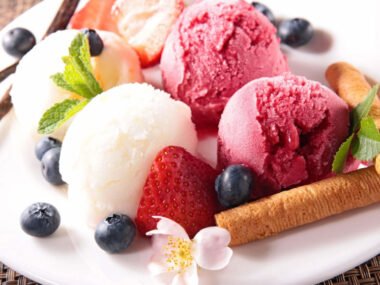
It’s hard to mess up dessert. Even if it’s not your favourite flavour or you’re trying to cut down on sugar, there’s something about being offered a slice of cake or a shared tub of gelato that feels oddly comforting. It doesn’t put pressure on you to react in a certain way. You’re not expected to keep it, wear it, or display it. It arrives, it’s enjoyed, and then it’s gone — no strings, no fuss.
Compare that to other surprise gestures. A pop-in visitor when you’re halfway through dinner. A gift basket with items you don’t use. Even well-meant surprises can come with tension. Dessert avoids all of that. It’s a low-effort, high-return moment that doesn’t ask much from the recipient, and that’s a big part of why people genuinely appreciate it.
Why Sweet Treats Always Hit the Right Note
The connection people have with dessert usually starts young. Birthday cakes, weekend treats, mum’s baking — sugar isn’t just sweet, it’s loaded with emotional context. That’s what gives dessert its staying power. It’s not just about taste, it’s about timing, memory, and mood.
Even as adults, that emotional pull stays strong. A slice of cake can evoke the scent of a family kitchen. A spoonful of trifle can trigger memories of big dinners where everyone remained at the table longer than usual. These aren’t extravagant gestures — they’re small comforts with big emotional value.
And the best part is, no one needs to overthink it. You don’t need to ask if someone likes lemon or prefers chocolate; it’s obvious. You bring dessert, and most people say yes. It’s not that everyone has a sweet tooth. It’s that everyone has a soft spot for moments that feel considered — and dessert quietly nails that every time.
Timing Is Everything — And Dessert Knows It
Dessert never barges in. It waits. It shows up after the noise has settled, when people are full enough to relax but still curious for more. That timing is part of its charm. Unlike other surprises that arrive mid-conversation or interrupt the flow of an event, dessert is often introduced naturally. It doesn’t need a spotlight to make an impact — it just quietly completes the picture.
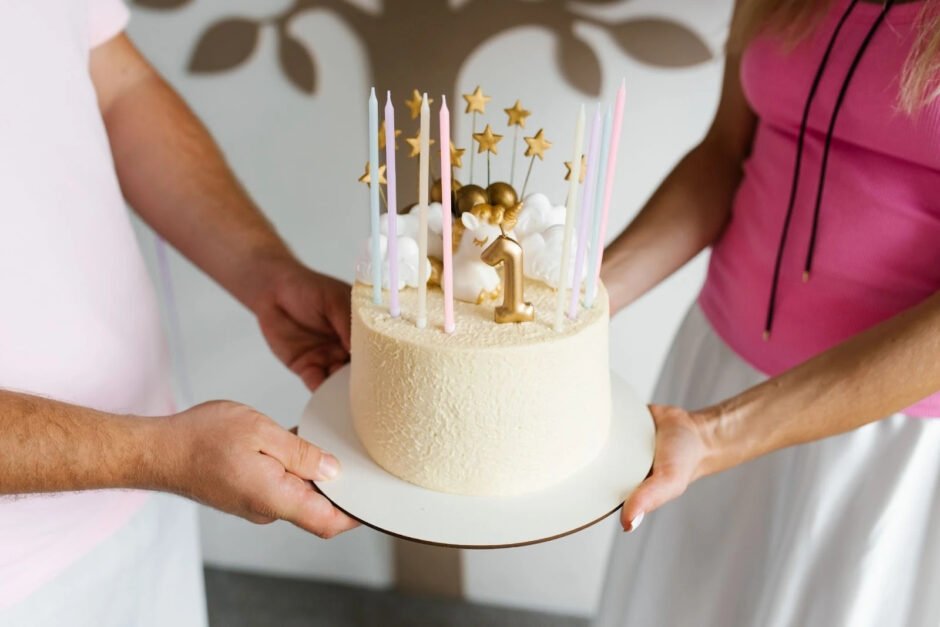
There’s something smart about how dessert is always last. It means people are ready to enjoy it, not just eat it. By the time a cake hits the table, nerves have faded, conversation has found its rhythm, and there’s room to pause. Whether it’s shared in person or shows up at someone’s door, it lands in a moment when people are most receptive. That’s exactly why the appeal of cake delivery Sydney residents rely on has grown so much. It allows that perfect moment to happen anywhere, without needing a big event to justify it. Sometimes, the timing alone makes it feel special.
Dessert Works Because It’s Built for Sharing
You don’t need rules for dessert. As soon as it lands on a table, people just instinctively lean in. Someone grabs a knife, someone else fetches plates, and the rest start eyeing their slice. It’s one of the few things in social settings that doesn’t need managing. There’s no awkwardness around who goes first or whether it’s okay to take seconds. The whole setup invites people to join in without hesitation.
That’s what makes dessert feel different from other small gestures. A box of chocolates might be lovely, but it’s often given with a polite “this is for you” boundary. Cakes, tarts, and puddings are rarely treated that way. They arrive open — meant to be cut, scooped, passed around. Even the most elegant dessert doesn’t carry an ego. That built-in generosity permits people to enjoy it without needing a reason. It’s that subtle difference that turns a simple treat into a shared experience.
The Element of Novelty Without the Risk
Surprises usually come with a gamble. Will they like it? Will they pretend to like it? Dessert gets around all that. It offers variety without locking anyone in. You can try a bite or pass it on. No one’s offended. No one feels obligated. It’s a rare type of gift that offers flexibility without losing charm.
That sense of lightness is why dessert manages to stay fun without feeling forced. It doesn’t demand attention but often gets it anyway. Whether it’s a chocolate swirl or a layered sponge, people are curious. There’s a moment of genuine interest. And if it’s something new? Even better. It becomes a conversation piece that doesn’t take itself too seriously.
When Cake Becomes a Shortcut to Celebration
Celebration isn’t always about scale — sometimes it’s about timing. The right gesture, in the right moment, can change the tone of a whole day. That’s where dessert, especially cake, fills a strange little gap. It says, “This moment matters” without needing balloons or banners.
You don’t need a milestone to make it work. A rough Monday, a cancelled plan, a friend who’s been quiet — cake has quietly become a shorthand for care. It’s less formal than a gift, but more thoughtful than a text. That middle ground is powerful. It makes dessert feel spontaneous and considered at the same time, which is a rare balance in the world of surprise gestures.
It’s Personal Without Being Personalised
Choosing a meaningful surprise is hard. You can overthink the details and still fall short. Dessert skips that whole guessing game. It doesn’t need to be tailored down to the last detail to feel thoughtful. Even if it’s not someone’s absolute favourite, they’ll rarely be disappointed. It signals effort without pushing expectations.
And because it’s consumable, it avoids long-term awkwardness. No one has to figure out what to do with it, where to store it, or how long to keep it on display. They just enjoy it, often with others, and move on. That’s the charm — a simple, sweet gesture that lands nicely without lingering awkwardly in the background.