
Air conditioning systems play a vital role in keeping homes comfortable throughout the hot months in both the United States and Canada. However, even the most reliable systems can experience issues over time, especially if routine maintenance is neglected. Knowing the most common air conditioning problems and how to prevent them can help homeowners avoid expensive repairs, improve energy efficiency, and extend their system’s lifespan.
This guide explains the five most frequent AC issues, their causes, and practical prevention strategies to help homeowners keep their cooling systems in top condition.
1. Low Refrigerant Levels
Refrigerant is the chemical that enables an air conditioner to cool your home by absorbing and releasing heat. When refrigerant levels are low, the system cannot effectively remove heat, resulting in poor cooling performance.
Causes
Low refrigerant usually indicates a leak rather than a one-time shortage. Leaks can develop in coils, connections, or refrigerant lines over time due to corrosion, vibration, or improper installation.
Warning Signs
- Weak or warm airflow from vents.
- Ice buildup on coils or refrigerant lines.
- Hissing sounds from the unit.
- Higher energy bills with no improvement in cooling.
Prevention
Annual maintenance is the best prevention method. A professional local AC repair company for services can inspect refrigerant lines, check for leaks, and ensure your system uses the correct refrigerant type (R-410A or newer). Homeowners should never attempt to refill refrigerant themselves, as handling refrigerants requires certification and safety training.
Proper sealing, correct installation, and regular inspections will prevent most refrigerant-related issues and improve system longevity.
2. Frozen Evaporator Coils
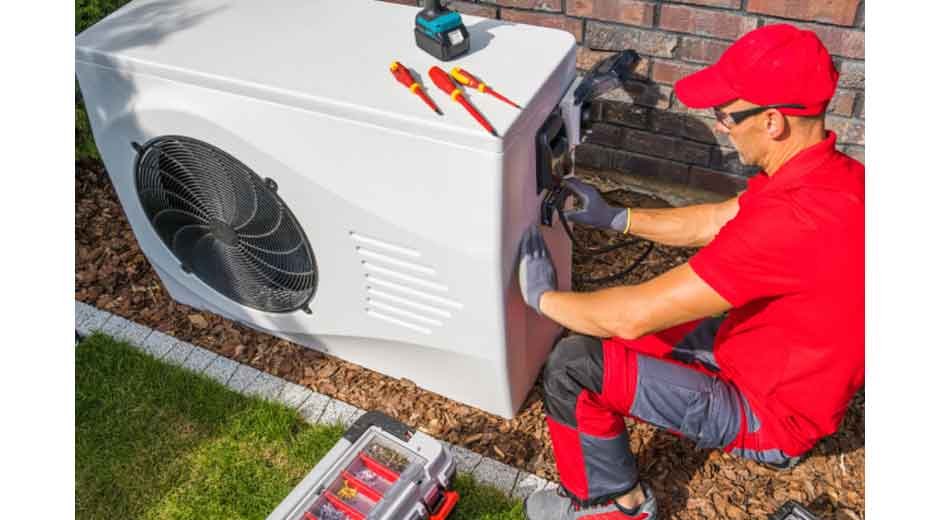
The evaporator coil absorbs heat from indoor air. When airflow is restricted or refrigerant levels drop, the coil can freeze, halting the cooling process and potentially damaging the compressor.
Causes
- Dirty air filters or ducts blocking airflow.
- Refrigerant leaks.
- Malfunctioning fans.
- Operating the AC in cold outdoor conditions.
Warning Signs
- Reduced or no cold air output.
- Ice or frost visible on indoor units.
- Water leaking after the ice melts.
- Unusual hissing or bubbling noises.
Prevention
Replace air filters every 1–3 months, especially during heavy use seasons. Keep supply and return vents open and clear of furniture. Annual cleaning of evaporator coils helps maintain airflow and efficiency.
Regularly checking thermostat accuracy and refrigerant levels also helps prevent freeze-ups. When frost appears, turn off the system immediately and contact a professional technician to avoid further damage.
3. Faulty Electrical Components
Electrical components power key parts of your air conditioner, including the compressor, fan motors, and capacitors. Over time, wear and tear, electrical surges, or overheating can cause these components to fail.
Causes
- Power surges or fluctuations.
- Overheated capacitors due to prolonged use.
- Loose or corroded wiring.
- Poor installation or maintenance practices.
Warning Signs
- AC not turning on or frequently tripping circuit breakers.
- Clicking or buzzing noises when starting.
- Irregular fan speed or non-functional blower motor.
Prevention
Ensure the system is connected to a stable power supply and install surge protectors for added protection. Electrical inspections during routine maintenance can identify loose connections or damaged components before they cause complete failure.
Since electricity poses serious risks, homeowners should avoid DIY electrical work and rely on certified HVAC electricians for all component-related repairs.
4. Clogged Condensate Drains
As air conditioners cool the air, they also remove humidity, which collects as condensation and drains outside through a condensate line. Over time, dirt, mold, and debris can clog this line, causing water backup.
Causes
- Algae and mold grow in humid climates.
- Dust or debris is entering the drain pan.
- Improper drain line slope or damaged tubing.
Warning Signs
- Water is leaking near the indoor unit.
- Musty odours or mould near vents.
- AC shutting off unexpectedly (float switch activation).
Prevention
Flush the condensate drain line every few months with a vinegar and water solution to kill mold and bacteria. Keep the area around the indoor unit clean and free of debris.
For systems in humid regions like Florida, Texas, or coastal Canada, consider installing a float switch that automatically shuts off the unit before water overflows.
Preventive cleaning is inexpensive and avoids water damage or costly ceiling repairs caused by leaks.
5. Dirty or Blocked Filters and Coils
Dirty filters and coils are among the simplest yet most common causes of AC inefficiency. When dust, pet hair, and debris accumulate, they restrict airflow and force the system to work harder, raising energy consumption and causing potential overheating.
Causes
- Neglected filter replacement.
- Dust accumulation in ducts or indoor air.
- Outdoor unit obstructed by leaves, grass, or debris.
Warning Signs
- Weak airflow or uneven cooling.
- Unusual odours when the unit runs.
- Higher utility bills.
- Visible dirt or discoloration on filters and coils.
Prevention
Replace air filters at least every 1–3 months, depending on usage and household conditions. Vacuum the area around the indoor unit and clear the outdoor condenser of debris.
Professional cleaning of coils once per year helps maintain airflow and ensures optimal heat transfer. In dusty or high-pollen environments, such as rural or coastal areas, more frequent cleaning may be necessary.
Additional Tips for Preventive Maintenance
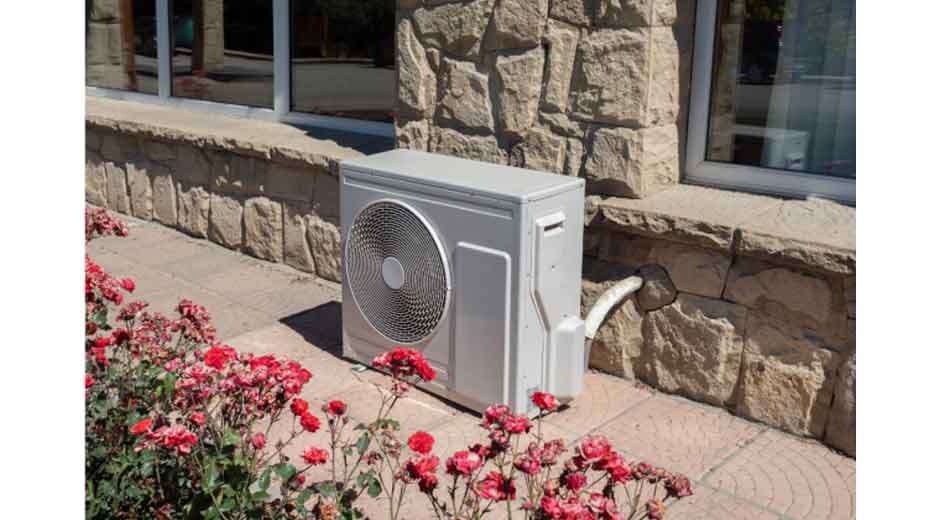
- Annual Tune-Ups: Schedule a professional inspection before summer begins. A comprehensive tune-up includes refrigerant checks, electrical testing, and cleaning critical components.
- Smart Thermostats: Use programmable thermostats to prevent excessive run times and optimize efficiency.
- Proper Insulation: Well-insulated homes reduce strain on AC systems by maintaining stable indoor temperatures.
- Check for Air Leaks: Seal windows and doors to prevent cooled air from escaping, improving overall system performance.
Routine maintenance is far more cost-effective than emergency repairs. In fact, according to the U.S. Department of Energy, proper maintenance can reduce energy costs by 10–30 percent annually.
Air conditioning systems are complex, but most common problems are preventable with routine care and professional maintenance. From refrigerant leaks to electrical faults and clogged drains, early detection is key to avoiding costly repairs and keeping your home comfortable through summer.
Whether you live in a humid southern U.S. state or a cool Canadian province, preventive maintenance remains the most reliable way to extend your AC’s lifespan. By understanding these five common problems and following practical prevention steps, you can ensure a cool, efficient, and trouble-free home environment.