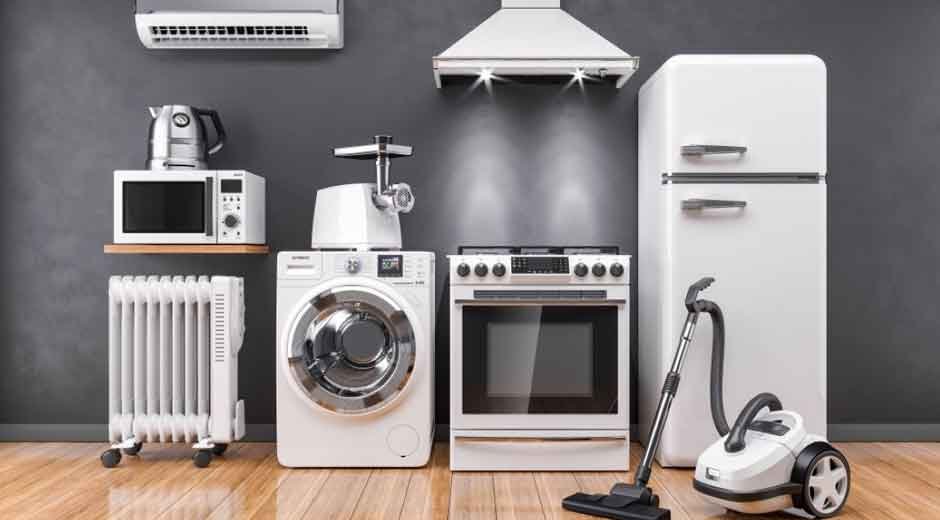
Should a refrigerator or washing machine’s lifespan last decades? You’d think so. But in today’s world with so many smart, digital appliances, the expected lifespan of these devices isn’t as long as it used to be. How many times did your grandparents have to replace their avocado-green fridge? Probably never!
What Do Appliance Lifespans Really Look Like?
The truth is that appliance lifespans are not what they used to be. A refrigerator from the late 1970s is still functioning in someone’s garage, while a fridge built in 2015 is on its last leg. It’s likely there’s more electronics and intricacies involved in newer models, meaning greater chances of repairs. Fridges average anywhere from ten to fifteen years, however, newer brands have a reputation for longevity and maintenance levels play a role. Dishwashers average nine to twelve years lifespan and ranges and ovens can give thirteen to fifteen years if they’re fortunate (and their owners are attentive).
Washers and dryers lie somewhere in the middle with ten to thirteen years with front-loaders getting more repairs needed than top-loaders due to seals and positioning of the door with water availability inside the drum. There’s good news for dryers – for the most part, they’re reliable machines, but there often needs to be repair consideration for the venting system as it can get clogged and become a fire hazard.
When is it Better to Repair Than to Replace?
The easy rule of thumb is that if it costs more than half of what you’d pay for a new appliance, it’s better to replace it. Yet there are caveats. If you have a refrigerator that’s had its compressor replaced after five years of having it, that $600 bill, which seems hefty – suddenly makes sense when the equivalent fridge on the market is $1,200. Buying five more years can be worth it.
Of course, context matters. If you have a ten-year-old appliance nearing the end of its typical lifespan and facing a $300 motor repair that might only extend its life by a year, replacement could be the wiser choice. As a general guideline, once an appliance reaches about 70% of its expected lifespan, it’s worth evaluating whether repair or replacement offers better value. Experts like Appliance Repair Pros of Lafayette can assess the overall condition of your appliance and help you make an informed decision, since they understand that many repairs can restore years of dependable performance.
In addition, older appliances operate far less efficiently than newer ones. Older refrigerators/washers can cost homeowners between $100-$200 more per year than newer Energy Star-rated models. If an older appliance is in dire need of repair costing anything upwards of $400, the operator might as well put the money towards a new machine that’ll pay for itself through energy savings with lower bills over three years or so.
Which Appliances Die Early and Why
Many appliances notoriously fail before their time. Garbage disposals don’t live longer than seven years, rarely functioning after five; they grind constantly and exposed to moisture for long periods. Microwave ovens/units have a life expectancy of about nine years although cheaper models stop functioning anywhere after five; this is typically when the magnetron – the part that emits microwaves, burns out or dies. Refrigerators get ice makers or water dispensers and they ultimately die quicker than standard fridges; more valves, lines and electronics inevitably leak or malfunction, and the ice maker rarely works as well as cutting down on ice cube creation at some point causing extensive service calls; when homeowners deal with water damage on their kitchen floors, they realize too late the ice maker isn’t worth it.
Dishwashers are increasingly getting electronic controls and wash cycles that operate differently than before; these additions boast convenience but they increase failure points – and the heated dry option stresses any piece used for that process more than necessary.
What Causes Appliances to Die Sooner?
Poor maintenance beats everyone to the punch, dryer vents get clogged, forcing the heating element to work hard or putting unnecessary force on its motor until certain failure occurs. Refrigerators get dust build-up on coils they can’t release heat properly unless scrubbed regularly making compressors work overtime until burnout; both situations can occur easily with no additional costs.
Overloading washers and dishwashers does more damage than casual homeowners suspect – stuffing towels or jamming plates causes motor problems; manufacturers design units for specific loads exceeding them consistently will reduce working life.
Hard water, highly mineralized water, plays havoc on appliances too as minerals build up in dishwashers/washers/water heaters which prevents efficiency. Hard water impacts no appliances well, so water softeners might cost money but they save appliances up years in life.
Is There Really a “Best” Brand?
Brands make appliances that may outlast others – but that’s not so easy of a question to answer. For example: a company may make an excellent refrigerator and a mediocre dishwasher. However, the high-priced items using better parts and construction tend to provide better value, sometimes you’re just paying for cosmetics and control accessibility.
The caveat is that brand reliability changes historically over time; what’s in existence now was manufactured with foresight meaning standards may have declined since 2000 just so people could afford them in 2020. Peer reviews will help determine which brands are considered reliable among many, which get repaired more frequently within recent years.
When Should I Stop Repairing?
When you have to repair something within a short window twice. Your appliance is on its last leg, permanent decline. Once you’ve paid for one part, paying for another seems reasonable until factors outside your control say otherwise, rust builds up over time, you see rust actively eating at your dishwasher tub or your refrigerated shelving? That’s bad news whether cosmetic or not, and by this point rust hasn’t changed course with reasonable repair options.
If parts are no longer available to help your appliance continue working, it makes sense to move on, the manufacturer typically complies with seven-to-ten years after discontinuation of production, after that, good luck finding them cheap unless you get lucky digging through eBay.
When Should I Make the Decision?
No one necessarily wants to pay for a major appliance replacement; however, it makes sense sometimes. The most practical approach is to be honest about what was already done to the appliance and how old it is, if it’s worth putting another investment into if it’s relatively new with its first repair; however, if it’s older and nearing its life expectancy, not even half-way, then replacement makes sense, even though it hurts! Ultimately these lifespans help facilitate income better spent instead of keeping appliances long past their potential lives that cost far more down the line.