Introduction
When it comes to updating your home’s exterior, few decisions are as important as choosing the right siding. The material you select impacts not only the overall look of your property but also its protection against the elements, long-term maintenance, and even energy efficiency. For homeowners weighing different options, professional siding services can streamline the process, ensuring your investment pays off for years to come.
The siding you select ultimately affects your home’s curb appeal, weather resistance, and value. Differences in climate, maintenance requirements, and available budget can all play a crucial role in narrowing your list of choices. By exploring popular materials, comparing their strengths and weaknesses, and thinking about installation and efficiency, you can confidently make the choice that’s right for your home and lifestyle.
Understanding Cladding Materials
The market offers a diverse array of siding materials, each bringing unique benefits and challenges. By learning more about the most common options, you can better determine which fits your preferences and local conditions best:
- Vinyl Siding:A favorite among homeowners, vinyl siding is renowned for its affordability and minimal maintenance needs. It’s moisture-resistant and holds up well to varying temperatures, though extreme cold can cause cracking. While color and style options have expanded, its look may not match the authenticity of natural materials.
- Wood Siding:Perfect for classic or rustic homes, wood siding offers natural beauty and warmth. It does, however, demand routine painting or staining to prevent damage from insects or rot. Its sustainability and traditional appearance often outweigh the maintenance for many homeowners.
- Fiber Cement Siding:Designed to mimic the appearance of wood, masonry, or stucco, fiber cement siding boasts exceptional durability, fire resistance, and overall longevity. While heavier and requiring professional installation, its combination of realism and resilience earns high marks for modern homes.
- Metal Siding:Often associated with contemporary architecture, metal siding is strong and resistant to pests, fire, and mildew. Nevertheless, it can dent under impact and often requires supplementary insulation. It’s favored for sleek, modern exteriors and is recyclable at the end of life.
Factors to Consider When Choosing Exterior Paneling
Climate
Every geographic area presents unique weather patterns that influence which siding materials will perform well. For instance, homeowners in humid or rainy climates need moisture-resistant products, while those facing harsh winters benefit from thermally stable siding. To better understand how materials perform in different climates, consult resources that outline material strengths and customer reviews by region. If environmental sustainability is a priority, materials such as fiber cement or responsibly harvested wood can be excellent choices for consideration.
Maintenance
Deciding how much regular maintenance you’re prepared to handle is also key. Vinyl and fiber cement tend to require little more than periodic cleaning, while wood should be inspected annually for signs of wear, rot, or infestation. Some metal sidings need repainting or rust treatment. Think realistically about time and effort to avoid ongoing hassles down the road.
Aesthetics
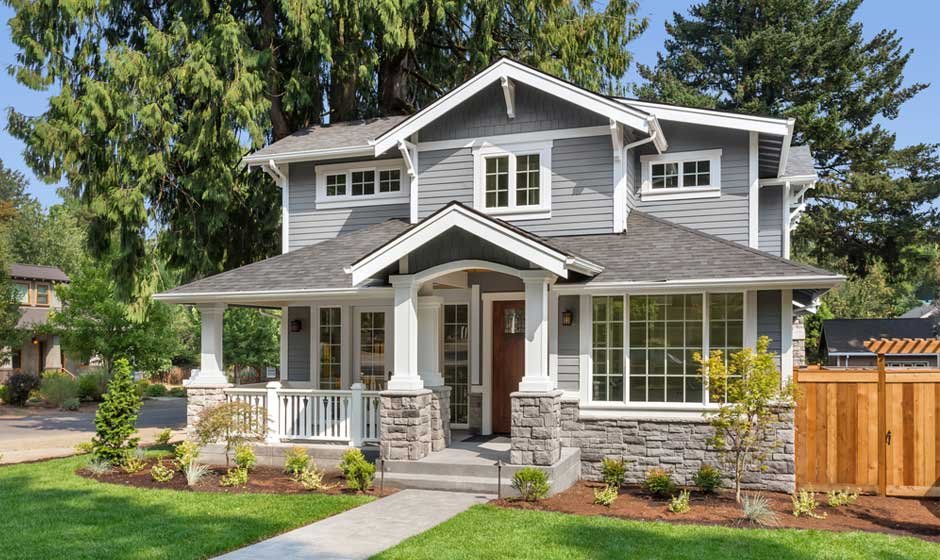
The visual impact of siding can’t be overstated—after all, it forms the foundation of your home’s exterior design. Vinyl and fiber cement can replicate traditional looks, while metal offers modern, bold statements. Consider your home’s architecture, roofing color, trim features, and landscaping to achieve the most harmonious appearance. This careful matching of style and material can both boost your property value and maximize satisfaction with your home’s curb appeal.
Budget
Budgetary concerns are always part of any remodeling discussion. While vinyl is often the most cost-effective upfront, it may not offer the same longevity as fiber cement or metal, which, although higher in initial cost, tend to last longer with lower upkeep. Remember to include installation costs, maintenance, insulation needs, and the potential effect on resale value when estimating total expenses. As Forbes Home points out, even pricier siding investments often deliver better returns over time due to lower energy bills and repairs.
Energy Efficiency
Certain siding materials act as a shield against fluctuating outdoor temperatures, lowering your utility bills and increasing indoor comfort. Insulated vinyl, for example, provides excellent thermal resistance, while fiber cement and engineered wood offer sound insulation and temperature stability. Pay close attention to the material’s R-value rating, which measures thermal resistance, to ensure you’re getting the best bang for your buck on energy efficiency. According to the U.S. Department of Energy, integrating insulation layers beneath the siding installation can further boost home performance during both winter and summer.
Installation Requirements
Installation complexity influences not only upfront costs but also the longevity and warranty of your siding. Vinyl and wood can sometimes be DIY-friendly for experienced remodelers, but heavier materials—such as fiber cement and metal—require professional tools and expertise. Hiring a licensed contractor can prevent costly mistakes, ensure compliance with building codes, and ensure the manufacturer’s warranty remains valid. It’s wise to request references, review portfolios, and check credentials before making any hiring decision.
Consulting a Professional
Even if you’re a home improvement enthusiast, turning to a siding expert can bring peace of mind. Professionals provide valuable insights on suitable materials for your climate, compliance with local regulations, and optimal installation methods. Their knowledge often uncovers important details you may overlook, saving you time, money, and stress. Ultimately, investing in professional advice is an investment in your home’s future value, appearance, and resilience.
Conclusion
Your choice of siding shapes not only your home’s appearance but also its defense against weather, pests, and time. By familiarizing yourself with the strengths and weaknesses of each material, weighing factors like climate, cost, and maintenance, and seeking guidance from trusted experts, you’ll achieve results that enhance your property’s value, comfort, and visual appeal for many years.