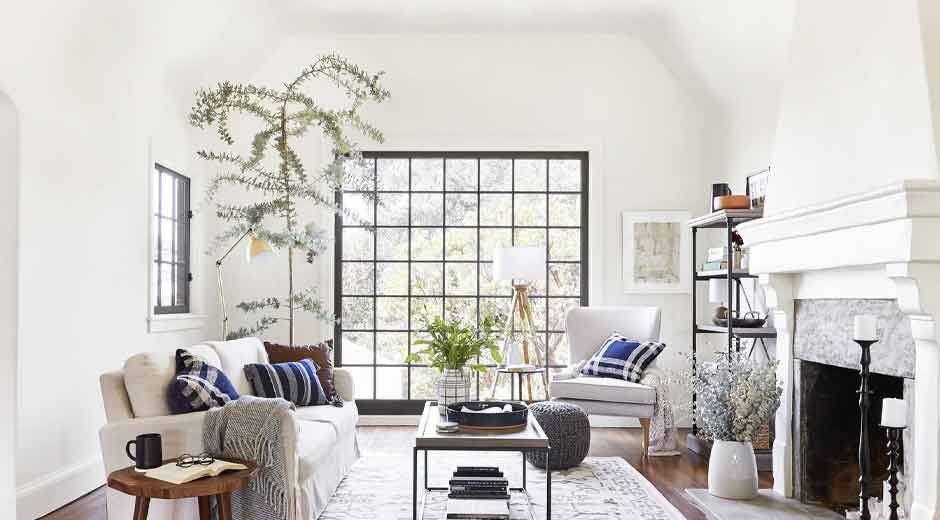
Most living rooms end up in one of two categories: either they’re gorgeous showpieces that nobody actually sits in, or they’re so cluttered with random furniture that they feel chaotic. The sweet spot between these extremes comes down to choosing pieces that serve real purposes without sacrificing comfort or style.
The problem with a lot of living room furniture is that it gets picked for how it looks in a showroom rather than how it’ll function in daily life. That pristine white sofa seems perfect until there are kids, pets, or anyone who occasionally eats snacks while watching TV. The oversized sectional looks inviting at the store but completely overwhelms a smaller room once it’s delivered.
Start With How the Room Gets Used
Before buying a single piece of furniture, it helps to think about what actually happens in the living room. Some families gather there every evening to watch shows together. Others use it mainly for hosting guests or as a quiet reading space. The furniture needs to match these real patterns rather than some idealized version of how the room should be used.
For rooms centered around TV watching and entertainment, the layout naturally revolves around viewing angles and comfort. This means the seating arrangement matters more than having matching end tables or decorative chairs that nobody sits in. A room that gets used for multiple purposes needs more flexibility—maybe seating that can shift around or surfaces that work for both drinks and laptops.
The Entertainment Zone Deserves Real Attention
Here’s where many living rooms either nail it or completely miss the mark. The TV area tends to accumulate gaming consoles, streaming devices, sound systems, remotes, charging cables, and a growing collection of controllers. Without proper storage and organization, this zone quickly becomes the messiest part of the room.
The right entertainment furniture makes a huge difference in keeping things functional. When shopping around, looking at a great selection of tv units helps narrow down what actually fits both the space and storage needs. The key is finding something that handles all the technical gear without looking cluttered or taking up too much visual space.
Height matters more than most people realize when setting up this area. The TV should sit at eye level when seated, which means the unit beneath it can’t be too tall or too short. Most people end up with neck strain because they didn’t consider viewing angles during setup. The unit also needs enough depth to keep cables manageable and prevent everything from looking like a tangled mess.
Seating That People Want to Sit On
The couch or sectional typically eats up the biggest chunk of the budget and the most floor space. This is where comfort needs to win over looks, even though both matter. A sofa that’s gorgeous but uncomfortable doesn’t get used, which defeats the entire purpose of having a living room.
Firmness is subjective, but most people prefer something that offers support without feeling like sitting on a board. Deep seats look luxurious but can be awkward for shorter people whose feet don’t touch the ground. Shallow seats might work better for smaller spaces but can feel cramped during long movie marathons.
Fabric choice matters way more in practice than in theory. Light colors show every spill and stain. Delicate materials don’t hold up to regular use. Performance fabrics have gotten much better in recent years and actually look decent while being far more practical for households where things get spilled or tracked in from outside.
Storage Without the Bulk
Living rooms accumulate things—books, throws, remotes, magazines, charging cables, board games. Without places to put everything, the room starts feeling messy no matter how nice the furniture is. The trick is building in storage that doesn’t make the space feel heavy or closed in.
Coffee tables with shelves or drawers offer a place for remotes and coasters without adding another piece of furniture. Side tables with lower shelves can hold books or decorative items. Entertainment units with closed cabinets hide the clutter while open shelving displays things worth showing off.
The biggest mistake is buying storage furniture that’s too large for the space. A massive bookshelf might hold everything, but it also makes the room feel smaller and darker. Sometimes multiple smaller pieces work better than one giant one, especially in rooms with awkward layouts or limited wall space.
Sizing Furniture to the Room
This seems obvious, but it’s surprisingly easy to get wrong. Furniture looks different in a big showroom than it does in an average living room. That sectional that seemed reasonable in the store might completely dominate the actual space, leaving narrow walkways and making the room feel cramped.
Measurements matter, but so does proportion. Even if a large sofa technically fits, it might throw off the balance of the room. Leaving enough space to walk around furniture comfortably makes the room feel bigger and more functional. Cramming in extra seating that nobody uses just makes everything feel tight.
Scale also affects how the eye moves through the room. A mix of heights—low seating, medium storage pieces, maybe a tall shelf—creates more visual interest than furniture that’s all the same height. But going too varied makes things feel chaotic rather than dynamic.
Making It All Work Together
The most functional living rooms have furniture that serves clear purposes without a lot of excess. Each piece should justify its presence either through usefulness or by making the room genuinely more enjoyable. Decorative chairs that nobody sits in or occasional tables that just collect dust aren’t adding value.
Flexibility helps too. Lightweight side tables can move around as needed. Ottomans work as extra seating, footrests, or even coffee tables with a tray on top. Modular furniture pieces can reconfigure for different situations, whether that’s a big game day gathering or a quiet evening with just a couple of people.
The goal isn’t to create a perfectly styled room that could appear in a magazine. It’s to build a space where people naturally want to spend time, where everything has a place, and where comfort and function come first. When the furniture makes sense for how the room actually gets used, the living room becomes the heart of the home rather than a space that sits empty most of the time.