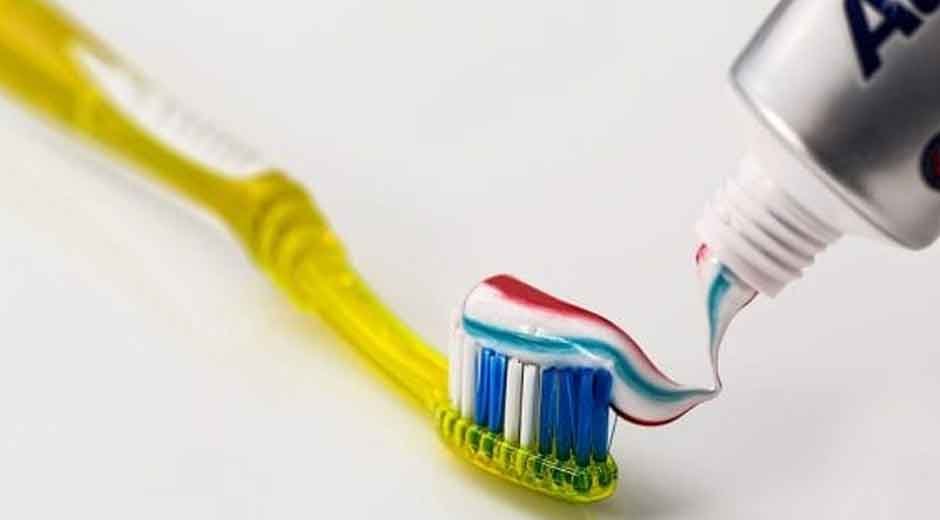
A healthy smile is often associated with consistent brushing and flossing, but these daily routines are only part of the story. Your overall oral health is deeply connected to your everyday lifestyle choices. From the foods you eat to your stress levels, various factors play a significant role in the well-being of your teeth and gums. Understanding this connection is the first step toward building a comprehensive approach to oral hygiene that goes far beyond the bathroom sink.
The Influence of Diet on Your Teeth and Gums
What you consume has a direct and immediate impact on your mouth. While some foods nourish your body and teeth, others can create an environment where dental problems thrive.
Sugary and Acidic Consumption
Foods and drinks high in sugar are a primary cause of tooth decay. When you consume sugar, the bacteria in your mouth produce acids that attack your tooth enamel. Frequent snacking on sugary treats or sipping on sodas and sweetened juices throughout the day constantly exposes your teeth to these acid attacks. Similarly, acidic foods and beverages, such as citrus fruits and sports drinks, can erode enamel directly, making your teeth weaker and more sensitive over time.
Foods That Promote Oral Health
On the other hand, a balanced diet rich in vitamins and minerals can fortify your teeth from the inside out. Foods high in calcium, like dairy products and leafy greens, help strengthen enamel. Crunchy fruits and vegetables, such as apples and carrots, act as natural toothbrushes by stimulating saliva flow, which helps wash away food particles and neutralize harmful acids.
Habits That Harm and Help Your Smile
Your daily habits, both conscious and unconscious, contribute significantly to the state of your oral health. Recognizing and addressing harmful routines is just as important as maintaining good ones.
The Impact of Tobacco and Alcohol
The use of tobacco products is one of the most detrimental lifestyle choices for oral health. It stains teeth, causes bad breath, and dramatically increases the risk of gum disease and oral cancer. Alcohol consumption can also be harmful, as it contributes to dry mouth. A lack of saliva reduces your mouth’s natural defense against decay, as there is less fluid to wash away food debris and neutralize acids.
The Importance of Hydration
Drinking plenty of water throughout the day is a simple yet powerful habit for maintaining a healthy mouth. Water helps rinse away food particles and keeps your saliva levels high. Staying hydrated is essential for preventing dry mouth and supporting your mouth’s natural cleaning processes.
Furthermore, choosing fluoridated tap water provides an extra layer of protection by strengthening your tooth enamel against acid attacks. According to this dentist in Yorktown VA, by making water your primary beverage, you not only flush out lingering sugars and bacteria but also ensure that your gums remain resilient and well-moisturized, which is critical for long-term oral health and fresh breath.
The Connection Between Overall Wellness and Oral Health
Your mouth does not exist in isolation; it is a window into your overall health. Conditions like stress and lack of sleep can manifest in surprising ways that affect your teeth and gums.
Stress and Your Dental Health
High levels of stress can lead to issues like teeth grinding (bruxism), which can wear down, chip, or even break your teeth. Many people are unaware they are doing it, especially if it happens during sleep. Stress can also weaken your immune system, making it harder for your body to fight off the bacteria that cause gum disease. If you suspect you are grinding your teeth, it is wise to consult with a professional. A trusted dentist in Layton can assess the wear on your teeth and recommend solutions, such as a custom nightguard.
The Critical Role of Regular Checkups
Even with excellent at-home care and healthy lifestyle choices, professional dental checkups are non-negotiable. Regular visits allow for professional cleanings that remove hardened plaque that your toothbrush cannot. They also enable early detection of potential issues like cavities, gum disease, or other oral health concerns before they become more serious problems.
By making mindful lifestyle choices every day, you are taking proactive steps to protect your smile for years to come. A holistic approach that includes a balanced diet, healthy habits, and regular professional care is the true key to lasting oral health.