Building a custom home sounds expensive, and honestly, it usually is. But the question most people ask—”how much does it cost?”—doesn’t have a straightforward answer. The reality is that custom home construction involves dozens of variables that can swing your budget by hundreds of thousands of dollars. Understanding where your money actually goes makes the difference between a project that stays on track and one that spirals into financial stress.
Land Costs and Site Preparation
Before anything gets built, there’s the lot to consider. Land prices vary wildly depending on what you’re looking for. A half-acre lot with mountain views might run $150,000 to $400,000, while similar acreage in developing areas could cost $75,000 to $150,000. Desert lots with views command premium prices, and anything near established neighborhoods with good schools will cost more.
Here’s what catches people off guard: raw land often needs preparation work. Grading a sloped desert lot can cost $15,000 to $40,000. If the property needs utility connections, that’s another expense. Running power lines to a remote lot might add $20,000 or more. Well drilling, if city water isn’t available, typically costs $25 to $50 per foot, and you might need to go 300 to 600 feet deep in some areas.
Construction Costs Per Square Foot
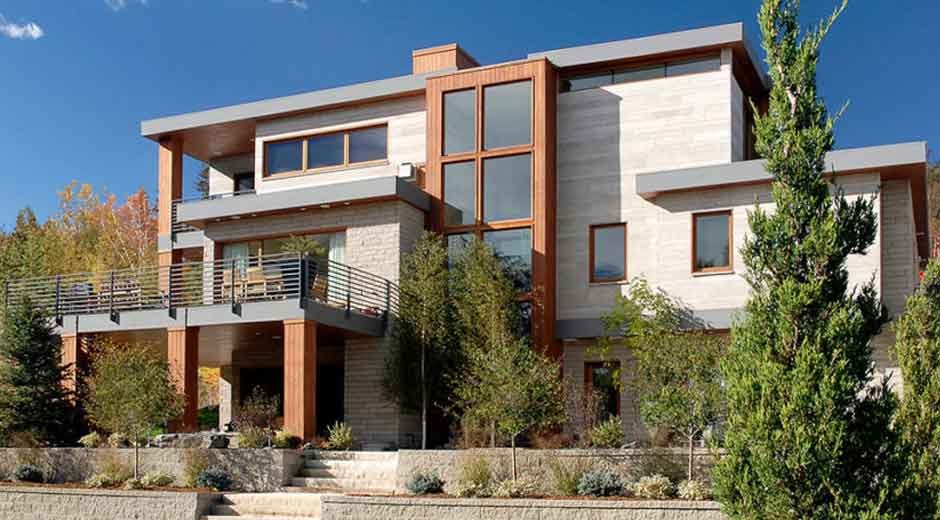
The phrase “cost per square foot” gets thrown around constantly, but it’s almost meaningless without context. Custom home construction typically ranges from $150 to $300+ per square foot, depending on finishes and complexity. A basic 2,000 square foot home might cost $300,000 to build, while a high-end version of the same size could hit $600,000 or more.
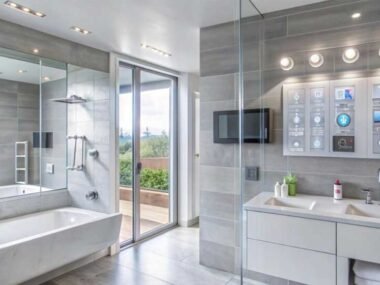
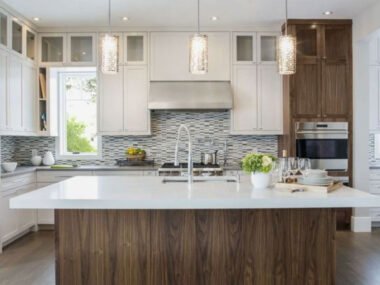
What drives these differences? Pretty much everything. Standard builder-grade materials sit at the lower end. Mid-range finishes—think granite countertops, decent tile, quality fixtures—push costs to $200 to $250 per square foot. Custom cabinets, high-end appliances, luxury flooring, and unique architectural details easily push past $300 per square foot.
Desert Climate Construction Requirements
Building in the Sonoran Desert isn’t the same as building in other climates, and that affects costs. The extreme heat demands specific considerations. Better insulation costs more upfront but saves money long-term. Many Tucson custom home builders focus heavily on energy efficiency because cooling costs can wreck a homeowner’s budget if the house isn’t designed properly.
Desert-appropriate materials matter too. Stucco exteriors work well here and cost $6 to $9 per square foot installed. Tile roofing, which handles heat better than asphalt shingles, runs $10 to $18 per square foot but lasts 50+ years. The foundation needs to account for caliche—a cement-like sediment layer common in desert soil—which can require special excavation equipment and add $5,000 to $15,000 to foundation costs.
Windows designed for desert climates cost more than standard options. Low-E glass with good UV protection might add $8,000 to $20,000 to your window budget compared to basic windows, but the cooling cost savings make it worthwhile.
Design and Architecture Fees
Most people underestimate what design costs. Architectural plans for a custom home typically run 5% to 15% of the construction budget. For a $500,000 build, that’s $25,000 to $75,000 just for plans. More complex designs with unusual features or challenging sites cost more.
Structural engineering adds another $5,000 to $15,000. If you want interior design help selecting finishes, that’s typically billed hourly at $100 to $300 per hour, and a full project might need 40 to 100 hours of design time.
Hidden Costs That Add Up Fast
The problem is that most budgets forget about the extras. Permits and fees typically cost 1% to 3% of construction costs—call it $5,000 to $15,000 for a $500,000 home. Impact fees vary by jurisdiction but can add another $10,000 to $30,000.
Landscaping deserves its own budget line. Desert landscaping with native plants, irrigation, and hardscaping might cost $15,000 to $50,000 depending on lot size. A pool? That’s $40,000 to $100,000+ depending on size and features.
Then there’s the stuff nobody thinks about until it comes up. Temporary power during construction runs $2,000 to $5,000. Dumpsters for construction debris cost $500 to $1,000 per month. Survey work might be $2,000 to $5,000. Soil testing could add another $1,000 to $3,000.
Financing and Carrying Costs
Construction loans work differently than regular mortgages, and they cost more. Interest rates typically run 1% to 2% higher than standard mortgages. You’ll pay interest on the drawn amount during construction—which could be $15,000 to $30,000 over a year-long build.
If you own land before building, you’re paying property taxes on it while construction happens. Insurance costs don’t stop either. Builder’s risk insurance protects the home during construction and typically costs 1% to 4% of the construction budget.
Where People Blow Their Budgets
This is where it gets expensive. Change orders kill budgets faster than anything else. Deciding mid-construction that you want different tile, upgraded fixtures, or an extra window can cost 20% to 40% more than if you’d included it originally. Contractors charge premiums for changes because they disrupt schedules and require rework.
Upgrades are tempting. When you’re already spending $500,000, what’s another $10,000 for nicer cabinets? But those $10,000 decisions add up. Five or six of them and you’ve blown past your budget by $50,000 or $60,000.
Timeline overruns cost money too. Weather delays, material shortages, or subcontractor scheduling issues can extend construction by months. Every extra month means more loan interest, more carrying costs, and potentially more rental payments if you’re waiting to move in.
Realistic Budget Planning
A realistic custom home budget includes a 10% to 20% contingency. For a $500,000 project, that means setting aside $50,000 to $100,000 for unexpected costs. Most projects use at least part of that contingency.
Breaking down a typical $600,000 custom home budget might look something like this: $100,000 for land, $400,000 for construction, $40,000 for design and engineering, $20,000 for permits and fees, $25,000 for landscaping, and $15,000 for contingency and carrying costs.
The numbers vary dramatically based on choices. A 1,500 square foot home with high-end finishes might cost as much as a 2,500 square foot home with builder-grade materials. Size matters, but finishes matter just as much.
Making Your Budget Work
The key to staying on budget is making decisions before construction starts. Lock in your finishes, fixtures, and features during the design phase. Every decision made during construction costs more than the same decision made during planning.
Prioritize what matters most. Maybe you want a gourmet kitchen but don’t care much about fancy light fixtures. Spend where it counts for you and save where it doesn’t.
Custom home construction isn’t cheap, but understanding where costs come from helps manage expectations and avoid financial surprises. The difference between a project that stays on budget and one that doesn’t usually comes down to planning, realistic expectations, and resisting the temptation to change everything halfway through construction.