Creating a safe home is a top priority for every household, but safety needs evolve as we move through different stages of life. From crawling infants to active teenagers and aging seniors, each stage brings unique risks and requires thoughtful modifications. A home that adapts to all ages not only prevents accidents but also fosters peace of mind for family members. Here’s a guide to smart safety modifications that ensure your home is secure for everyone.
Infant and Toddler Safety
The earliest years are often the most accident-prone. Young children are naturally curious, which can lead them into dangerous situations. Home modifications for this stage focus on preventing falls, choking hazards, and accidental ingestion.
- Install Safety Gates: Block off stairs and hazardous areas to prevent falls. Ensure gates are securely mounted and have no gaps that could trap little fingers.
- Secure Furniture: Anchor heavy furniture, like bookshelves and dressers, to the wall to prevent tipping. Children often climb furniture, unaware of the danger.
- Childproof Cabinets and Outlets: Use safety latches on cabinets containing cleaning supplies or medications. Cover unused outlets with childproof plugs.
- Soft Flooring: Consider area rugs or padded mats in play areas to cushion falls.
These modifications may seem small, but they can dramatically reduce injuries and provide a safe space for exploration.
Safety for School-Age Children
As children grow, their independence increases, and so do potential risks. At this stage, the home should support both safety and personal growth.
- Window Guards: Install window guards or restrictors, especially in multi-story homes, to prevent accidental falls.
- Non-Slip Surfaces: Ensure bathroom floors and stairways have non-slip mats or coatings. Wet surfaces are a common cause of injuries.
- Fire Safety Measures: Teach children how to use fire extinguishers and establish a family emergency plan. Smoke detectors should be installed and checked regularly.
- Secure Electronics: With more time spent on computers and gaming consoles, cord management and proper placement prevent trips and electrical hazards.
School-age children are increasingly responsible for themselves, so combining safety modifications with education fosters a culture of awareness.
Teen Safety and Independence
Teenagers often spend more time alone in the home and engage in riskier activities. Safety modifications shift from preventing accidents to minimizing the consequences of independent behavior.
- Safe Kitchen Practices: Teens may start cooking more, so ensure knives and small appliances are stored securely, and consider installing stove knob covers if necessary.
- Technology Safety: Implement parental controls to prevent accidental exposure to online hazards and educate teens about safe device usage.
- Home Security: Teens often host friends, so proper locks, lighting, and surveillance systems can maintain safety without infringing on independence.
At this stage, communication is as crucial as modifications. Teens benefit from understanding why safety measures exist rather than merely complying with rules.
Adult Safety and Efficiency
For adults, home modifications focus on convenience, efficiency, and reducing the risk of everyday accidents.
- Adequate Lighting: Proper illumination in hallways, staircases, and entryways prevents trips and falls. Motion-sensor lights are an efficient solution.
- Ergonomic Adjustments: Organize commonly used items at waist or eye level to avoid repetitive strain or injury.
- Fire and Carbon Monoxide Safety: Regularly inspect detectors and ensure fire extinguishers are easily accessible.
Adults often juggle multiple responsibilities, so safety modifications that also enhance functionality help maintain a smooth and secure household.
Senior Safety Considerations
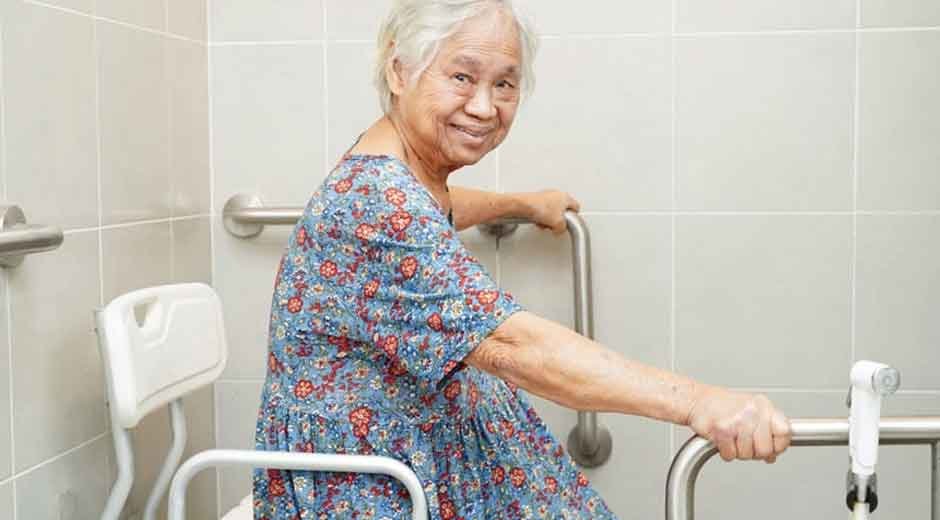
As we age, the risk of falls, slips, and health-related emergencies increases, making it essential to adapt homes to meet both mobility and medical needs. In Las Vegas, NV, homeowners are turning to practical solutions that enhance safety and maintain independence.
- Grab Bars and Handrails: Install sturdy grab bars in bathrooms, stairways, and other areas prone to slipping to provide stability and prevent accidents.
- Non-Slip Flooring: Replace or treat slippery surfaces in kitchens, bathrooms, and entryways to minimize fall risks.
- Step-Free Access and Elevators: Consider ramps, stairlifts, or even a residential home elevator in Las Vegas, NV, to ensure safe, step-free movement between floors.
- Emergency Systems: Equip seniors with wearable alert devices or emergency call buttons to summon help quickly in urgent situations.
Additionally, reorganizing living spaces to reduce the need for bending, reaching, or climbing can make daily activities easier. Thoughtful modifications like these help seniors retain independence while significantly lowering the risk of accidents.
Creating a Multi-Generational Safe Home
Many households now span multiple generations. In these cases, flexibility is key. Using universal design principles—like wide doorways, slip-resistant flooring, lever handles instead of knobs, and adjustable lighting—can accommodate every stage of life. Smart home technologies, including automated lighting, motion sensors, and security systems, add another layer of protection.
Ultimately, a safer home is a happier home. By proactively addressing the evolving needs of each stage of life, you can create an environment that encourages independence, reduces accidents, and brings peace of mind to every family member. Smart safety modifications are not just about prevention—they are about creating a home where everyone can thrive.