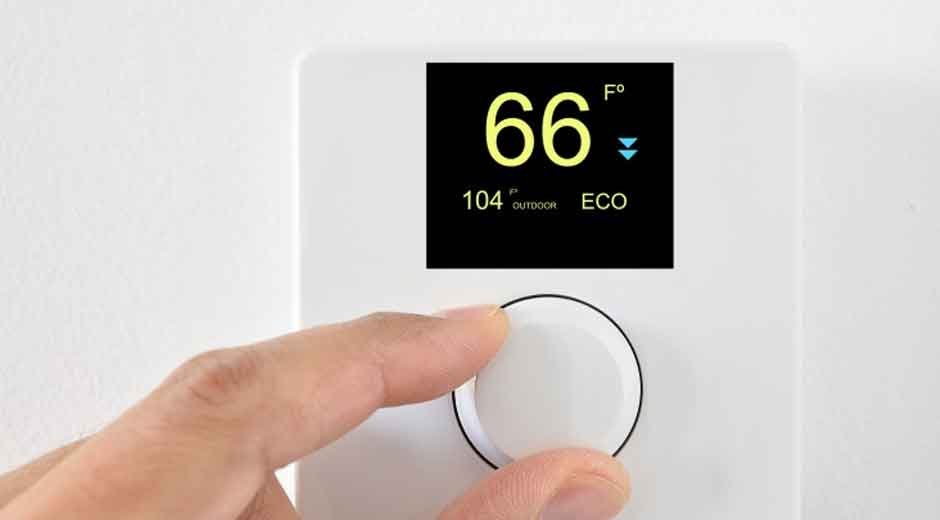
Air conditioning systems are designed to keep homes comfortable during hot weather, but when something goes wrong, the symptoms can often be misleading. Many homeowners assume their air conditioner is failing when, in fact, the real culprit is often the thermostat. Because the thermostat controls when and how the cooling system operates, even minor malfunctions can cause significant confusion. A faulty sensor, wiring issue, or calibration error can make it seem as if the AC unit is struggling, when in fact it’s simply receiving incorrect signals. Understanding this relationship is crucial for preventing unnecessary repairs and ensuring the long-term reliability of the system.
The Hidden Connection Between Thermostat and AC Performance
The thermostat serves as the central communication hub for the air conditioning system. It monitors the indoor temperature and signals the AC to turn on or off based on the set temperature. When the thermostat malfunctions, it can misread the temperature or fail to send accurate commands. This leads to problems such as short cycling, uneven cooling, or complete system shutdowns. In some cases, the air conditioner may appear to be broken even though its mechanical components are fine. Homeowners might hear the system running constantly without achieving the desired temperature or notice that it never turns on at all. These symptoms often mimic common AC repair issues, such as refrigerant leaks or compressor failure, causing unnecessary concern. Diagnosing the problem accurately requires checking both the AC unit and the thermostat to ensure they are working together properly and communicating effectively.
Common Thermostat Malfunctions That Cause Confusion
Several thermostat issues can make it seem like your air conditioner needs repair when it doesn’t. One of the most common issues is an inaccurate temperature reading, which occurs when the thermostat sensor becomes misaligned or affected by nearby heat sources, such as lamps or direct sunlight. Wiring problems or loose connections can also prevent proper communication between the thermostat and the AC system. Another frequent issue is dead or weak batteries, which can interrupt the device’s ability to control the unit consistently. When these problems arise, homeowners often call for professional AC repair in Auburn, WA, only to discover that the thermostat—not the air conditioner—was to blame. Resetting, recalibrating, or replacing the thermostat can instantly restore proper operation, saving time and unnecessary expenses. Regular maintenance helps prevent these issues by ensuring both the thermostat and cooling system are clean, properly wired, and correctly aligned.
When the Thermostat Causes Short Cycling or Constant Running
Short cycling occurs when the air conditioner turns on and off too frequently, preventing it from completing a full cooling cycle. While this often indicates problems such as low refrigerant or a failing compressor, a faulty thermostat can also be a contributing factor. If the thermostat senses incorrect temperatures or sends inconsistent signals, it may prematurely shut off the AC. Conversely, if it fails to register the correct temperature, it might cause the system to run constantly, leading to higher energy bills and excessive wear. Diagnosing these issues involves testing the thermostat’s sensitivity and verifying that it is positioned away from heat sources or drafts. A properly functioning thermostat should trigger smooth, consistent cycles that maintain comfort without overworking the unit. When ignored, thermostat-related short cycling can eventually damage the air conditioner, transforming a minor fix into a costly mechanical problem.
The Role of Calibration and Sensor Placement
Proper thermostat calibration ensures that the system responds accurately to indoor conditions. Even a small calibration error of two or three degrees can result in significant discrepancies in cooling performance. If the thermostat is located near windows, vents, or appliances that emit heat, it can produce false readings that confuse the system. The result is inconsistent cooling or rooms that feel warmer or colder than the thermostat setting. Relocating or recalibrating the thermostat helps restore accurate temperature control. Modern programmable and smart thermostats offer more precise control, allowing users to monitor performance digitally. However, even advanced models require qualified controls for professional setup to ensure proper communication with the AC unit. Maintaining proper calibration and placement prevents unnecessary stress on the cooling system, ensuring comfort throughout the home without wasted energy or frustration.
Recognizing When It’s a Wiring or Compatibility Issue
Not all thermostat problems are mechanical—sometimes the issue lies in electrical connections or mismatched components. When upgrading to a new thermostat, compatibility with the existing HVAC system is crucial. Incorrect wiring can cause signal interruptions, resulting in the air conditioner behaving erratically or failing to respond. In older homes, outdated wiring or corrosion can also interfere with consistent communication. Homeowners may notice symptoms such as the AC running intermittently, temperature fluctuations, or unresponsive controls. Resolving these problems may require rewiring or replacing outdated components to ensure proper voltage and connection integrity. Regular inspections can catch early signs of wear before they develop into major malfunctions. Ensuring that the thermostat and HVAC system are properly synchronized helps maintain efficient operation and prevents confusion between actual AC failures and simple control issues.
Preventing Misdiagnosis Through Regular Maintenance
Many air conditioning problems can be avoided through preventive maintenance. Routine inspections enable technicians to verify thermostat accuracy, inspect wiring connections, and clean sensors. This ensures that the thermostat communicates correctly with the AC system, eliminating potential sources of false alarms. When maintenance is neglected, minor issues like dust buildup or calibration drift can mimic larger mechanical failures. Regular service helps homeowners distinguish between actual AC malfunctions and thermostat errors, saving both time and money. It also extends the lifespan of the cooling system by preventing unnecessary wear caused by improper cycling. A well-maintained thermostat provides consistent comfort and accurate temperature regulation, reducing energy waste and avoiding the frustration of misdiagnosed problems.
Thermostat issues can easily mimic serious air conditioning problems, leading homeowners to believe their system is failing when the cause is much simpler. From faulty sensors and wiring errors to calibration and placement problems, the thermostat plays a crucial role in regulating comfort and efficiency. Regular maintenance, accurate calibration, and proper installation prevent these issues and ensure smooth operation. Understanding how thermostat malfunctions affect AC performance helps avoid unnecessary repairs and expenses. By addressing control-related problems early, homeowners maintain consistent comfort, improve efficiency, and protect their air conditioning systems from needless strain and long-term damage.