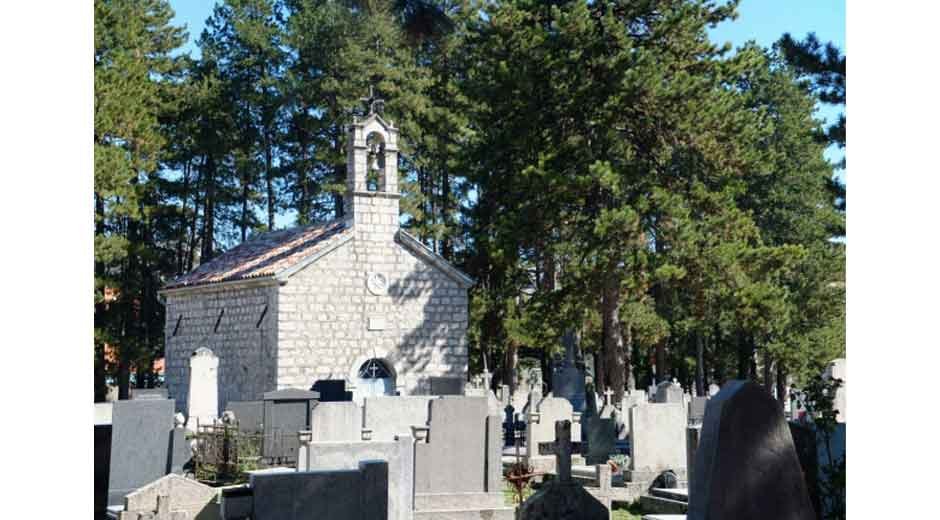
Walk through a cemetery, and you’ll encounter monuments that seem almost otherworldly in their permanence—stone structures standing sentinel through decades of weather, crafted with precision that seems to defy time itself. There’s something almost alien about how these markers endure when everything else fades, their inscriptions still legible when memories have dimmed.
Choosing funeral services and headstones represents one of the most significant decisions families make during their most difficult moments. These choices honor your loved one’s memory while providing closure for those left behind.
Understanding Different Types of Funerals
Traditional Funeral Services
Traditional funerals follow established patterns providing structure during chaotic emotional periods.
Religious ceremonies conducted according to faith traditions provide spiritual comfort and familiar rituals. Different faiths have specific practices—Catholic masses, Jewish traditions, Protestant services, or Endearing Funeral ceremonies following Buddhist customs all offer structured frameworks guiding families through grief while honoring religious beliefs.
Wakes or viewings allow community members to pay respects, share memories, and support the bereaved family. These gatherings serve important social and emotional functions, acknowledging loss while celebrating life.
Processions to burial sites provide ceremonial transition from service to final resting place, allowing community participation in the farewell.
Benefits of traditional services include clear structure reducing decision overwhelm, community support gathering around shared rituals, and time-honored practices providing continuity connecting present grief to universal human experiences across generations.
Cremation Services
Cremation has grown increasingly common, offering flexibility that traditional burial doesn’t provide.
Cost-effectiveness often makes cremation attractive—generally less expensive than traditional burial due to eliminated costs for burial plots, caskets, and some cemetery fees.
Flexibility in memorial timing allows families to plan services when convenient rather than within the narrow timeframe burial requires. Ashes can be held indefinitely, allowing gatherings when distant family can attend.
Memorial options expand dramatically with cremation. Ashes might be:
- Scattered in meaningful locations (with appropriate permissions)
- Divided among family members in smaller urns
- Incorporated into jewelry or memorial objects
- Interred in columbariums or buried in family plots
- Used in memorial reefs or other innovative tributes
Ceremonial integration allows combining cremation with full memorial services indistinguishable from traditional funerals, or simpler gatherings reflecting personal preferences.
Green or Eco-Friendly Funerals
Environmental consciousness increasingly influences end-of-life choices.
Sustainable practices might include:
- Biodegradable caskets or shrouds
- Natural burial in conservation areas
- Skipping embalming chemicals
- Minimal resource use in services and memorials
Benefits for environmentally conscious families include alignment with values held during life, reduced environmental impact, often lower costs, and contribution to conservation efforts when burial occurs in protected natural areas.
Choosing a Funeral Service Provider
Researching Local Funeral Homes
Not all funeral homes offer identical services or quality. Research ensures you find providers meeting your needs.
Licensing verification confirms the funeral home operates legally with required certifications and oversight. This protects families from unscrupulous operators.
Reviews and testimonials from previous clients reveal how funeral homes treat families during vulnerable times. Consistent feedback about compassion, professionalism, or conversely, problems provides valuable insight.
Service offerings vary between providers. Some specialize in traditional services while others accommodate diverse preferences including green burials, non-religious ceremonies, or cultural-specific practices.
Comparison shopping feels uncomfortable when grieving, but prices and services vary substantially. Obtaining quotes from multiple providers ensures you’re making informed financial decisions.
Evaluating Services and Facilities
Beyond basic offerings, quality of facilities and staff significantly impacts experience.
Physical facilities including chapels for services, reception areas for gatherings, and comfortable spaces for private family time should be clean, well-maintained, and appropriately dignified.
Transportation capability ensures loved ones are moved safely and respectfully between locations—homes, funeral facilities, religious sites, cemeteries.
Staff professionalism matters enormously. Funeral directors and staff should demonstrate:
- Empathy and compassion without being cloying
- Clear communication about options and costs
- Responsiveness to questions and concerns
- Respect for cultural and religious preferences
- Patience with families making difficult decisions
Flexibility in accommodating special requests, unusual timing, or non-traditional preferences indicates providers who genuinely serve families rather than enforcing rigid procedures.
Selecting the Right Headstone
Material and Design Options
Headstones serve as permanent memorials, making material and design selection important decisions.
Material choices each offer distinct characteristics:
Granite provides exceptional durability, weather resistance, and accepts fine detail in engravings. Available in various colors, it represents the most popular headstone material for good reason.
Marble offers classic beauty with white or colored options. While softer than granite (more prone to weathering and staining), many find its aesthetic worth the trade-off.
Bronze creates distinctive memorials often mounted on granite bases. Develops natural patina over time that many find appealing.
Cost-effective alternatives including quality granite or composite materials provide lasting memorials at accessible prices without sacrificing dignity or durability.
Style options include:
Upright monuments standing vertically, providing prominent presence and substantial engraving space.
Flat markers lying flush with ground, often required in certain cemetery sections and generally less expensive than upright styles.
Slant markers angled between flat and upright, offering compromise in visibility and cost.
Custom designs incorporating unique shapes, multiple materials, or artistic elements creating truly personalized memorials.
Personalization and Engraving
Headstones communicate who someone was and what they meant to others. Personalization creates meaningful memorials.
Inscriptions typically include names, dates, and epitaphs. Epitaphs might be:
- Religious verses or prayers
- Favorite quotes or sayings
- Personal messages from family
- Brief descriptions of character or accomplishments
Photographs etched into stone preserve visual memory, though durability varies by technique and material.
Symbols representing faith, hobbies, professions, or personality add visual interest while conveying meaning:
- Religious symbols (crosses, Stars of David, Islamic crescents)
- Fraternal or military emblems
- Nature elements (flowers, trees, animals)
- Personal interests (musical notes, sports equipment, books)
Balance considerations include aesthetics creating beautiful memorials, durability ensuring inscriptions remain legible decades hence, and maintenance requirements for long-term care.
Budgeting and Financial Planning
Estimating Funeral Costs
Funeral expenses vary dramatically based on choices made. Understanding cost components helps with realistic budgeting.
Service fees from funeral homes cover professional services, facility use, transportation, staff, and coordination. These represent substantial portions of total costs.
Caskets or urns range from simple affordable options to elaborate expensive selections. Price doesn’t reflect dignity—beautiful farewells occur across all budget levels.
Cemetery costs include plots, opening/closing graves, and ongoing maintenance fees. These vary significantly by location and cemetery type.
Headstone expenses depend on size, materials, and customization. Options exist across all price ranges— cheap headstones south auckland providers and similar services in other locations offer quality memorials at accessible prices, proving that meaningful tributes don’t require enormous expense. Affordable doesn’t mean undignified; many beautiful, durable headstones are available at modest costs.
Additional expenses might include flowers, death certificates, obituaries, reception catering, or memorial programs.
Insurance and Pre-Payment Plans
Financial preparation eases burden on surviving family members.
Funeral insurance specifically covers end-of-life expenses, ensuring funds are available when needed without depleting savings or burdening family.
Pre-need arrangements allow individuals to plan and pre-pay their own funerals, locking in prices and ensuring wishes are known. This gift to family removes decision-making burden during grief.
Payment plans offered by many funeral homes allow spreading costs over time rather than requiring immediate full payment during crisis.
Advance planning even without pre-payment—documenting preferences, researching options, discussing wishes with family—dramatically eases the process when death occurs.
Location and Cemetery Considerations
Plot Selection
Where someone is buried carries symbolic and practical significance.
Accessibility matters for family members who will visit. Consider proximity to family homes, ease of reaching the site, and physical accessibility for those with mobility limitations.
Location significance might draw families to specific cemeteries—where other family members rest, locations meaningful during life, or places with particular beauty or serenity.
Cemetery rules vary dramatically regarding allowed headstone styles, sizes, and decorations. Verify regulations before purchasing memorials to ensure compliance.
Family plots allow multiple generations resting together. Consider future needs—will there be space for spouses or other family members?
Regulations and Permissions
Cemeteries maintain standards ensuring uniform appearance and preventing problems.
Size restrictions often limit headstone dimensions, especially height for upright monuments.
Style requirements might mandate specific types (flat markers only in some sections) or prohibit certain designs.
Material specifications occasionally restrict what materials are permitted.
Installation procedures often require using cemetery-approved contractors or scheduling through cemetery administration.
Working cooperatively with cemetery authorities ensures compliance while still creating meaningful memorials. Understanding rules before purchasing headstones prevents disappointing surprises.
Planning the Ceremony and Memorial
Personalizing the Service
Funerals honoring individual lives provide more meaningful comfort than generic ceremonies.
Music selections reflecting your loved one’s preferences create emotional resonance. This might include favorite songs, hymns with personal meaning, or performances by talented family or friends.
Readings from religious texts, poetry, literature, or personal writings share meaningful words providing comfort and insight into who your loved one was.
Rituals both traditional and personal create structure and meaning. Religious rites provide familiar comfort, while personal rituals (favorite activities, symbolic gestures, community traditions) honor individual uniqueness.
Speakers sharing memories, accomplishments, and character qualities paint portraits of full lives, celebrating who people were beyond dates on headstones.
Guest Management and Logistics
Practical planning ensures ceremonies proceed smoothly despite emotional difficulty.
Invitations through obituaries, personal contact, or social media inform community members about service details.
Transportation considerations include ensuring elderly or distant family can reach services, coordinating parking at venues, and arranging processional logistics.
Accommodation for out-of-town guests might require arranging lodging blocks or providing information about nearby options.
Coordination with funeral homes manages these logistics, allowing family to focus on emotional needs rather than operational details.
Post-Funeral Arrangements and Memorial Maintenance
Ongoing Care of Headstones
Memorials require maintenance preserving their dignity and legibility over time.
Cleaning periodically removes dirt, biological growth, and staining. Appropriate methods vary by material—harsh chemicals damage some stones while gentle cleaning proves insufficient for others. Many families find satisfaction in personally caring for memorials, while others prefer professional services.
Inspection for damage, settling, or deterioration allows addressing problems before they worsen. Even quality headstones eventually need restoration as decades pass.
Landscaping around markers, planting flowers, or maintaining grass contributes to peaceful, well-kept appearance honoring those buried there.
Long-Term Memorial Options
Beyond headstones, various options create lasting tributes.
Additional elements might include:
- Benches near grave sites for visitors
- Memorial plaques in churches, parks, or institutions
- Commemorative gardens or trees
- Scholarship funds or charitable donations in their name
Anniversary observances on birthdays, death anniversaries, or holidays maintain connection while allowing family gatherings around shared memory.
Supporting Emotional Wellbeing During the Process
Grief Support Resources
Navigating funeral planning while grieving requires support beyond logistical help.
Professional counseling with grief therapists provides tools for processing loss and managing overwhelming emotions.
Support groups connect bereaved individuals with others experiencing similar losses, reducing isolation while normalizing grief experiences.
Online resources including forums, articles, and virtual support expand access to help regardless of location or schedule.
Family involvement in planning shares burden while creating opportunities for collective healing through shared decision-making honoring your loved one.
Coping Strategies
Self-care during crisis periods protects wellbeing despite emotional demands.
Mindfulness practices including meditation or breathing exercises provide grounding when emotions threaten to overwhelm.
Journaling processes feelings and preserves memories that might otherwise fade.
Community support from friends, faith communities, or neighbors provides practical help and emotional comfort.
Balance between honoring grief and managing logistics prevents either from dominating to the exclusion of necessary attention to the other.
Conclusion
Choosing funeral services and headstones thoughtfully ensures your loved one receives respectful, personalized farewell while managing financial and practical realities families face during difficult times. The options explored here, from traditional services to cremation flexibility, from elaborate monuments to affordable yet dignified memorials, demonstrate that meaningful tributes exist across all budget levels and preference variations.
The key insight is that love, not expense, creates meaningful memorials. Affordable headstones honor loved ones as effectively as costly alternatives when chosen thoughtfully and maintained with care. What matters is that choices reflect genuine regard for the person being remembered and serve the emotional needs of those who grieve.
The stone memorials we erect aren’t just markers, they’re physical manifestations of the very human need to assert that lives mattered, that love persists, and that memory transcends the boundary separating the living from those who’ve completed their journeys. When we choose funeral services and memorials with care, we’re participating in practices as old as humanity itself, adding our voices to the eternal conversation about what it means to love, to lose, and to honor those who shaped our lives.