Roofing choices directly affect household budgets for decades. Traditional materials demand frequent repairs and regular cleaning interventions. Homeowners spend considerable time and money maintaining conventional roof systems. Smart material selection eliminates many ongoing expenses associated with roof ownership.
Low-maintenance roofing options reduce both labor costs and material replacement needs significantly. Modern alternatives require minimal intervention while delivering superior performance across multiple decades. This blog explores how strategic roofing decisions create substantial financial savings through reduced maintenance demands.
Elimination of Regular Cleaning Requirements
Conventional roofing attracts debris, moss, and algae growth that demands seasonal cleaning interventions. Professional cleaning services charge hundreds of dollars annually for safe roof maintenance. Power washing and chemical treatments become necessary expenses for traditional materials.
Self-cleaning properties in advanced roofing eliminate these recurring costs entirely. Smooth surfaces shed debris naturally during rain events without manual intervention. Weather patterns handle cleaning automatically, removing the need for expensive professional services or risky DIY attempts.
Reduced Frequency of Repair Interventions
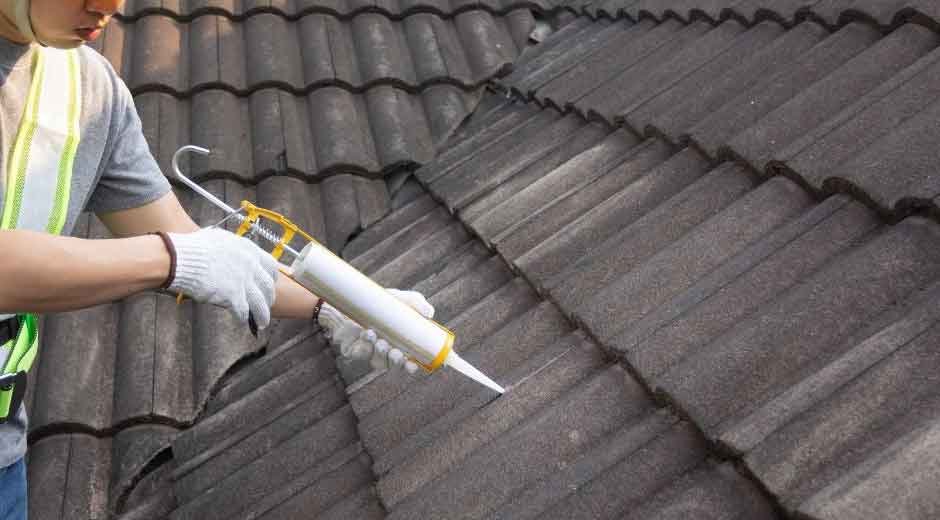
Traditional shingles crack, curl, and lose adhesion after exposure to weather cycles. Each storm season brings potential repair needs that accumulate into expensive service calls. Frequent small repairs often cost more than single larger interventions over time.
Durable alternatives withstand weather impacts without developing common failure points seen in conventional materials. Low-maintenance roofing resists cracking, splitting, and granule loss that plague standard shingle systems. Fewer repair calls translate directly into reduced maintenance budgets for property owners.
Extended Replacement Cycles Save Installation Costs
Standard roofing materials require replacement every 15-20 years, depending on local weather conditions. Multiple replacement cycles during home ownership create significant capital expenses. Installation labor costs have increased substantially, making frequent replacements financially burdensome.
Premium roofing options extend replacement intervals to 40-60 years through superior material engineering. Single installations serve multiple decades without the need for complete system replacement. Extended service life spreads initial investment costs across longer periods, improving overall financial returns.
Weather Resistance Prevents Emergency Expenses
Storm damage creates unexpected repair bills that strain household budgets without warning. Emergency services charge premium rates for urgent interventions during severe weather events. Temporary repairs often require follow-up work that multiplies total project costs.
Superior weather resistance prevents emergency situations that generate expensive urgent repair needs. Impact-resistant materials maintain integrity during hailstorms common throughout many regions. Wind resistance prevents uplift damage that frequently affects lighter roofing materials. Several protection advantages include:
- Hail impact resistance that prevents denting and cracking
- Wind uplift resistance rated for severe weather conditions
- Fire resistance that reduces ignition risks from airborne embers
- UV stability that prevents material breakdown from sun exposure
- Thermal shock resistance during rapid temperature changes
These protective qualities eliminate many emergency repair scenarios that create unexpected expenses for homeowners.
Simplified Maintenance Inspection Procedures
Complex roofing systems require detailed annual inspections to identify developing problems early. Professional inspection services charge fees for thorough evaluations of traditional roofing components. Multiple system elements need individual assessment during standard maintenance protocols.
Streamlined designs reduce inspection complexity and associated professional service costs significantly. Simple construction eliminates numerous potential failure points that require monitoring. Property owners can perform basic visual checks without expensive professional evaluations instead of hiring specialists repeatedly.
Insurance Premium Benefits Through Risk Reduction
Insurance companies recognize superior roofing materials through premium discounts for reduced claim risks. Fire resistance, impact tolerance, and wind ratings influence insurance cost calculations. Premium reductions accumulate substantial savings over policy periods.
Lower claim frequency from durable roofing materials benefits both homeowners and insurance providers. Reduced risk profiles qualify properties for better coverage rates. Long-term insurance savings often offset initial material cost differences between roofing options.
Low-maintenance roofing delivers measurable financial benefits through multiple cost reduction mechanisms working simultaneously. Eliminating cleaning expenses, reducing repair frequency, extending replacement cycles, and simplifying maintenance procedures create substantial savings over time. Smart roofing investments pay dividends through decreased operational costs and reduced emergency expenses throughout ownership periods.