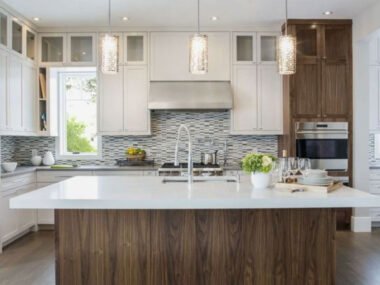
A kitchen should support your routine—not interrupt it. Yet, many older kitchens do just the opposite. They may have served their purpose when they were first built, but over time, what once felt functional begins to feel restrictive. Outdated layouts, limited storage, poor lighting, and worn-out surfaces all contribute to a space that no longer fits the way you live or cook today.
When a kitchen starts to feel more like a barrier than a resource, it might not just be about appearance. It’s often a sign that the space needs a complete rethinking—not just a cosmetic upgrade, but a well-planned remodel that improves how everything works together.
The Functional Problems You Stop Noticing
One of the main reasons an older kitchen becomes frustrating is that the issues build up gradually. A broken drawer here, poor lighting there, limited counter space—none of these seem urgent on their own. But taken together, they slowly increase the time and effort it takes to complete simple tasks like cooking dinner, unloading groceries, or cleaning up after a meal.
Older kitchens often reflect the habits and technologies of a different time. For instance, small work triangles designed for one cook don’t serve modern families where multiple people move through the kitchen at once. Narrow walkways, poorly placed appliances, and low cabinets all contribute to unnecessary clutter and delay.
Storage That Doesn’t Keep Up
Storage issues are another major reason older kitchens slow people down. Shallow drawers, fixed shelves, and a lack of pull-outs make it difficult to organize cookware or reach what you need without constant bending, digging, or rearranging. What worked twenty years ago isn’t always suited to today’s appliances, bulk groceries, or meal prep habits.
Instead of working around these limitations, a remodel allows you to design storage around how you actually use the space. Deep drawers for pots and pans, tall pantry cabinets, built-in dividers, and hidden compartments all help minimize wasted motion and make your kitchen work smarter.
Why Surface Changes Aren’t Always Enough
Replacing a faucet or painting cabinets may offer temporary improvements, but these quick fixes rarely address the underlying problems. When issues like poor layout, inefficient storage, and outdated infrastructure are slowing you down, small updates won’t solve the core problem.
That’s when it makes sense to explore a full remodel. By taking a broader look at how the space functions—and how it could be improved—you’re not just updating what you see. You’re improving how everything works.
For homeowners who want to rethink the way their kitchen supports their lifestyle, working with experienced professionals is key. Companies that specialize in thoughtful Kitchen Remodel projects offer the expertise needed to transform outdated spaces into efficient, modern environments that make daily tasks easier—not harder.
When Appearance Affects Mood and Use
It’s not just the layout or cabinets that affect how a kitchen functions. Outdated finishes, worn materials, and poor lighting can quietly impact how often you use the space—or how much you enjoy being in it.
Faded laminate, chipped counters, and old tile flooring aren’t just aesthetic concerns. They can reflect deeper wear-and-tear that makes the space harder to clean or maintain. Bad lighting, especially, makes meal prep more difficult and less pleasant, while also increasing the chances of kitchen accidents.
Sometimes, homeowners don’t realize how much the look and feel of their kitchen is affecting them until they’ve lived with something better. A modern kitchen that feels bright, clean, and tailored to your needs isn’t just easier to work in—it’s more welcoming. It becomes a space you want to use, not one you’re trying to avoid.
How a Remodel Changes Daily Life
A well-designed kitchen doesn’t just look better. It changes how you cook, clean, store, and even connect with others. When you remove the small frustrations—awkward corners, clunky drawers, hard-to-reach shelves—you make room for a smoother experience.
You gain counter space where it’s needed most. You can move freely without constantly bumping into things. Cleanup becomes quicker. Cooking becomes more efficient. Even mealtime feels different when the space supports, rather than hinders, your efforts.
A remodel is not about overhauling everything for the sake of appearances. It’s about making your space align with how you live today. Whether that means adding seating, upgrading appliances, or opening up the layout, the right changes make the entire home feel more functional.
Key Takeaways
If your kitchen feels like it’s holding you back, it’s probably not your imagination. Over time, outdated design and wear can make the simplest tasks take longer than they should. A thoughtful remodel solves more than just cosmetic issues—it gives you a space that works better, feels better, and fits your life now.
Whether you cook every night or only occasionally, your kitchen should support you—not slow you down. If it’s no longer doing that, it might be time to start planning what comes next.